The Youngest Faces of War: Five Places That Reveal a Different History of Europe's World Wars
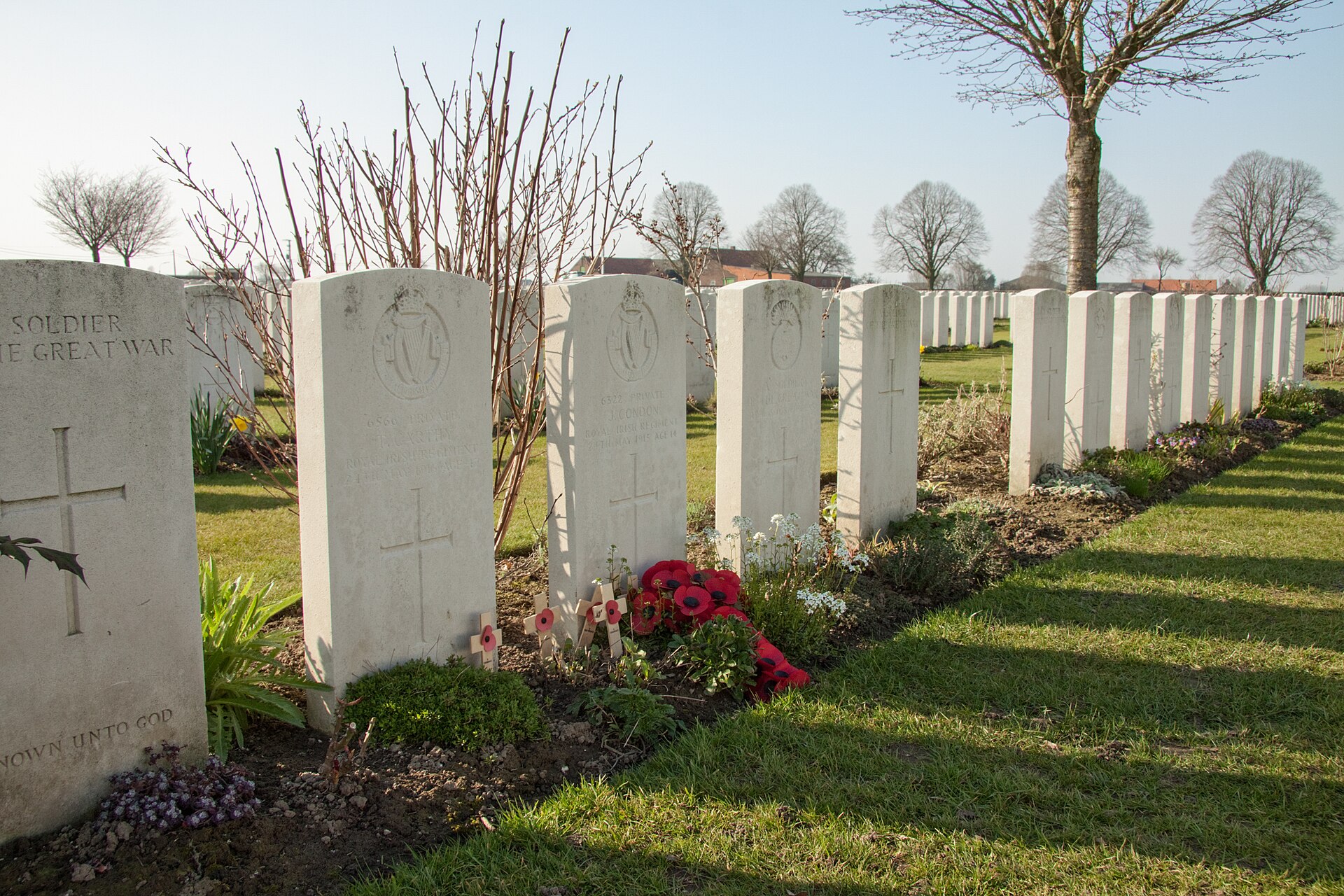
Header: Rows of Commonwealth War Graves Commission headstones at Poelcapelle British Cemetery in Belgium. Cemeteries like this preserve not only the memory of the First World War, but also the individual stories that continue to shape how visitors understand the conflict. Photograph by Wernervc (CC BY-SA 4.0).
There is something profoundly unsettling about reading a war memorial and seeing an age that matches your students.
Fourteen or fifteen.
Or eight.
When we travel through Europe’s battlefields, cemeteries, and memorials to explore the history of the World Wars, we expect trenches, generals, maps, and treaties. What we often do not expect is to encounter children.
Yet across Europe, the memorial landscapes of the early twentieth century preserve a quieter story - one of young lives drawn into conflicts they did not create and scarcely had the chance to understand.
A battlefield can help us trace the movement of armies. A museum can explain weapons, decisions, and political consequences. But sometimes the most enduring lesson waits somewhere much smaller.
A single grave, a faded photograph, or an age carved into stone can become the moment when statistics acquire names, and names become people.
Valentine Joseph Strudwick
Age 15 – Essex Farm Commonwealth War Graves Cemetery, Belgium
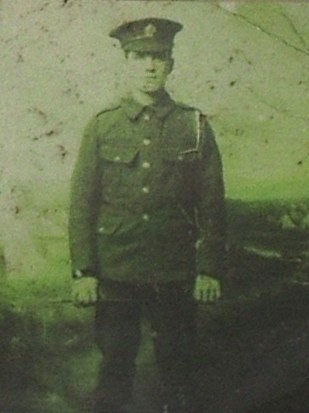
Valentine Joseph Strudwick (1900-1916) in British Army uniform before his death on the Western Front at the age of fifteen. Today, he is buried at Essex Farm Commonwealth War Graves Cemetery near Ypres, Belgium, where his grave has become one of the most visited by those seeking to understand the human cost of the First World War. (Public domain).
Essex Farm Commonwealth War Graves Cemetery stands near the remains of a wartime dressing station just outside Ypres.
The site is closely associated with Canadian physician John McCrae, who is believed to have written “In Flanders Fields” nearby. Visitors come to see the concrete medical shelters, walk among the headstones, and better understand the conditions in which wounded soldiers were treated during the First World War.
Then they encounter the grave of Valentine Joseph Strudwick.
Strudwick was born in Surrey in 1900. Like many underage recruits, he enlisted before he was legally old enough to serve. He was killed on the Western Front in January 1916 at fifteen years old.
The number is difficult to absorb. It is easier to understand the First World War through casualty totals, military formations, and arrows drawn across maps. Those tools create necessary distance. The headstone removes that distance.
Strudwick’s grave does not explain the military decisions that brought him to Belgium, the pressures that led him to enlist, or the system that allowed a boy his age to enter the army. It records only a name, a regiment, a date, and an age, yet those few details are enough to collapse much of the distance created by maps and casualty figures.
For educators and historically minded travelers, Essex Farm offers a powerful lesson in how a relatively small site can illuminate the enormous human cost of the Western Front. The remains of the dressing station explain how armies attempted to save lives, while Strudwick’s grave reminds us how young some of those lives were.
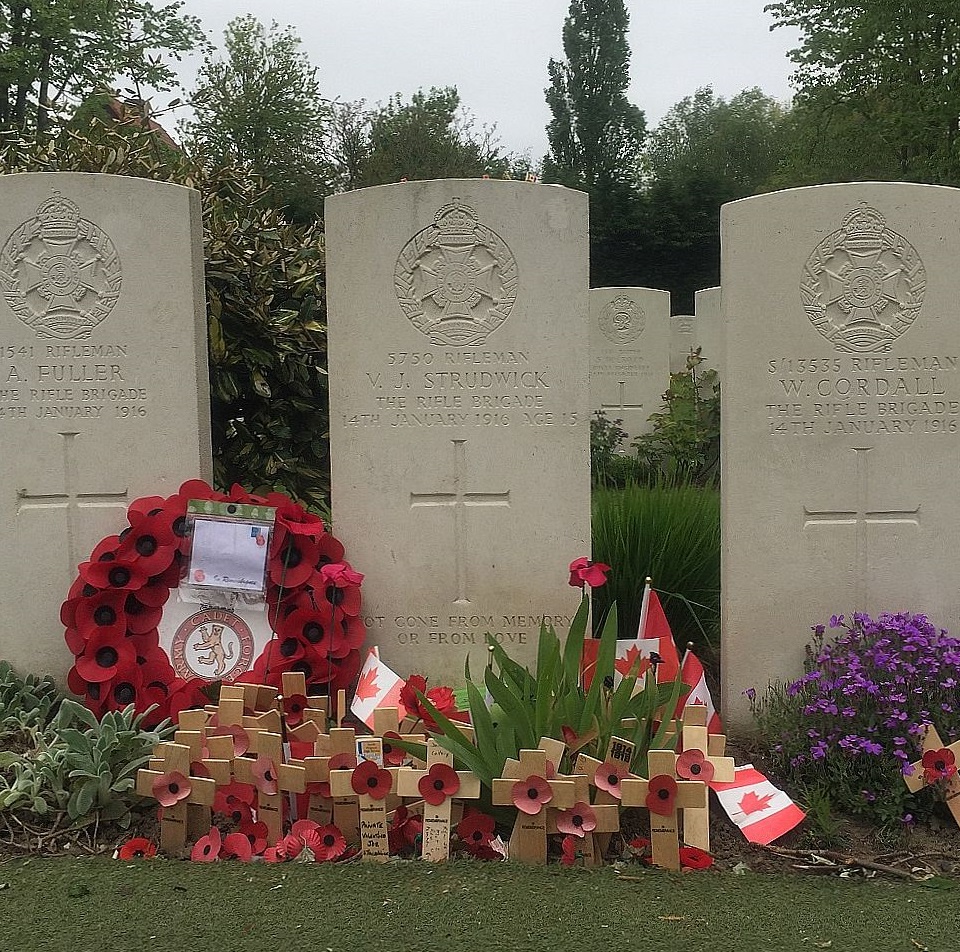
The grave of Valentine Joseph Strudwick at Essex Farm Commonwealth War Graves Cemetery near Ypres, Belgium. Strudwick was just fifteen years old when he was killed on the Western Front in January 1916, making his grave one of the most visited among those commemorating the youngest soldiers of the First World War. Photograph by ViennaUK (CC BY-SA 4.0).
John Condon
Age 14? – Poelcapelle British Cemetery, Belgium
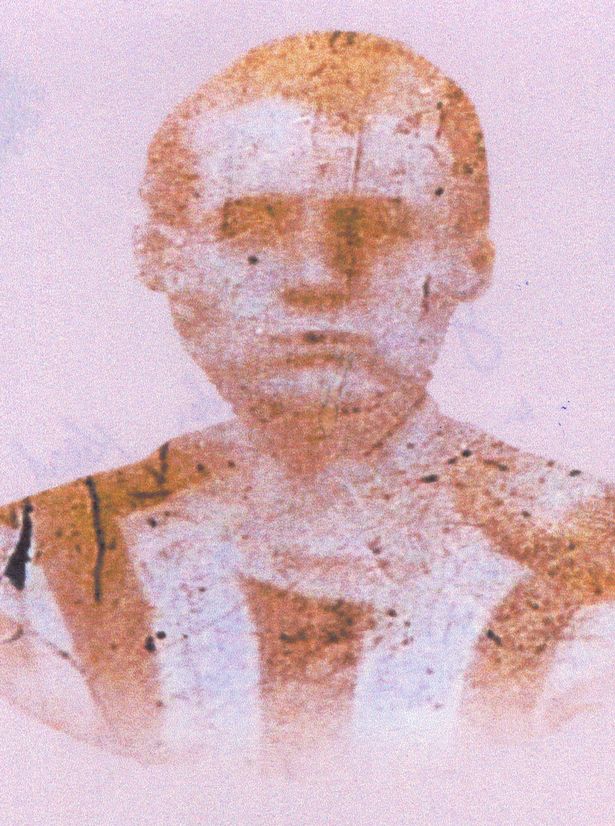
Private John Condon (1896-1915) before the First World War. For decades, Condon was believed to have been the youngest Allied soldier killed during the conflict, although later archival research suggests he may have been older than fourteen when he died. (Public domain).
At Poelcapelle British Cemetery, one headstone attracts particular attention.
Its inscription identifies Private John Condon of the Royal Irish Regiment and records his age as fourteen.
For decades, he was widely remembered as the youngest Allied serviceman killed during the First World War. His grave became a destination for visitors, school groups, dignitaries, and those wishing to pay tribute to the conflict’s youngest known soldier.
The story later became more complicated. Archival research raised questions about Condon’s identity, age, and whether the soldier buried beneath the headstone was the fourteen-year-old described in popular accounts.
That uncertainty does not make the grave less meaningful. It makes it meaningful in a different way.
Poelcapelle allows visitors to see how historical memory develops. An inscription once accepted as fact became part of public remembrance. Later research challenged the familiar version, but the older story did not simply disappear. It had already shaped the way people understood the site.
The grave therefore preserves two histories at once: the story of a soldier who died during the First World War and the story later generations told about him. For educators, that makes Poelcapelle especially valuable because it demonstrates that history is not only a body of settled facts, but also a process of questioning evidence, revisiting assumptions, and understanding why certain stories become more prominent than others.
The headstone offers no indication of that debate. It states an age with complete certainty, and visitors inevitably leave with questions.
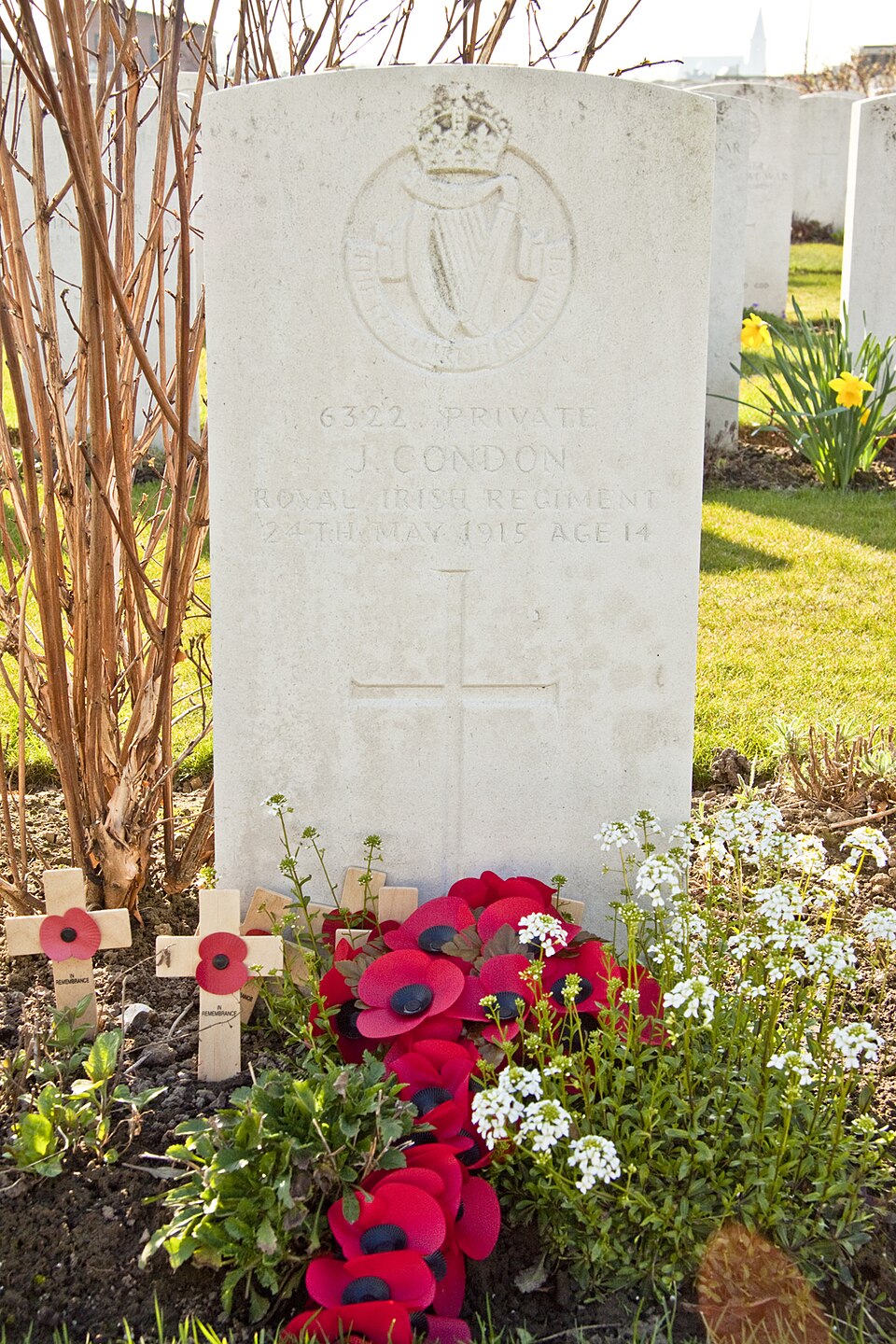
The headstone of Private John Condon at Poelcapelle British Cemetery in Belgium. The inscription records Condon's age as fourteen, a claim that stood for decades before later archival research suggested he may have been older. Today, the grave remains one of the most visited in the cemetery and serves as a reminder of both the human cost of the First World War and the evolving nature of historical research. Photograph by Wernervc (CC BY-SA 3.0).
Momčilo Gavrić
Age 8 – Belgrade New Cemetery, Serbia
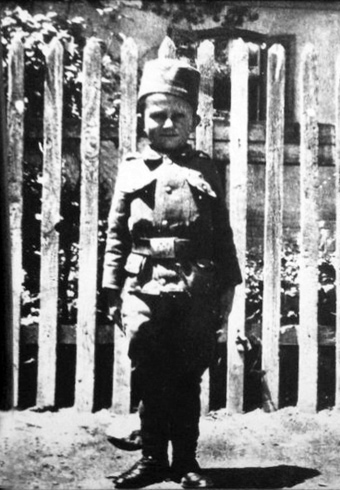
The First World War is often interpreted through the trenches of France and Belgium.
Belgrade tells another part of the story.
Serbia endured invasion, occupation, epidemics, military retreat, and enormous civilian loss. The country suffered on a scale that is difficult to grasp without visiting the places where its dead are remembered. Momčilo Gavrić’s story belongs to that landscape.
In 1914, Austro-Hungarian troops killed members of his family. Serbian soldiers found the eight-year-old boy alone and brought him into their unit. He remained with the army, where he survived combat, retreat, and the Serbian Army’s evacuation through Albania. He later became a corporal and is frequently described as the youngest soldier of the First World War. Presented in isolation, his story can resemble an extraordinary adventure about a child who endured war, earned rank, and survived. Placed within the memorial landscape of Belgrade New Cemetery, however, that interpretation becomes much harder to sustain.
Within the cemetery stands the Memorial Ossuary to the Defenders of Belgrade, surrounded by graves and monuments commemorating those whose lives became inseparable from the country’s wartime experience. Gavrić’s story belongs within that wider history of national devastation.
Gavrić’s entry into the Serbian Army should not be romanticized as evidence of unusual childhood fearlessness. By the time Serbian soldiers found him, the war had already taken the family and home that should have protected him from military service.
That distinction transforms the way we understand his photograph. Although the uniform makes him resemble a miniature soldier, the surrounding memorial landscape reminds visitors that he was first an eight-year-old survivor of a devastated family and country.
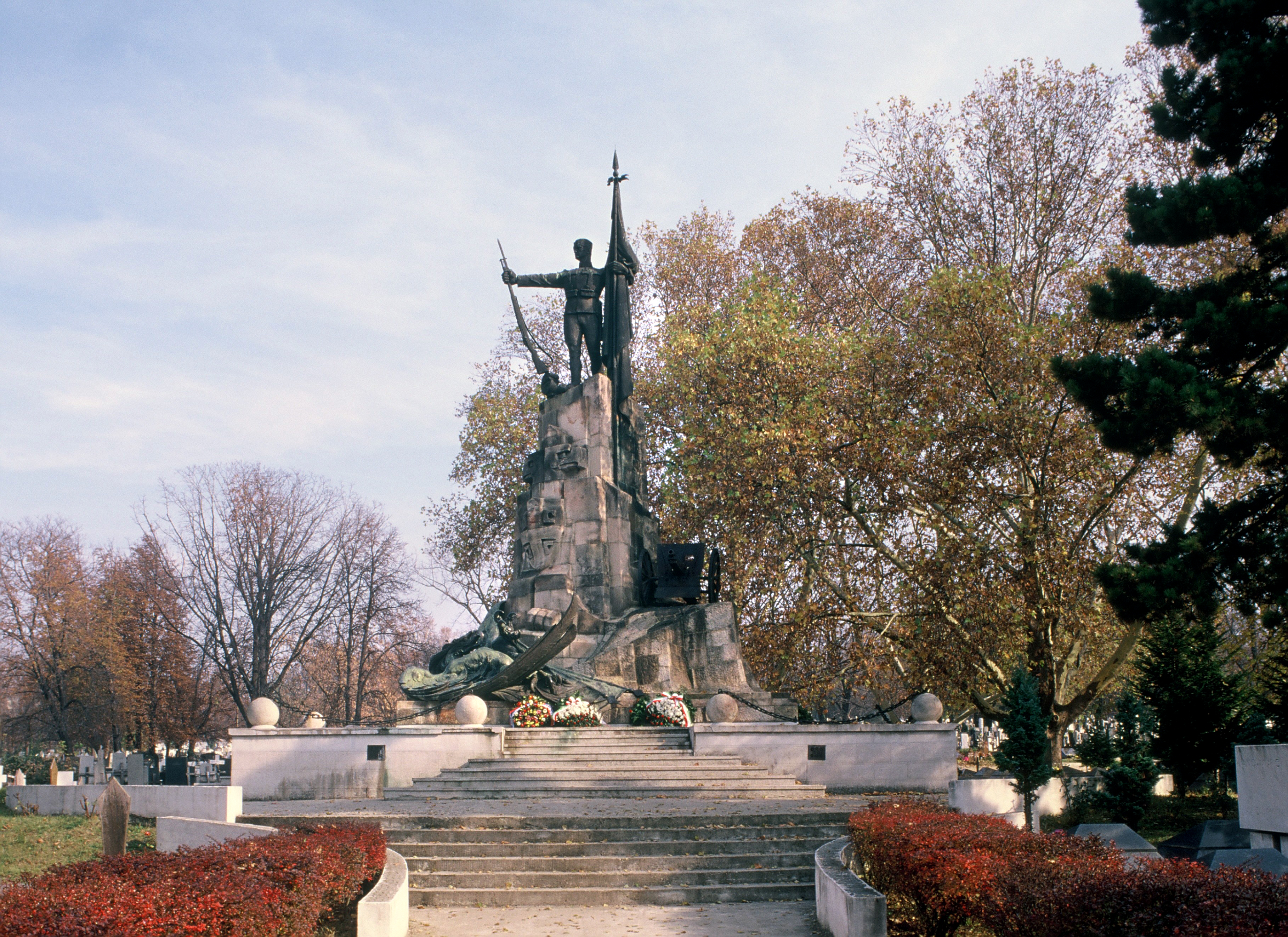
The Memorial Ossuary to the Defenders of Belgrade 1914–1918 at Belgrade New Cemetery in Belgrade, Serbia. The memorial honors the soldiers who defended the Serbian capital during the First World War. Nearby lies Momčilo Gavrić, who joined the Serbian Army at the age of eight after his family was killed during the war. Photograph by Zavod za spomenike grada Beograda (CC BY-SA 4.0).
Jack Cornwell
Age 16 – Manor Park Cemetery, London, England
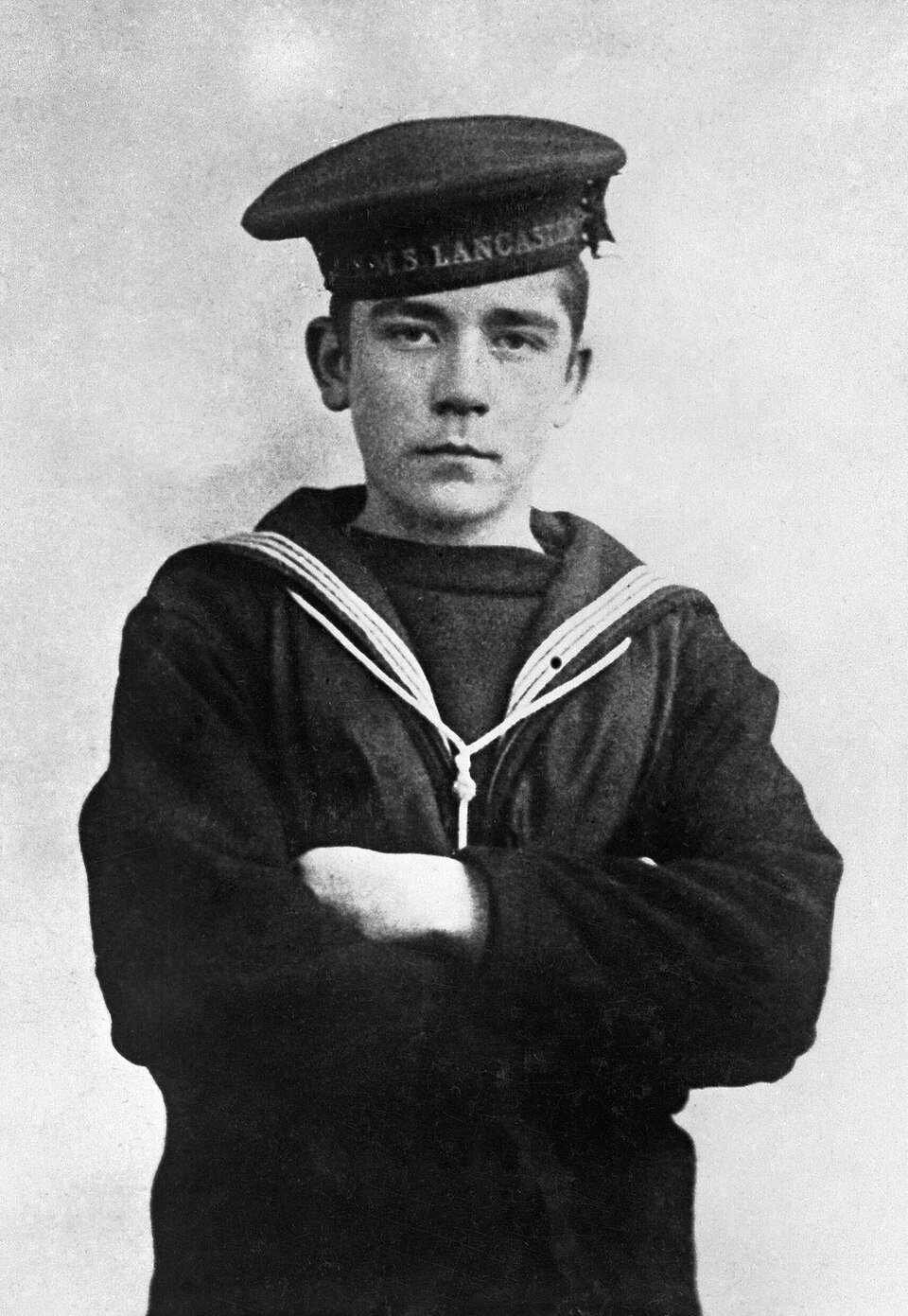
Jack Cornwell (1900-1916) photographed in Royal Navy uniform before the Battle of Jutland. Cornwell remained at his post aboard HMS Chester despite being mortally wounded and was posthumously awarded the Victoria Cross. Today, he is buried at Manor Park Cemetery in London. Photograph by Central News (public domain).
Among the graves at Manor Park Cemetery in east London lies that of a sixteen-year-old sailor whose death became part of Britain’s national memory.
John “Jack” Cornwell served aboard HMS Chester during the Battle of Jutland in 1916. When German gunfire struck his position, members of his gun crew were killed or wounded. Cornwell suffered severe injuries but remained at his post until the fighting ended. He died two days later.
Cornwell was posthumously awarded the Victoria Cross, Britain’s highest award for military gallantry. Newspapers, schools, youth organizations, and public commemorations transformed him into a symbol of courage and duty. That national story can make him seem larger than life, but his grave restores the scale by reminding visitors that he was only sixteen.
A visit to Manor Park Cemetery offers more than an opportunity to remember a decorated sailor. It also invites travelers to consider how societies create heroes from individual loss, and how easily the language of bravery can obscure the youth of the person being commemorated.
Standing before his grave, the Battle of Jutland is no longer only a clash of fleets in the North Sea: it becomes the story of a teenager standing beside a shattered gun.
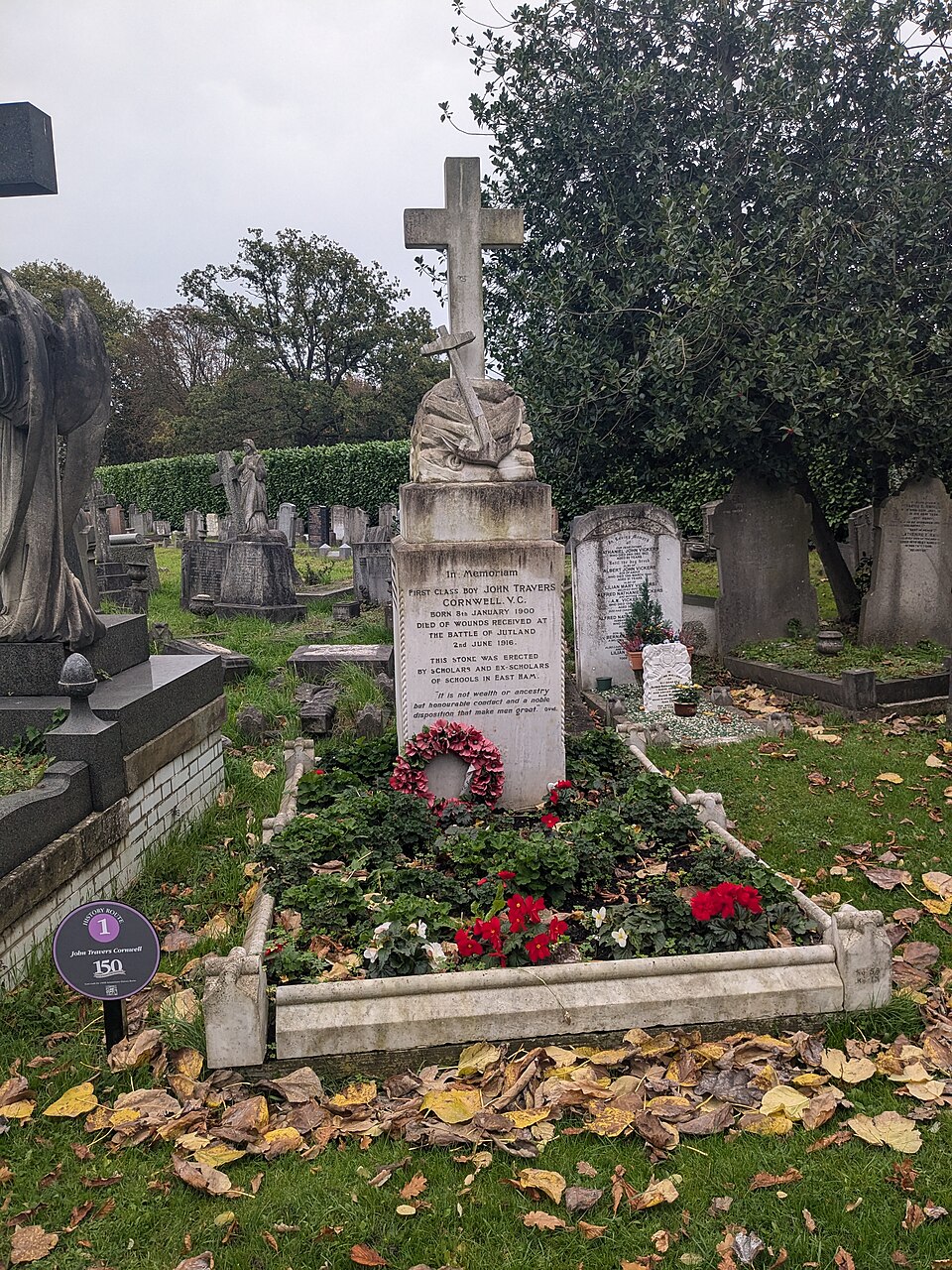
The grave of Jack Cornwell VC at Manor Park Cemetery in London. His courage made him one of Britain's most enduring symbols of youthful sacrifice during the First World War. Photograph by Roding Rover (CC BY-SA 4.0).
Arkady Kamanin
Teenage Pilot – Novodevichy Cemetery, Moscow, Russia
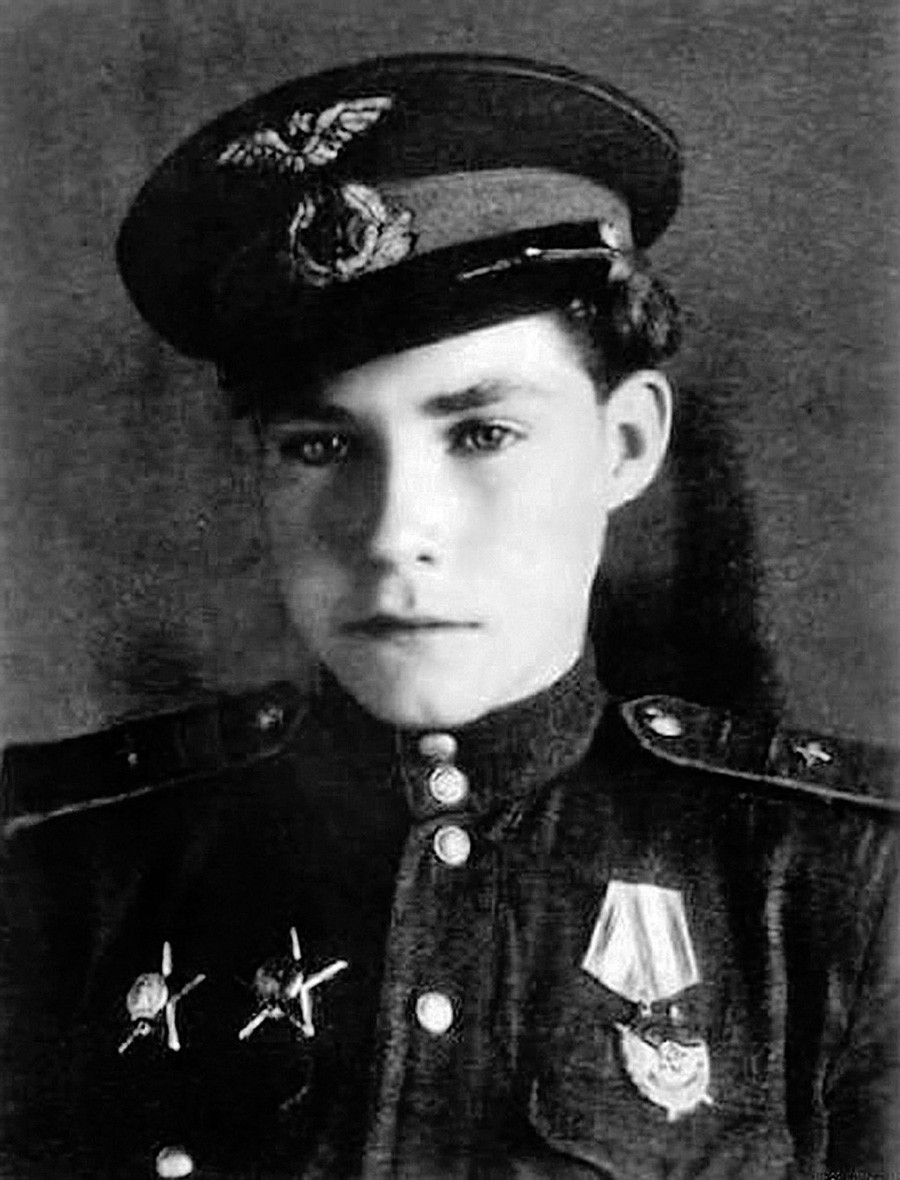
Arkady Kamanin (1928-1947) in Soviet Air Force uniform after serving as one of the youngest military pilots of the Second World War. As a teenager, he flew reconnaissance and courier missions on the Eastern Front and received several military decorations for his service. Public domain.
Novodevichy Cemetery is one of Moscow’s most significant sites of national remembrance. Writers, scientists, military commanders, political figures, and artists are buried there beneath monuments that reflect the lives they led and the country that chose to remember them. Among them is Arkady Kamanin.
The son of Soviet general and aviation pioneer Nikolai Kamanin, Arkady entered military service while still a teenager. During the Second World War, he flew reconnaissance, communications, and courier missions on the Eastern Front, receiving military decorations before he was old enough to have completed secondary school.
Unlike several of the young people in this article, Kamanin survived the war. Yet his life remained remarkably brief. He died from meningitis in 1947 at the age of eighteen.
His burial at Novodevichy places his story within the larger landscape of Soviet national memory. It offers visitors an opportunity to consider not only the experience of a teenage pilot, but also the way the Soviet Union celebrated youthful sacrifice, military service, and devotion to the state.
The cemetery does not present Kamanin simply as a child caught in war. In Novodevichy, he is preserved as a hero - and that distinction matters.
Historic places do not merely show us what happened. They also reveal how later generations decided those events should be understood.
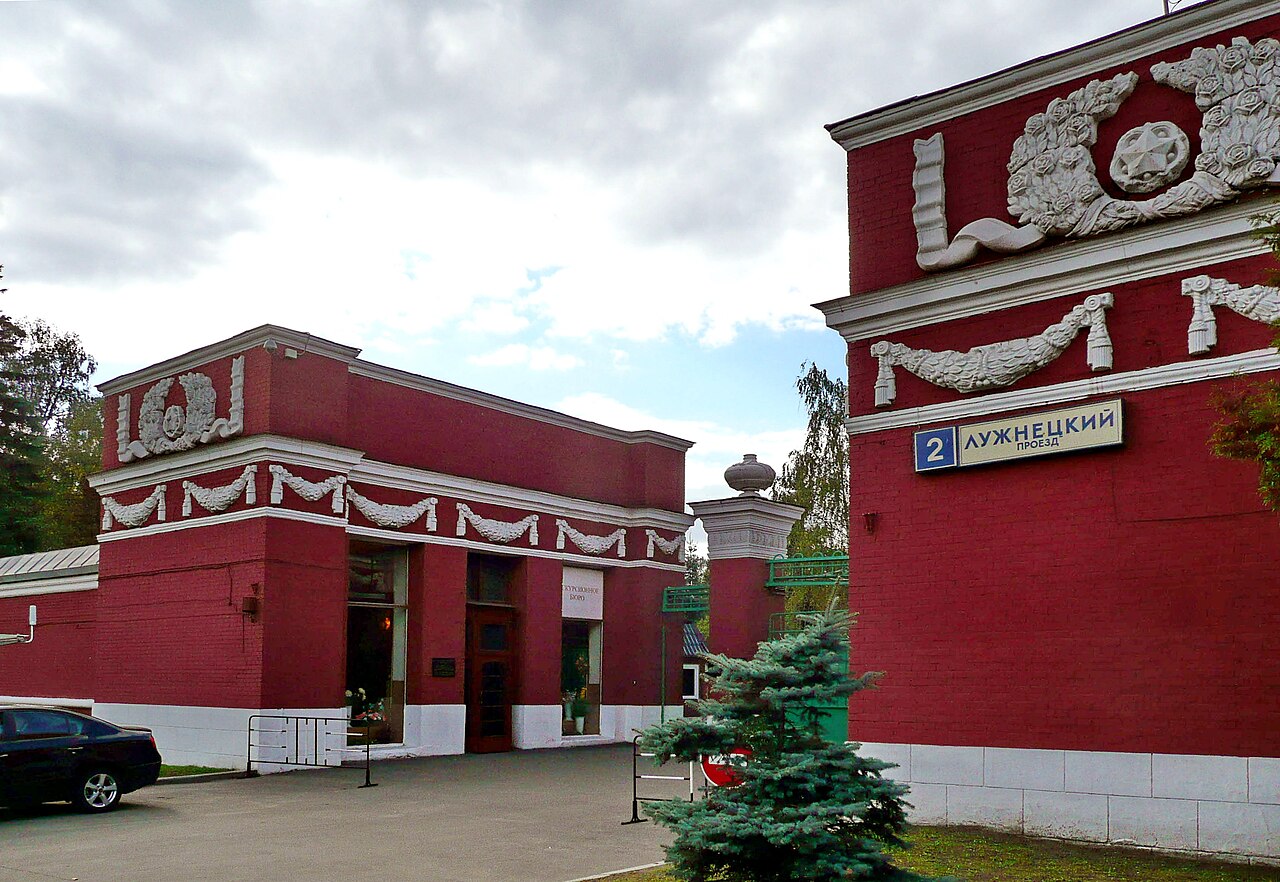
The entrance to Novodevichy Cemetery in Moscow, where Arkady Kamanin is buried among many of Russia's most prominent military leaders, writers, scientists, and political figures. Photograph by Ghirlandajo (CC BY 3.0).
Why These Places Matter
Battlefields tell the stories of armies, while cemeteries often tell the stories of individuals. Together, they reveal something neither can explain alone.
A battlefield helps visitors understand geography, tactics, and the physical scale of war. A cemetery changes the scale entirely. Rows of headstones become individual names. Military units become sons, students, apprentices, and teenagers.
The experience is especially powerful for educators.
Whether we first encounter the World Wars through textbooks, documentaries, museums, or family stories, they can begin to feel distant - measured in campaigns, casualty figures, and political decisions. Standing before the grave of a fifteen-year-old in Belgium or an eight-year-old's memorial in Serbia changes that perspective in ways no map can accomplish.
A fifteen-year-old buried near Ypres does not feel distant. Neither does a sixteen-year-old sailor in London or an eight-year-old Serbian boy photographed in an oversized uniform.
These stories do not simplify history into lessons about innocence and tragedy. Each one raises more difficult questions: Why were children permitted or compelled to serve? How did governments transform youthful sacrifice into national mythology? Why do some young people become enduring symbols while others are forgotten? What happens when archival evidence challenges the story carved into a memorial?
The value of visiting these places lies partly in their refusal to provide easy answers. Instead, they ask travelers to pause, to read - and to reconsider what they thought they knew.
History Through Place
These five sites are spread across several countries, but they do not stand alone.
Essex Farm and Poelcapelle can form part of a broader exploration of the Ypres Salient, combined with preserved trenches, battlefield museums, the Menin Gate, and Tyne Cot Cemetery.
Jack Cornwell’s grave can add an unexpected First World War dimension to time in London, particularly for travelers also exploring the Imperial War Museum, the National Maritime Museum, or Britain’s wider naval history.
Belgrade New Cemetery can help place Serbia’s wartime experience within a journey through the Balkans - a region often mentioned in explanations of how the First World War began but too rarely explored in depth.
Novodevichy Cemetery connects military history with Soviet politics, literature, science, art, and the changing ways Russia has commemorated its national figures.
These are not necessarily the places that dominate conventional sightseeing lists. That is part of their value.
These sites encourage travelers to move beyond familiar narratives and consider how the World Wars were experienced, remembered, and interpreted across very different parts of Europe.
Traveling Through History, Not Around It
At Storied Sojourns Travel, we believe travel becomes most meaningful when it connects people directly to the places where history unfolded. From battlefields and memorials to cafés, museums, artistic neighborhoods, and overlooked corners of Europe, these locations help travelers experience history as something lived rather than simply remembered.
A journey built around these stories might explore:
the cemeteries, preserved trenches, and memorials of the Ypres Salient
London sites connecting the Battle of Jutland with Britain’s naval memory
Belgrade memorials that reveal Serbia’s often-overlooked experience of the First World War
historic cemeteries where individual graves illuminate larger questions of war, memory, and national identity
journeys designed around the stories and places most travelers never think to explore
If you are interested in discovering Europe through the history, culture, and overlooked stories that shaped it, Storied Sojourns can help design a journey built around the experiences that matter most to you.