Top 10 World War II Sites for Students and Travelers
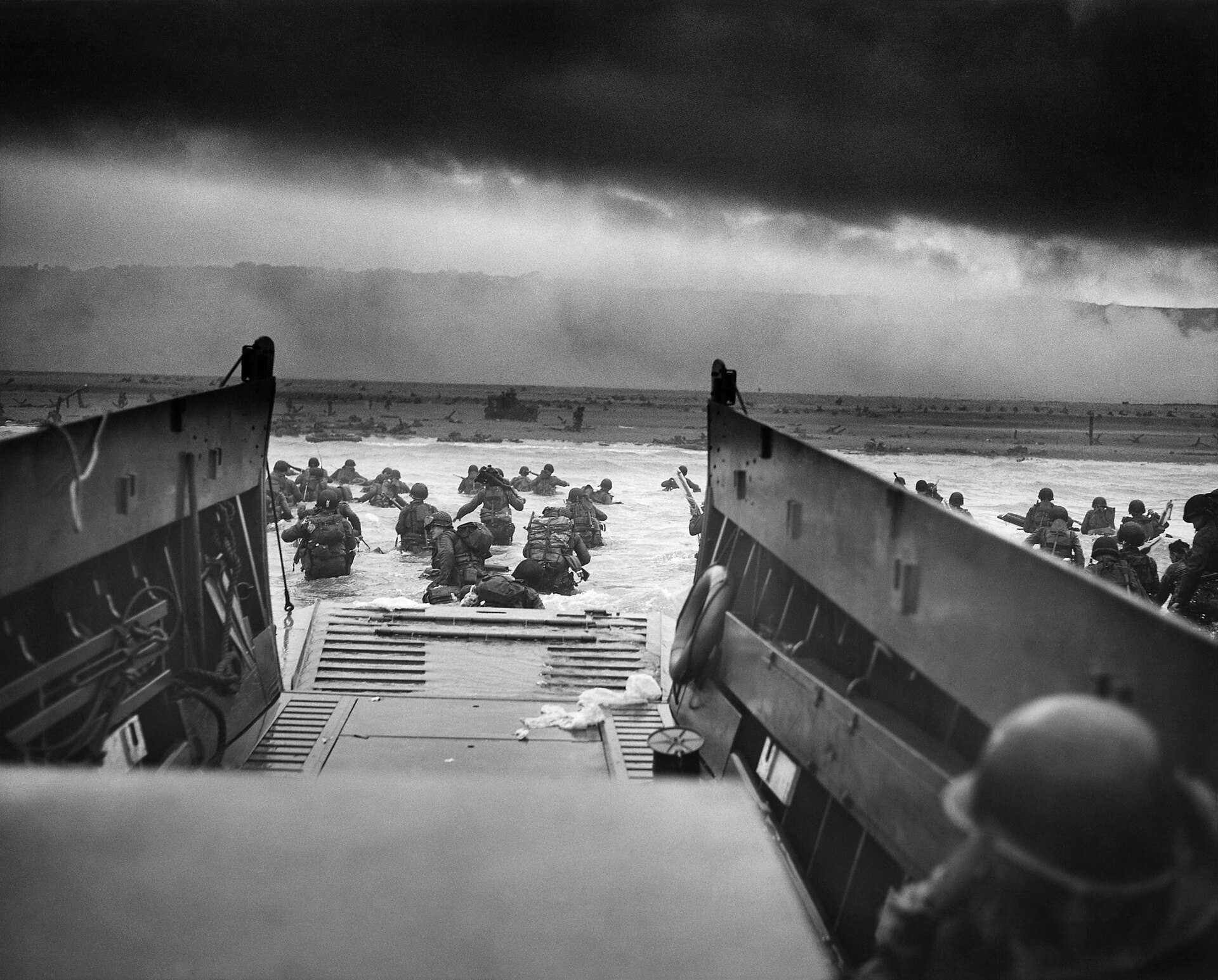
Header: U.S. soldiers wade ashore from a landing craft during the D-Day invasion at Omaha Beach, Normandy, June 6, 1944. Photograph by Chief Photographer’s Mate Robert F. Sargent, U.S. Coast Guard (public domain, via U.S. National Archives).
Originally published in 2025. Updated for the Storied Sojourns relaunch.
World War II (1939–1945) was the deadliest and most transformative conflict in human history, reshaping nations, borders, and global politics. For students, educators, homeschoolers, and history enthusiasts, visiting these sites offers a deeply immersive way to understand this pivotal moment in history. These locations are not just tourist attractions; they are living classrooms, each preserving powerful stories of courage, tragedy, and resilience. This guide explores the top 10 best, most important World War II sites worth visiting by students and travelers, providing context, highlights, and tips for making the most of your visit.
1. Normandy Beaches - France
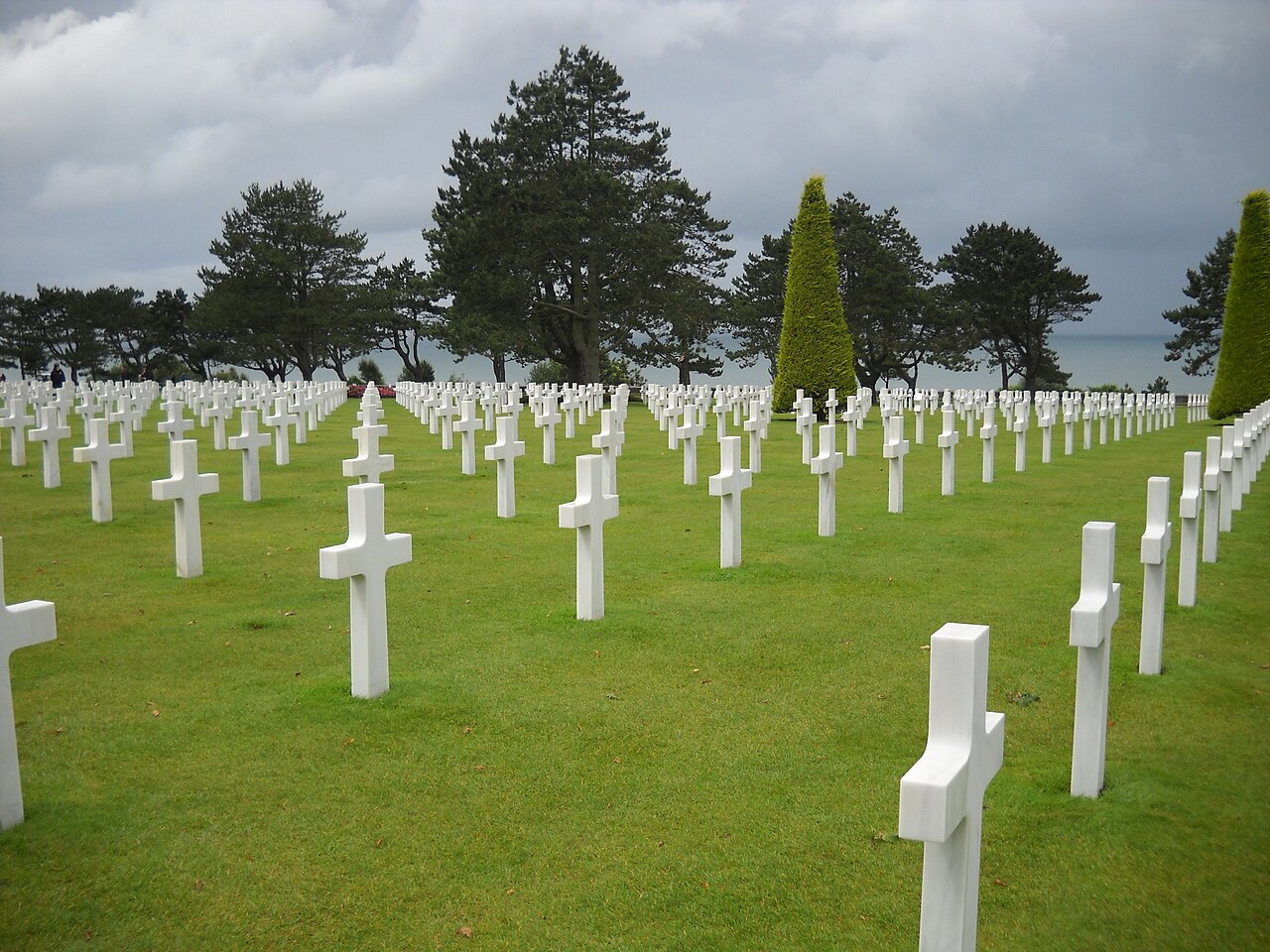
The Normandy American Cemetery and Memorial overlooks Omaha Beach and honors more than 9,000 American soldiers who died during the D-Day landings and the Normandy campaign of World War II. Photo by Taueres via Wikimedia Commons (CC BY-SA 3.0).
The D-Day landings on June 6, 1944, marked the beginning of the liberation of Western Europe. The beaches of Normandy - Utah, Omaha, Gold, Juno, and Sword - are now peaceful coastlines, but their significance remains profound. Visitors can walk along the sands where Allied troops stormed ashore under heavy fire.
The Normandy American Cemetery and Memorial in Colleville-sur-Mer honors over 9,000 American soldiers, with its rows of white crosses stretching toward the horizon. Nearby, the Caen Memorial Museum and Arromanches 360 Circular Cinema provide context for the operation’s scale and planning. Standing on Omaha Beach or exploring remnants of Mulberry harbors offers a vivid understanding of the bravery and sacrifice involved in D-Day.
2. Auschwitz-Birkenau - Poland
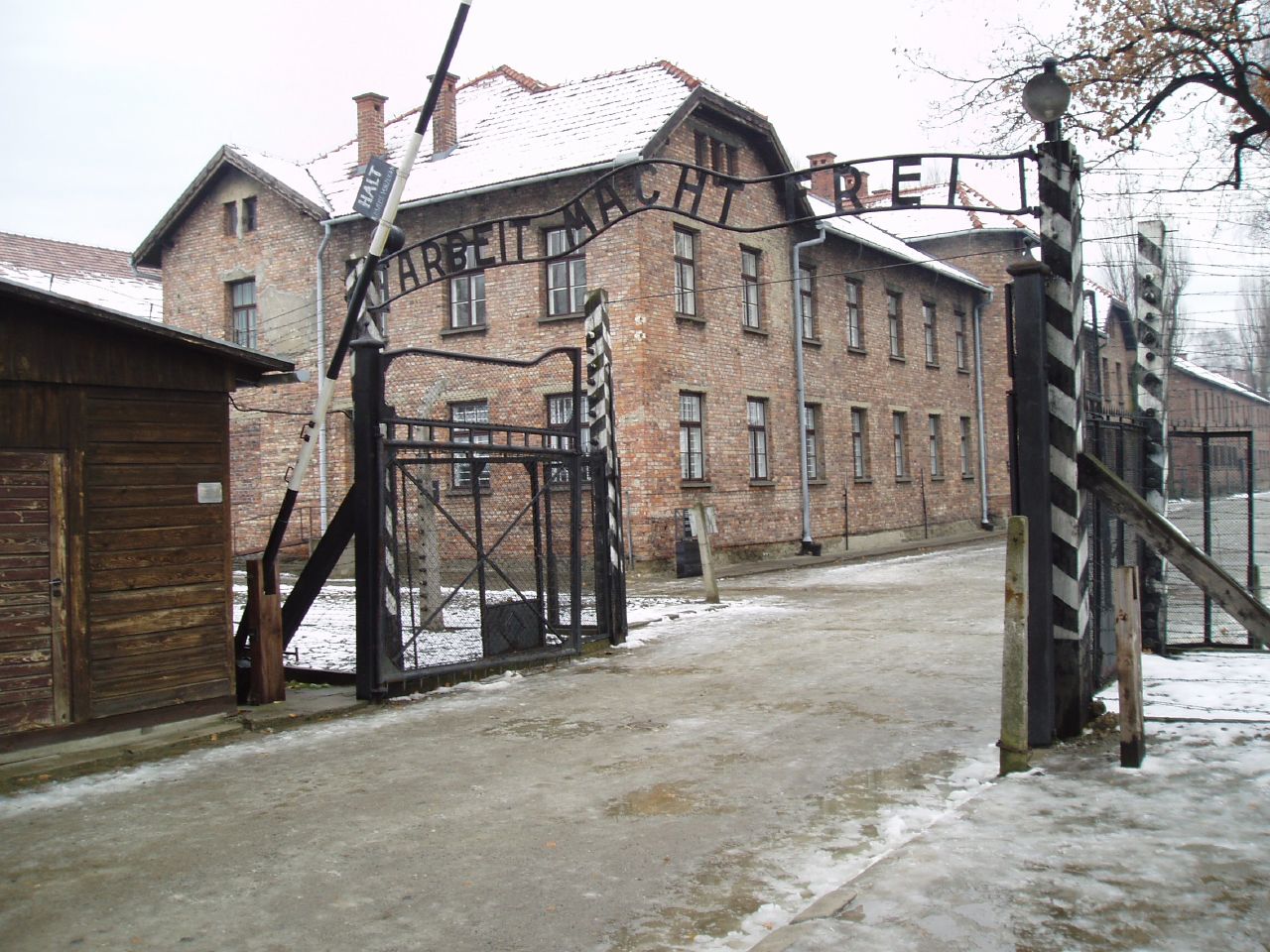
The main gate of Auschwitz I in Oświęcim, Poland, bearing the infamous Nazi slogan “Arbeit Macht Frei” (“Work Sets You Free”). Prisoners passed beneath this gate upon entering the camp during the Holocaust. Photo by Tulio Bertorini via Wikimedia Commons (CC BY-SA 2.0).
Auschwitz-Birkenau is the most infamous of the Nazi concentration and extermination camps. Over one million people - mostly Jews, but including Poles, Roma, Russians, homosexuals, and many others - were murdered here, making it a symbol of the Holocaust’s horrors. Visitors can see preserved barracks, the railway tracks leading to the camp, and exhibits featuring victims’ personal belongings.
Guided tours offer an emotional yet essential education about the Holocaust’s scale and human impact. The Auschwitz-Birkenau State Museum focuses on remembrance and education, ensuring that future generations understand the dangers of hatred and prejudice. Visiting this site is a deeply sobering experience, suitable for older students who are prepared for its emotional weight.
3. Berlin - Germany
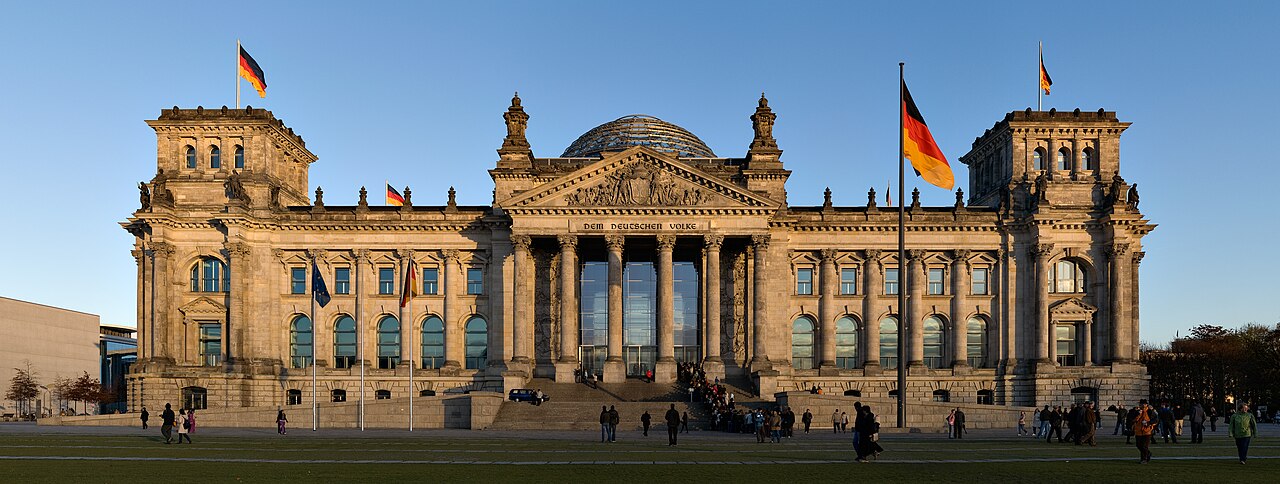
The Reichstag Building in Berlin, Germany, home of the German Bundestag. The historic building, originally completed in 1894, was heavily damaged during the 1933 Reichstag Fire and the fighting of the Battle of Berlin in 1945, before being restored and reopened in 1999 with its modern glass dome. Photo by Jürgen Matern via Wikimedia Commons.
Berlin was the center of Nazi power and is today a city committed to remembrance. The Topography of Terror museum stands on the site of the former Gestapo and SS headquarters, documenting the rise and fall of the Third Reich. Nearby, the Memorial to the Murdered Jews of Europe consists of 2,711 concrete slabs forming a stark, contemplative landscape.
Berlin also offers visits to the Reichstag, scarred by wartime battles, and remnants of the Berlin Wall, which highlight how WWII’s legacy shaped Cold War history. For students, Berlin is a living textbook that demonstrates both the horrors of dictatorship and the resilience of a city rebuilt.
4. Warsaw Uprising Museum - Warsaw, Poland
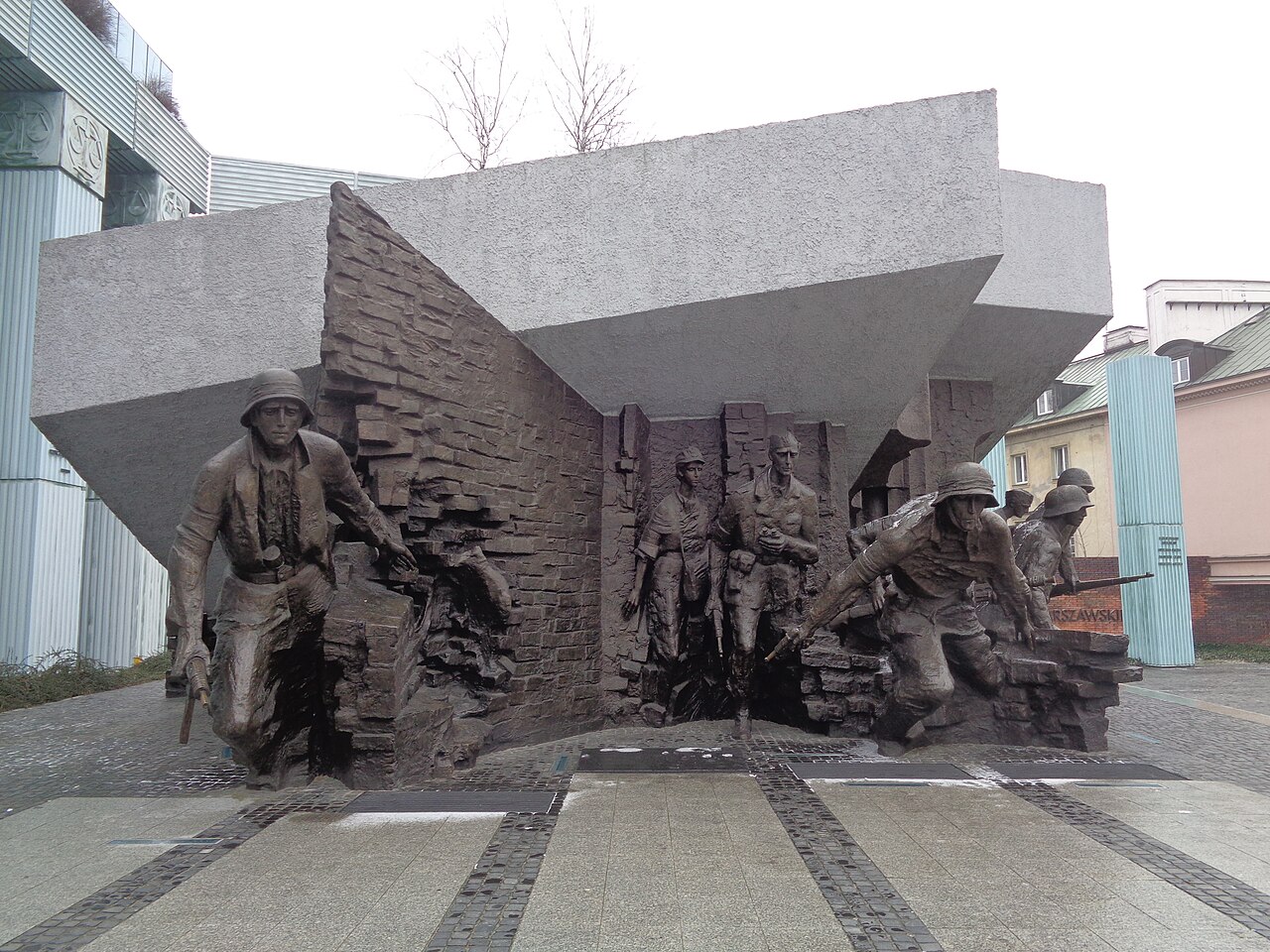
The Warsaw Uprising Monument in Warsaw, Poland, commemorates the fighters of the 1944 Warsaw Uprising and depicts resistance fighters emerging from the ruins of the city during the 63-day battle against German occupation. Photo by Mariochom via Wikimedia Commons (CC BY-SA 4.0).
The Warsaw Uprising of 1944 was a courageous but tragic attempt by Polish resistance fighters to reclaim their city from Nazi occupation. The Warsaw Uprising Museum immerses visitors in this story with interactive exhibits, photographs, and a recreated sewer used by insurgents.
Students learn not just about military history but also the courage of civilians who fought for freedom. The museum’s multimedia displays and artifacts make this chapter of WWII deeply personal and relatable, while exploring the rebuilt city of Warsaw shows the resilience of its people.
5. Nuremberg - Germany
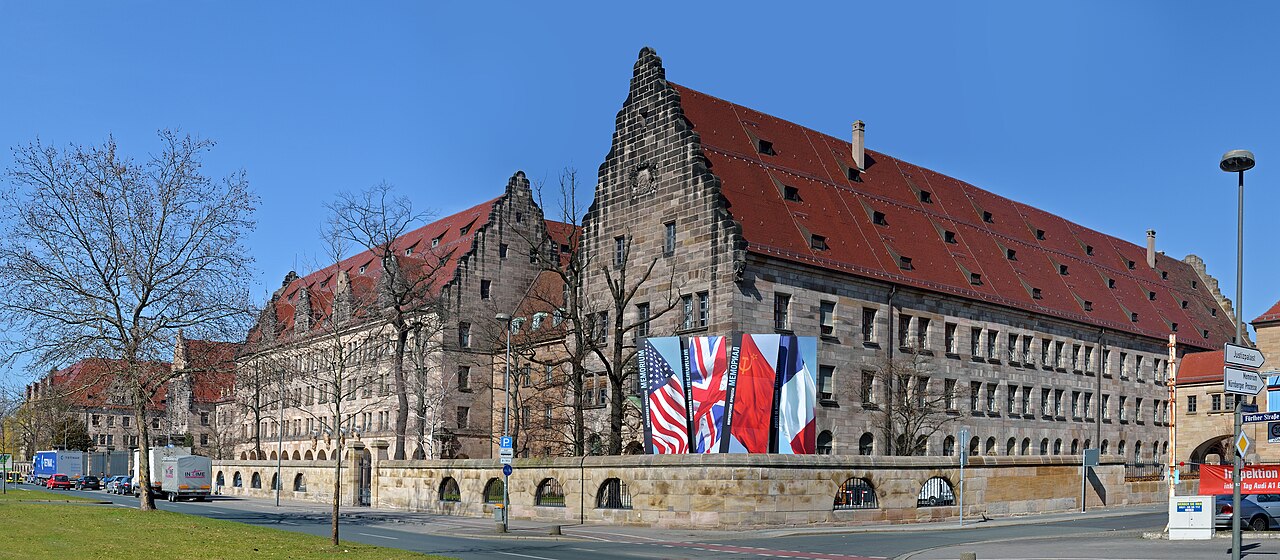
he Nuremberg Palace of Justice in Nuremberg, Germany, site of the Nuremberg Trials. Courtroom 600 hosted the landmark post–World War II trials that prosecuted leading officials of Nazi Germany. Photo by André Karwath via Wikimedia Commons (CC BY-SA 2.5).
Nuremberg was a focal point of both Nazi propaganda and postwar justice. The city hosted massive Nazi rallies at the Zeppelin Field, and later the Nuremberg Trials, where leading Nazi officials were prosecuted for crimes against humanity.
Visitors can explore Courtroom 600 at the Palace of Justice, where these historic trials took place. The Documentation Center Nazi Party Rally Grounds examines how propaganda fueled Hitler’s regime. Nuremberg’s dual role in WWII, both as a stage for oppression and a symbol of justice, makes it essential for understanding accountability in history.
6. Anne Frank House - Amsterdam, Netherlands
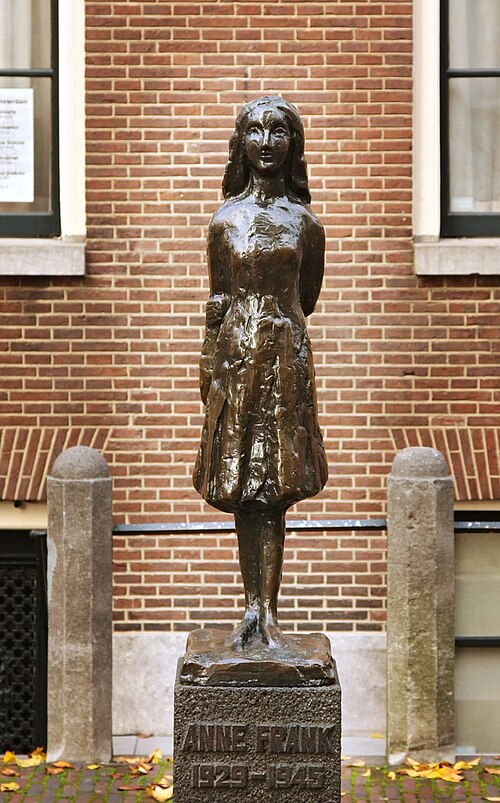
Statue of Anne Frank near the Anne Frank House in Amsterdam, Netherlands. Anne Frank hid nearby during the Nazi occupation and later became one of the most widely recognized voices of the Holocaust through her diary. Photo by drobm via Wikimedia Commons.
The Anne Frank House offers a profoundly moving glimpse into the life of a Jewish teenager who hid from the Nazis for over two years. Visitors walk through the cramped Secret Annex, where Anne wrote her famous diary, and see exhibits about her life, family, and the persecution of Jews in the Netherlands.
This site makes WWII history intensely personal, particularly for younger students. Anne’s story highlights the human dimension of war and serves as a reminder of the power of resilience and hope.
7. Arnhem - Netherlands
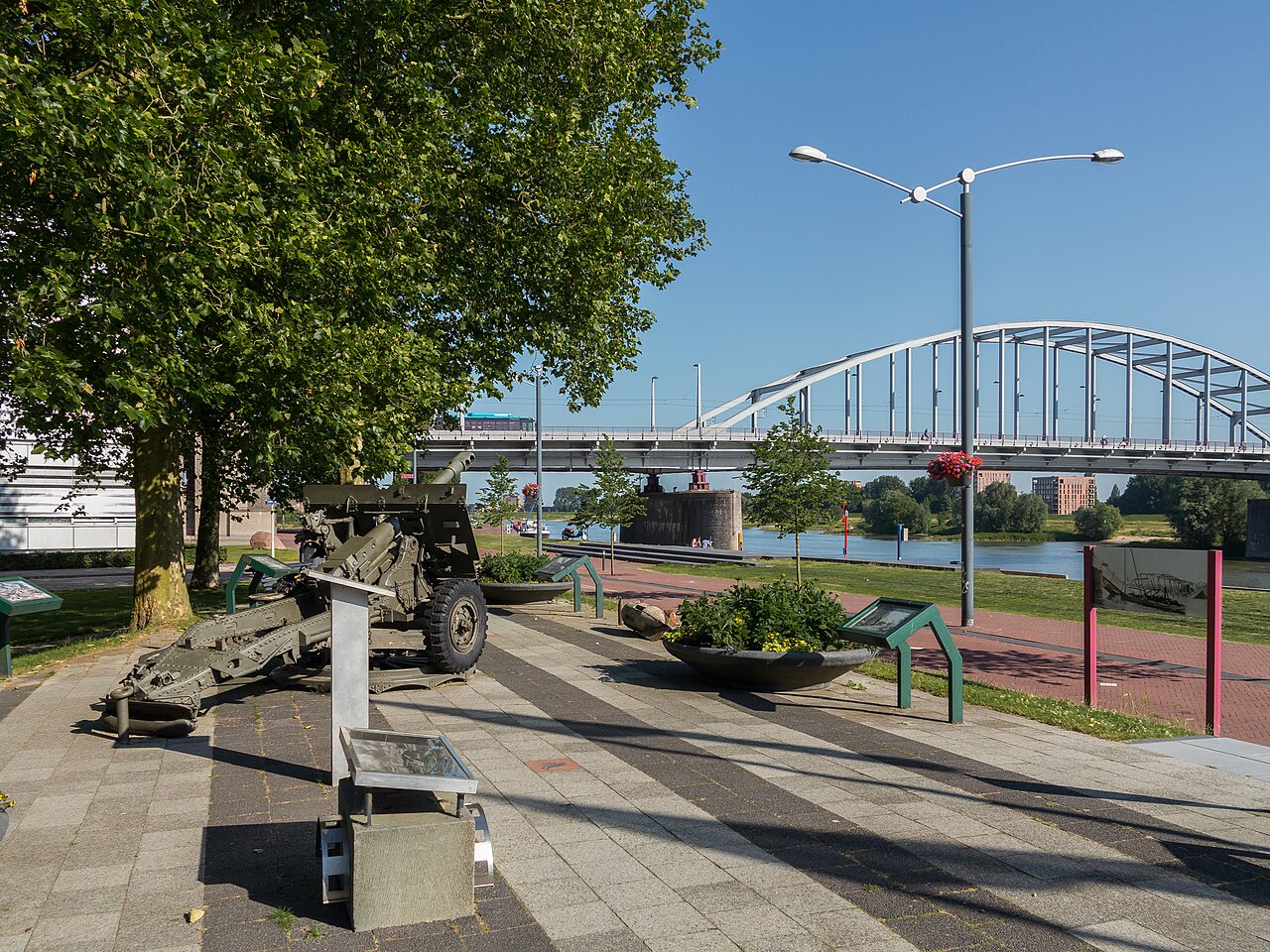
Airborne Monument in Arnhem, Netherlands, with John Frost Bridge in the background. The memorial commemorates British and Allied paratroopers who fought in the Battle of Arnhem in September 1944 during Operation Market Garden. Photo by Michel Verbeek via Wikimedia Commons (CC BY-SA 4.0).
Operation Market Garden, launched in September 1944, was one of the largest airborne operations in history. The plan aimed to capture bridges across the Rhine, but fierce German resistance turned Arnhem’s bridge into a symbol of Allied bravery and miscalculation.
The Airborne Museum Hartenstein in Oosterbeek vividly tells this story, while walking tours of Arnhem and the John Frost Bridge help visitors imagine the intense fighting that occurred there. Students gain insight into Allied strategies, risks, and the civilian toll of liberation campaigns.
8. Dresden - Germany
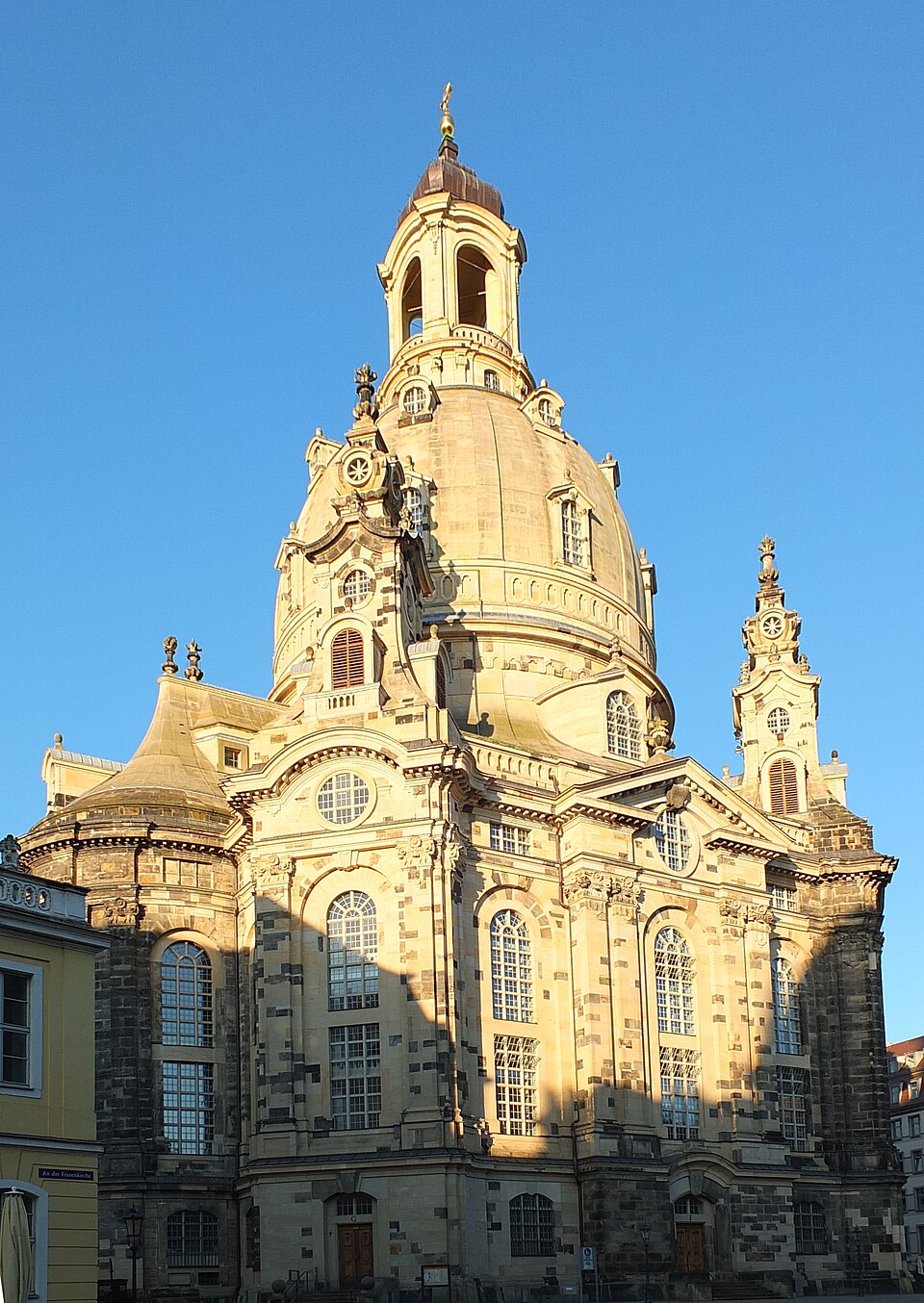
The Frauenkirche in Dresden, Germany. The Baroque church was destroyed during the Allied bombing of February 1945 and left in ruins as a war memorial during the Cold War before being reconstructed after German reunification and reopened in 2005. Photo by Ad Meskens via Wikimedia Commons.
Dresden’s firebombing in February 1945 remains controversial, with tens of thousands of civilians killed and much of the city destroyed. Today, Dresden stands as a striking example of postwar reconstruction. The rebuilt Frauenkirche is a powerful symbol of reconciliation, while the Military History Museum encourages reflection on war ethics and civilian suffering.
For educators, Dresden sparks critical discussions about military strategy, morality, and the cost of war on civilians, making it a crucial stop on any WWII itinerary.
9. Imperial War Museum - London, England
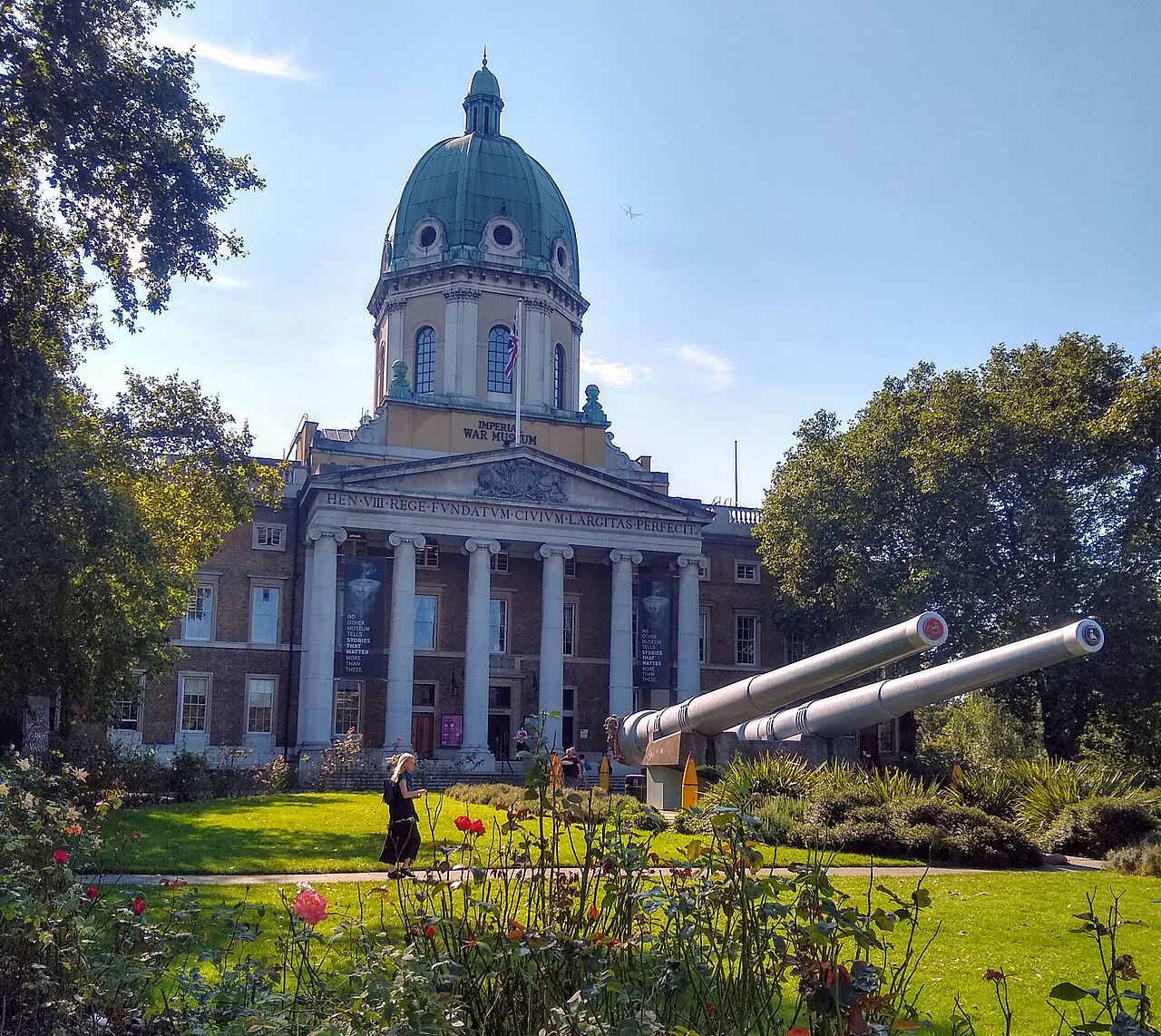
The Imperial War Museum in London, located in the borough of Southwark, houses one of the world’s leading collections on the history of modern conflict, including extensive exhibits on the Second World War and the Holocaust. Photo by 365daytravel via Wikimedia Commons (CC BY-SA 4.0).
The Imperial War Museum in London offers a comprehensive look at WWII and its global reach. Its exhibits include a Spitfire fighter, Blitz bomb shelters, and extensive collections of photographs, letters, and artifacts.
The museum provides a broad overview of the war, including home front life, resistance movements, and the Holocaust. It’s an excellent choice for groups seeking a well-rounded introduction before visiting battlefield sites.
10. Hiroshima Peace Memorial and Museum - Hiroshima, Japan
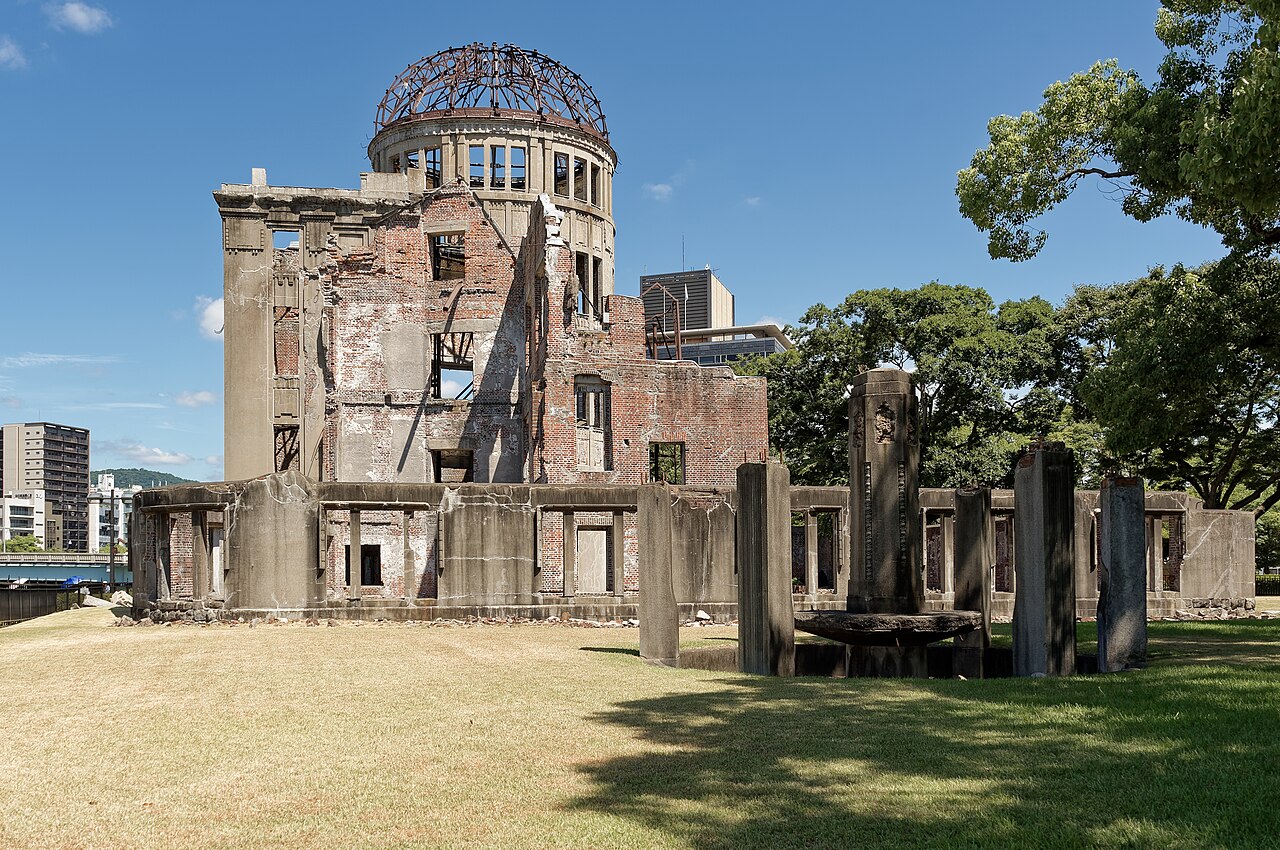
The Hiroshima Peace Memorial (Genbaku Dome) in Hiroshima, Japan. The building survived the atomic bombing of 6 August 1945 and was preserved as a memorial to the victims of the attack and as a symbol of the destructive power of nuclear warfare. Photo by Jakub Hałun via Wikimedia Commons (CC BY 4.0).
On August 6, 1945, Hiroshima became the first city targeted by an atomic bomb. The Hiroshima Peace Memorial Park and Atomic Bomb Dome stand as powerful reminders of the devastation. The Peace Memorial Museum tells survivors’ stories and promotes a vision of nuclear disarmament and peace.
For students, Hiroshima is an opportunity to understand not only WWII’s end but also its ongoing legacy. It’s a deeply emotional and globally significant destination that emphasizes the importance of learning from history.
Why Visiting WWI Sites Matters
Visiting WWII sites connects travelers with history on a visceral level. Walking across Omaha Beach, exploring the streets of Berlin, or standing in Auschwitz’s solemn silence teaches lessons no textbook can fully convey. These sites help students grasp the immense cost of war, the dangers of extremism, and the importance of empathy, resilience, and justice.
Plan Your Educational Travel Experience
At Storied Sojourns, we believe that history is best learned through experience. We create immersive travel programs for schools, homeschool groups, and history lovers to explore sites like these with expert guides and rich storytelling. WWII history isn’t just a series of dates and battles; it’s a living narrative that continues to shape our world.
Ready to take your history lessons beyond the classroom? Start planning your journey to these remarkable WWII sites and see the past come to life.