Five Women of World War I and World War II in Europe – Historic Sites You Can Visit Today
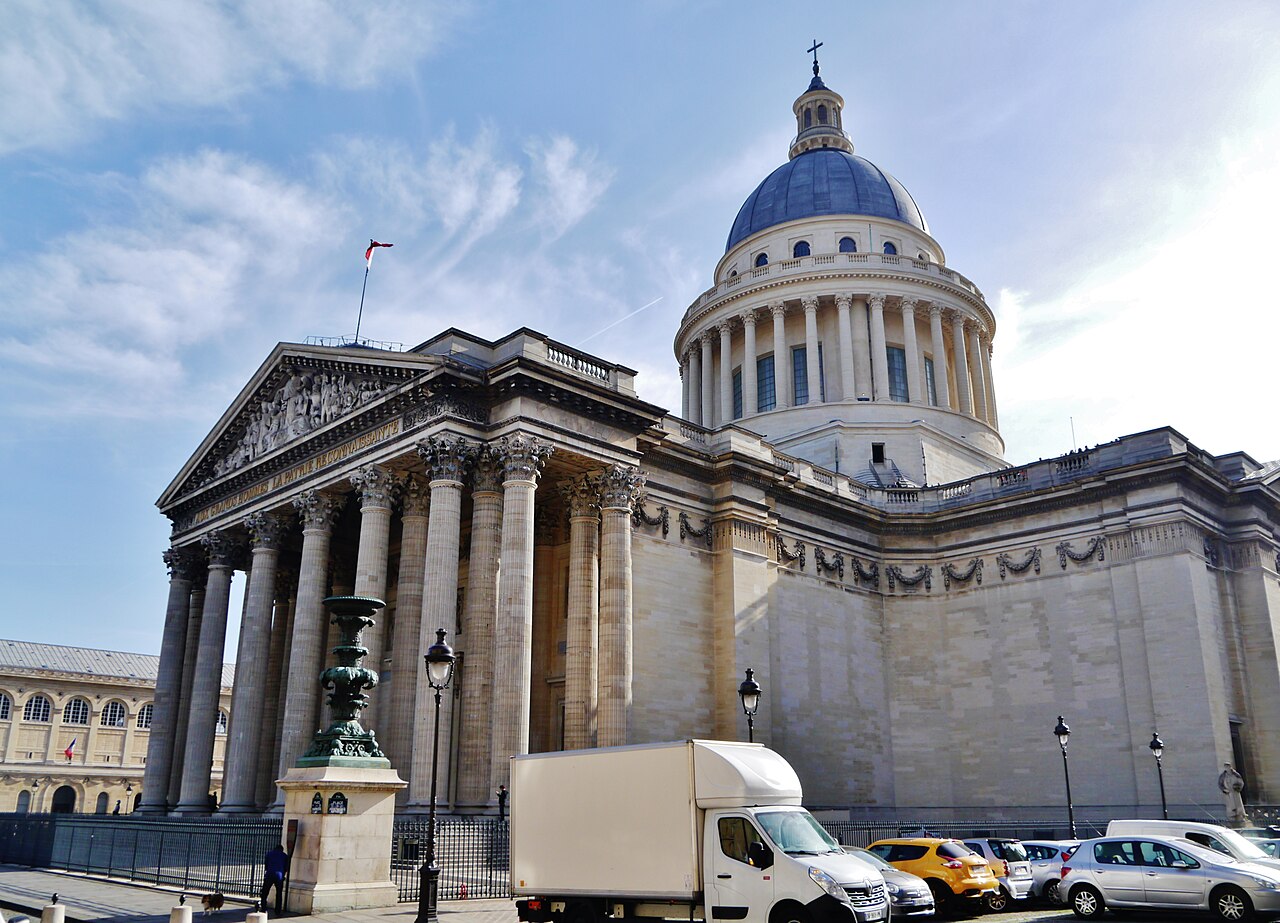
Header: The Panthéon in Paris, France, where Marie Curie rests among the nation’s most honored figures. Photo by Zairon via Wikimedia Commons (CC BY-SA 4.0).
The first half of the twentieth century was shaped not only by generals and diplomats, but by women working in laboratories, occupied cities, forests, classrooms, and hidden rooms.
To understand this period fully, travelers must step beyond battlefields alone. The streets of Paris, Munich, Amsterdam, Brussels, and rural France carry quieter stories - stories of science, conscience, resistance, and memory.
These five women offer meaningful entry points into that landscape.
Marie Curie
Science and Survival in Paris and Warsaw
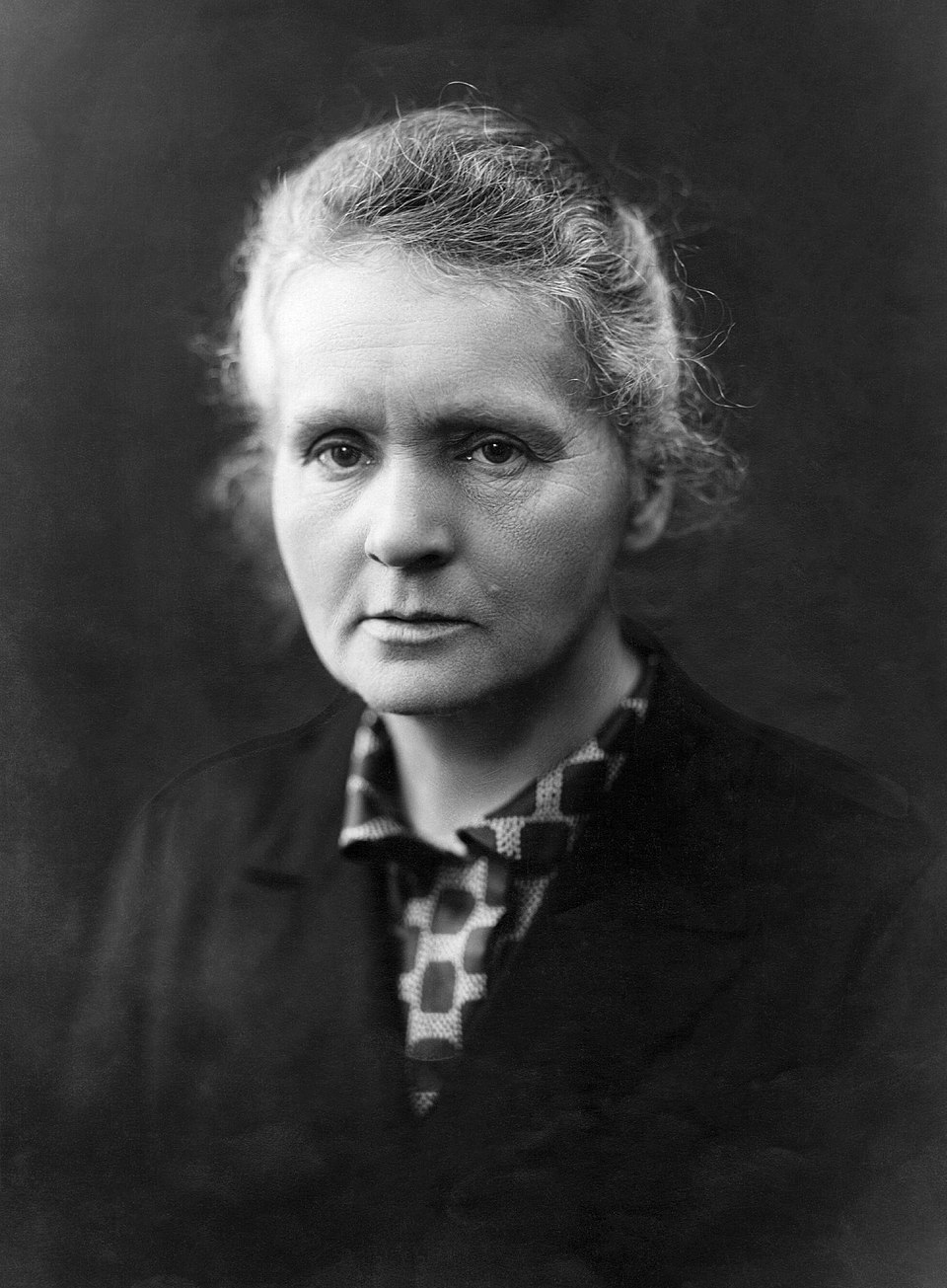
Marie Curie, c. 1920. Photo by Henri Manuel via Wikimedia Commons (CC BY-SA 4.0).
Marie Curie is often remembered for her Nobel Prizes, yet less often emphasized is her direct impact on World War I, known across Europe as the First World War. When war erupted in 1914, Curie transformed scientific research into practical wartime innovation.
She developed mobile radiography units - the petites Curies - that could be brought close to the front. These vehicles allowed surgeons to identify shrapnel and internal injuries quickly, dramatically increasing survival rates. In a war defined by industrialized destruction, her work marked a turning point in the relationship between science and modern warfare.
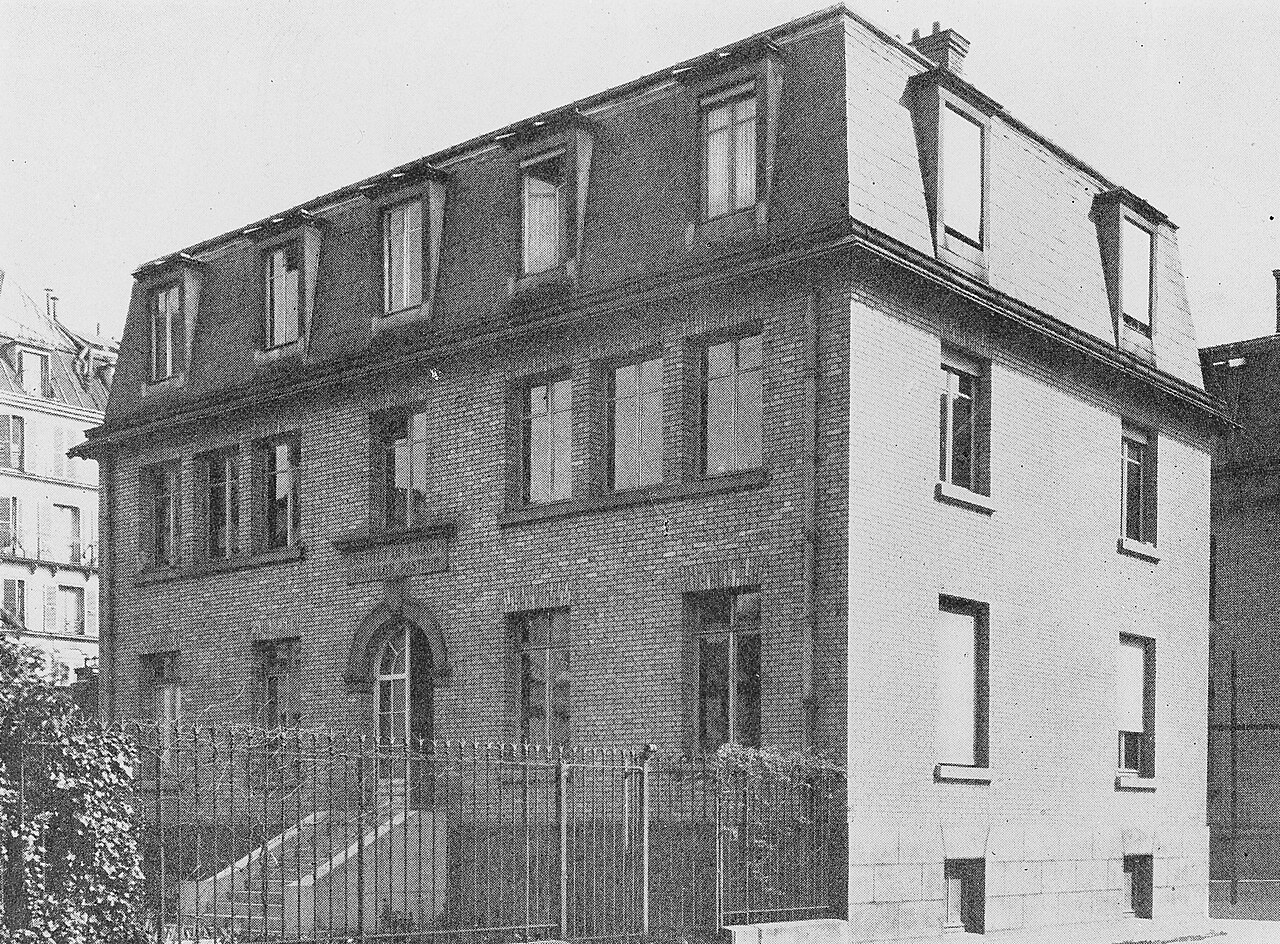
The Radium Institute in Paris, home to Marie Curie’s laboratory and now the Musée Curie. Photo from Wellcome Collection via Wikimedia Commons (CC BY-SA 4.0).
Travelers can visit:
Panthéon in Paris, where she is interred among France’s national figures.
Musée Curie, located in her former laboratory.
Maria Skłodowska-Curie Museum in Warsaw, her childhood home, reflecting her Polish birth name.
In Paris, a Curie visit deepens programs already focused on Les Invalides, the Marne battlefields, or the intellectual ferment of the interwar Left Bank. In Warsaw, her story intersects with broader narratives of partition, occupation, and national resilience.
Her legacy reframes the war not only as destruction, but as transformation.
Edith Cavell
Occupation and Moral Courage in Brussels and London
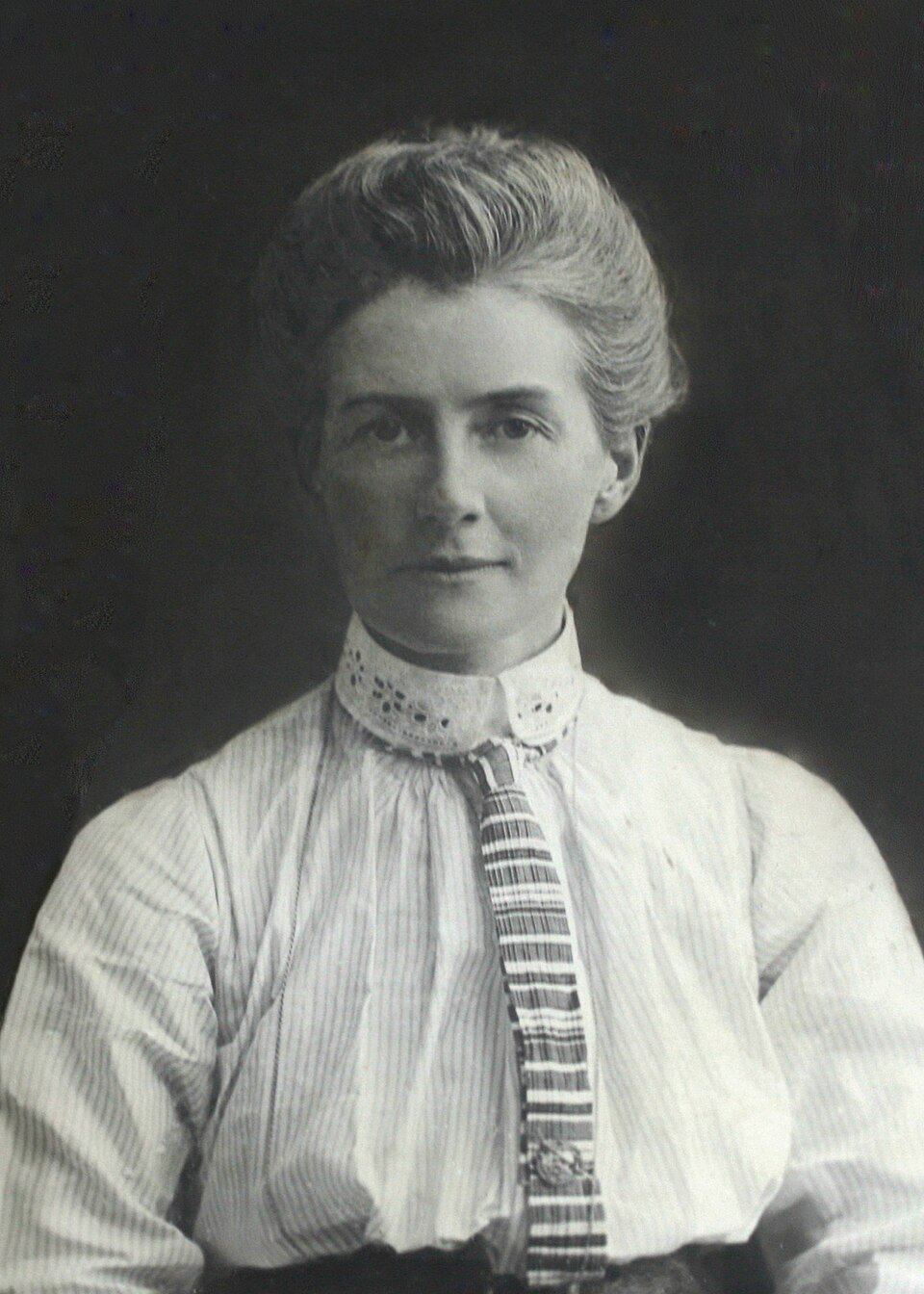
Edith Cavell. Public domain via Wikimedia Commons.
Edith Cavell was a British nurse working in German-occupied Belgium during World War I. She helped Allied soldiers escape to neutral territory. In 1915, she was arrested and executed by German authorities.
Her death became a powerful symbol across the Allied world. Recruitment posters, sermons, and public memorials invoked her name. Yet beneath that symbolism stood a medical professional who believed care transcended nationality.
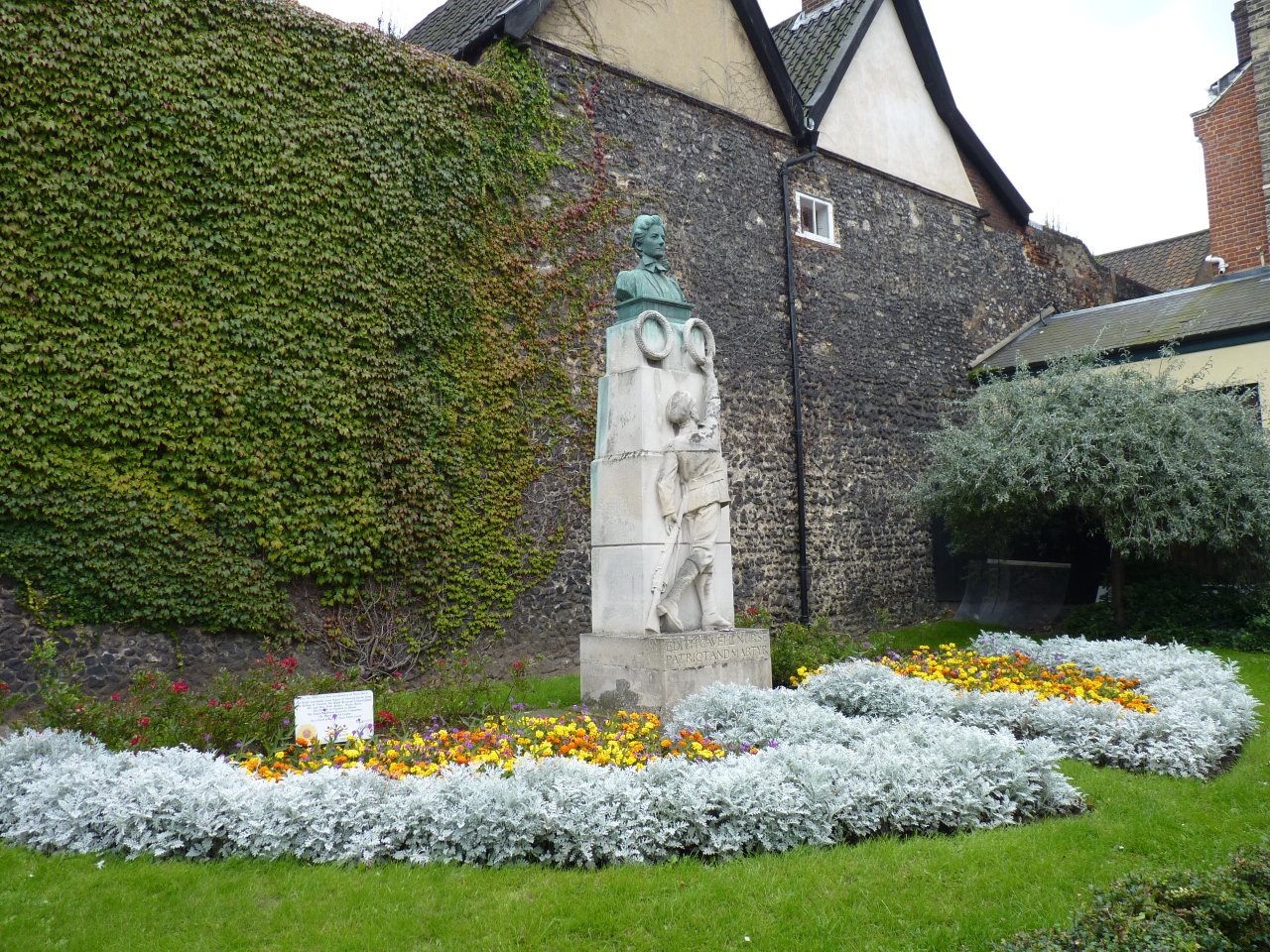
The Edith Cavell Memorial at Norwich Cathedral, where she is buried. Photograph by David Iliff via Wikimedia Commons (CC BY-SA 2.0).
Travelers can visit:
Tir National in Brussels, the site of her execution.
Edith Cavell Memorial near Trafalgar Square in London.
Norwich Cathedral, where she is buried.
In Belgium, her story sharpens any Western Front program centered on Ypres and Passchendaele by introducing the lived reality of occupation. In London, her memorial anchors conversations about wartime propaganda and civilian mobilization.
Cavell’s life reminds travelers that war reshaped cities as profoundly as it did front lines.
Sophie Scholl
Resistance in Munich
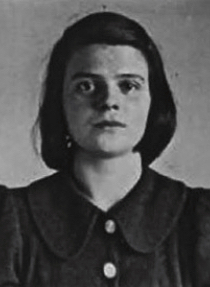
Sophie Scholl. Public domain via Wikimedia Commons.
Sophie Scholl was a 21-year-old student at the Ludwig Maximilian University of Munich. In 1943, she and fellow members of the White Rose distributed leaflets condemning Nazi crimes and urging passive resistance. Within days, she was arrested, tried, and executed.
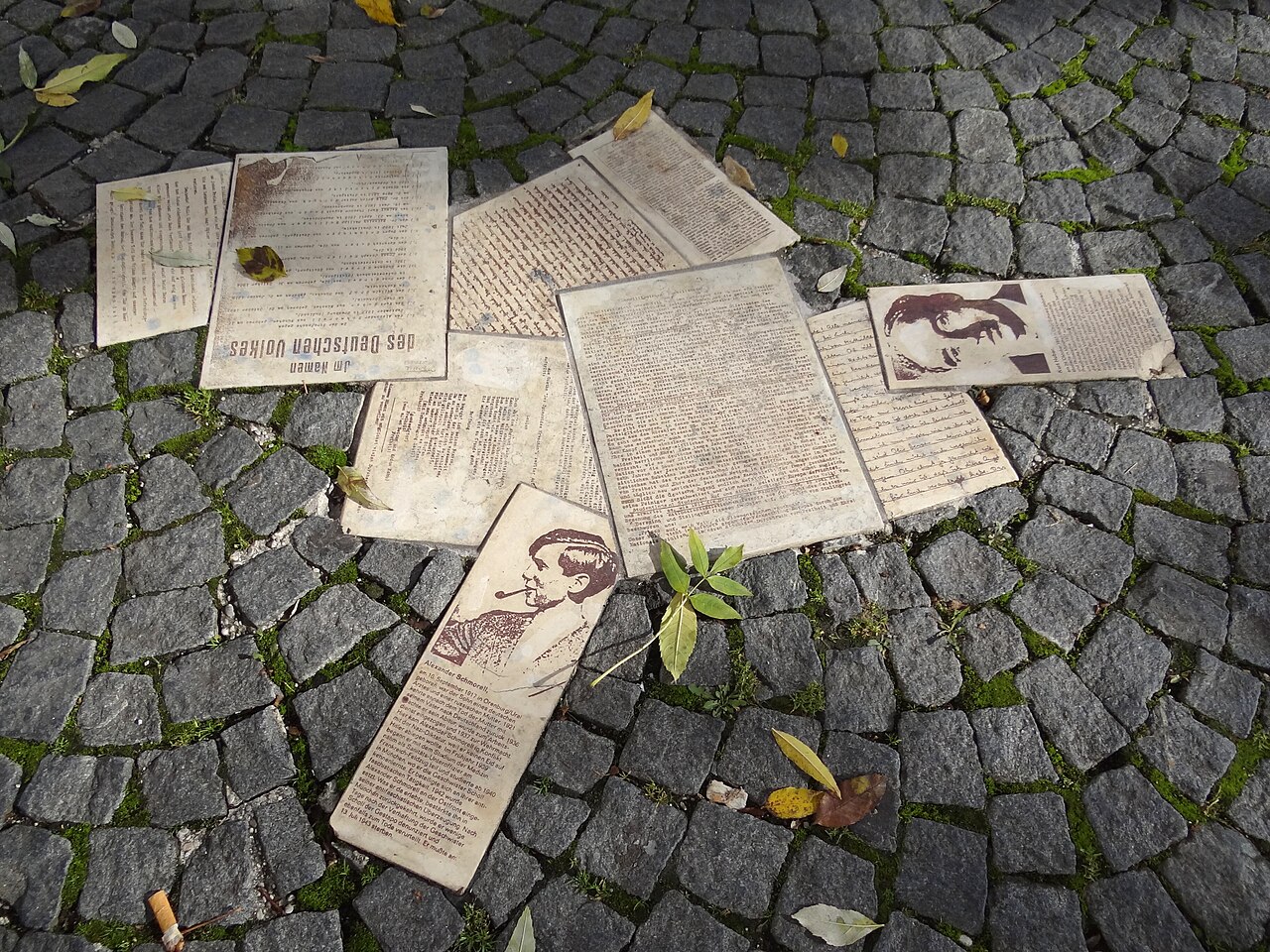
Replicas of White Rose leaflet embedded in the pavement at Ludwig Maximilian University in Munich, marking the site of student resistance at Geschwister-Scholl-Platz. Photograph by Adam Jones, Ph.D. via Wikimedia Commons (CC BY-SA 3.0).
Travelers can visit:
The atrium of Ludwig Maximilian University, where she scattered the leaflets.
The White Rose Memorial in Munich.
Stadelheim Prison Memorial, the site of her execution.
Munich itineraries often concentrate on the rise of National Socialism and the machinery of dictatorship. Integrating White Rose sites introduces documented internal dissent into that narrative. It complicates a story too often reduced to spectacle and mass rally.
For educators and students, that complexity is essential.
Nancy Wake
Resistance in Rural France
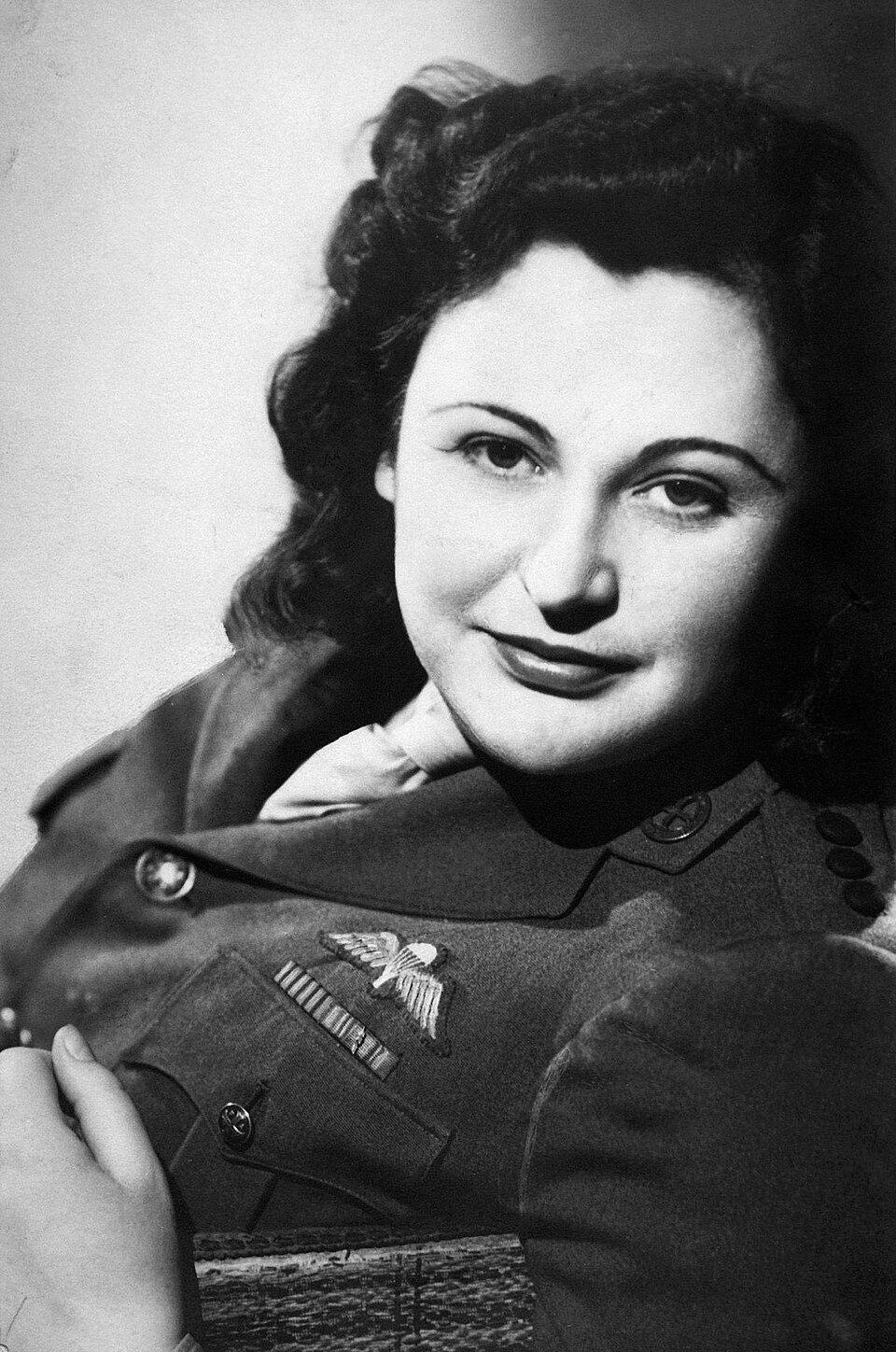
Nancy Wake. Public domain via Australian War Memorial.
Nancy Wake worked with the French Resistance and later the British Special Operations Executive. Operating in occupied France, she coordinated sabotage operations and helped prepare resistance networks ahead of the Allied invasion.
Her work unfolded largely in rural central France, particularly in the Auvergne region around Mont Mouchet, where resistance fighters relied on terrain as much as secrecy.
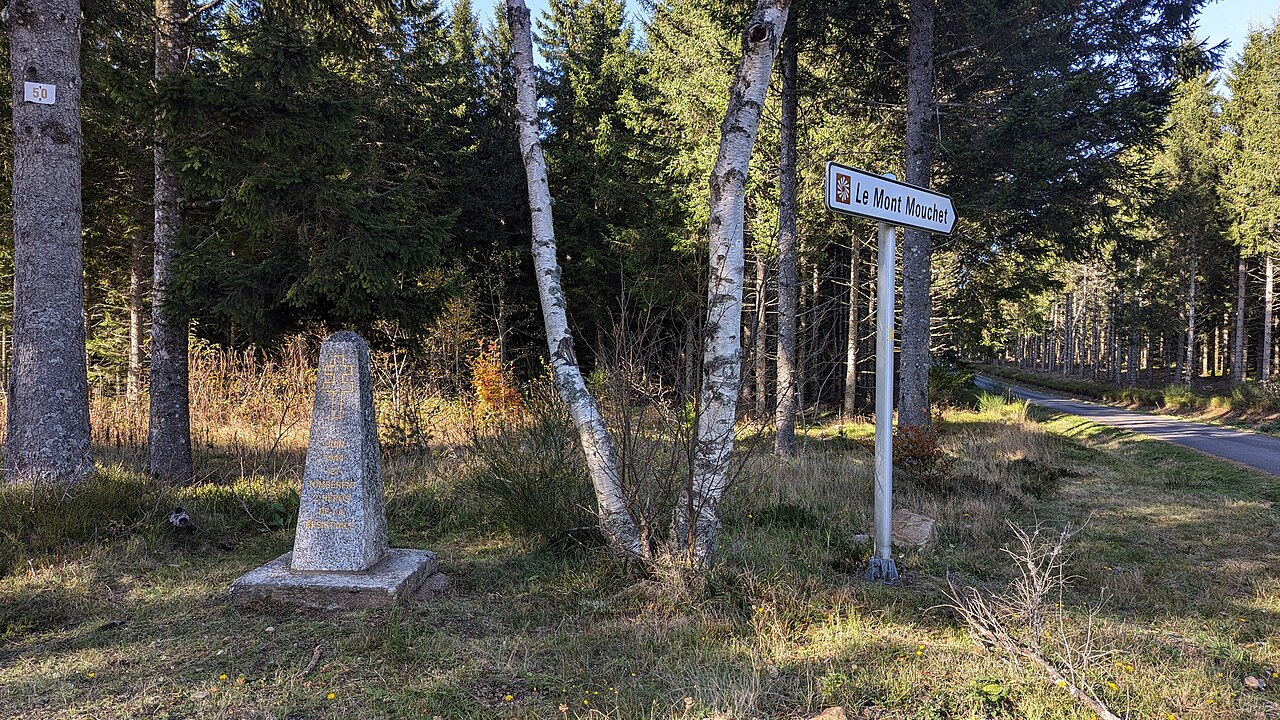
Memorial stele at Mont Mouchet in the Massif Central, marking the 1944 battles between French maquis units and German forces. Photograph by Chabe01 via Wikimedia Commons (CC BY-SA 4.0).
Travelers can visit:
Resistance memorial sites in the Auvergne region.
Musée de la Résistance Nationale in Champigny-sur-Marne.
Unlike monumental battlefields, resistance landscapes are understated - forest paths, rural villages, quiet memorials. Including these locations within Normandy or Paris-focused programs underscores that D-Day did not unfold in isolation. It depended on decentralized networks willing to operate in uncertainty.
Resistance was human, local, and fragile.
Anne Frank
Memory in Amsterdam and Beyond
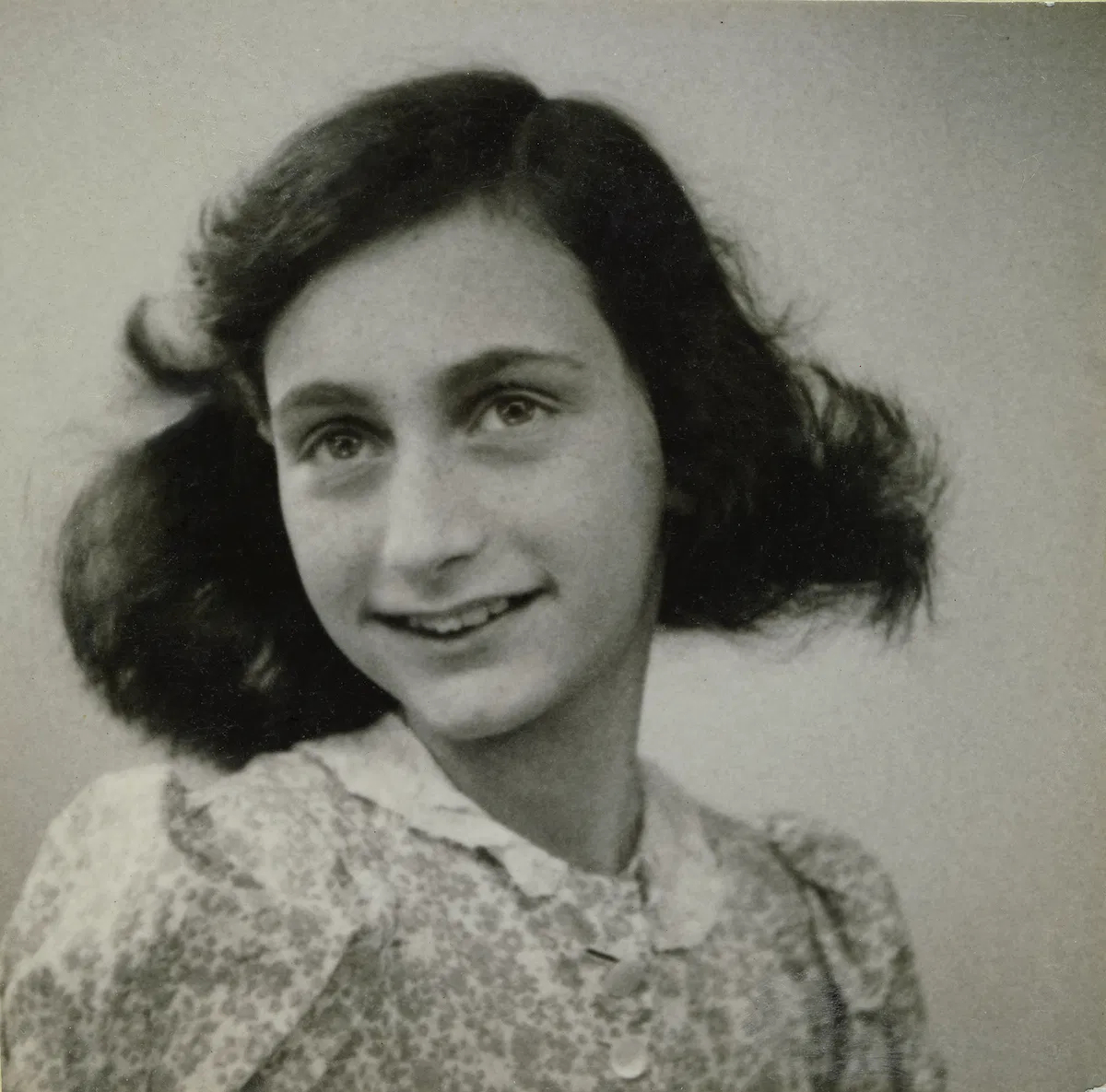
Anne Frank. Public domain via Anne Frank House Collection.
Anne Frank remains one of the most recognized voices of the Holocaust. Between 1942 and 1944, she wrote from hiding in Amsterdam as Nazi occupation intensified. She did not survive the war, but her diary did.
Travelers can visit:
Anne Frank House in Amsterdam.
Westerbork Transit Camp in Drenthe, the Netherlands.
Bergen-Belsen Memorial in Lower Saxony, Germany.
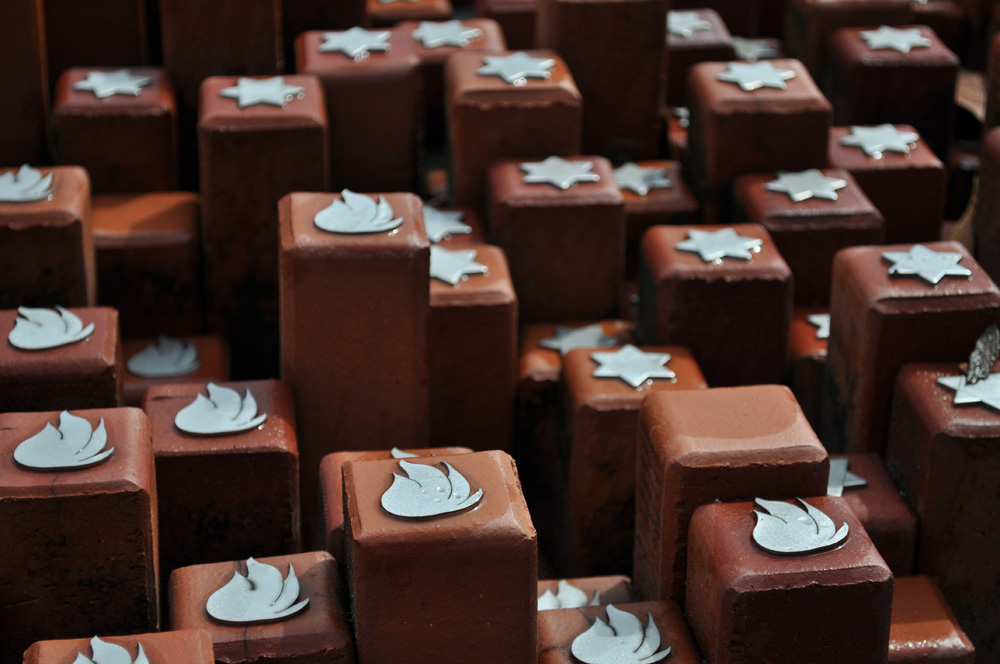
Memorial installation at Westerbork Transit Camp in the Netherlands, from which Anne Frank and her family were deported in 1944. Photograph by Steven Lek via Wikimedia Commons (CC BY 2.0).
Amsterdam itineraries often emphasize canals and Golden Age commerce. Integrating Anne Frank’s story anchors the city in the realities of occupation and deportation. These sites demand restraint; they are not attractions, but confrontations with absence.
For students and educators in particular, they transform abstract numbers into individual experience.
Integrating These Stories into Broader European Itineraries
These women’s lives intersect naturally with:
Western Front programs in Belgium and northern France
Interwar intellectual history in Paris
Nazi-era studies in Munich and Berlin
Holocaust memory in the Netherlands and Germany
Resistance-focused explorations in central France
Incorporating even one of these locations into a broader itinerary expands narrative range. It shifts a program from strictly military history toward a fuller understanding of how war shaped science, resistance, education, identity, and civilian life across Europe.
History was shaped not only in conference rooms and trenches, but also in laboratories, forests, classrooms, and hidden rooms. Europe still holds those spaces.
For educators designing academically rigorous student programs, our guide to teacher-led student travel in Europe outlines how to structure historically grounded itineraries that balance memory, place, and pedagogy.
Bringing These Stories Into Your Classroom and Beyond
At Storied Sojourns Travel, we believe travel becomes most meaningful when it connects people directly to the places where history unfolded. From battlefields and memorials to cafés, museums, artistic districts, and hidden corners of Europe, these locations help students and travelers experience history as something lived rather than simply remembered.
This itinerary could include:
Curie-related sites in Paris and Warsaw
White Rose memorials in Munich
Resistance locations in rural France
Anne Frank House in Amsterdam
Memorial sites tied to resistance, censorship, and cultural transformation
If you are interested in building a historically focused journey through Europe, Storied Sojourns can help design an experience tailored to your students, curriculum, or interests.