
Travel Mishaps That Made Me a Better (and Safer) Traveler
Originally published in 2025. Updated for the Storied Sojourns relaunch.
Header: Travelers walk through the main concourse of O’Hare International Airport in Chicago, illustrating the movement and unpredictability of global travel. Photo by Nicola via Flickr / Wikimedia Commons (CC BY 2.0).
Travel is transformative, but rarely predictable. Even with thoughtful planning, unexpected illnesses, injuries, and unexpected problems can turn a smooth journey into a challenging one. Yet these moments, uncomfortable as they may be, teach us how to travel smarter, prepare better, and understand the world more deeply.
At Storied Sojourns, we believe that travel is a classroom. Every mishap - whether it’s an allergic reaction in China, food poisoning far from a hospital, or a fractured ankle in Mexico - holds a lesson that can make us more resilient, capable, and confident travelers.
Below are a few of the lessons I’ve learned the hard way.
Traveler's Diarrhea (Montezuma’s Revenge) in China
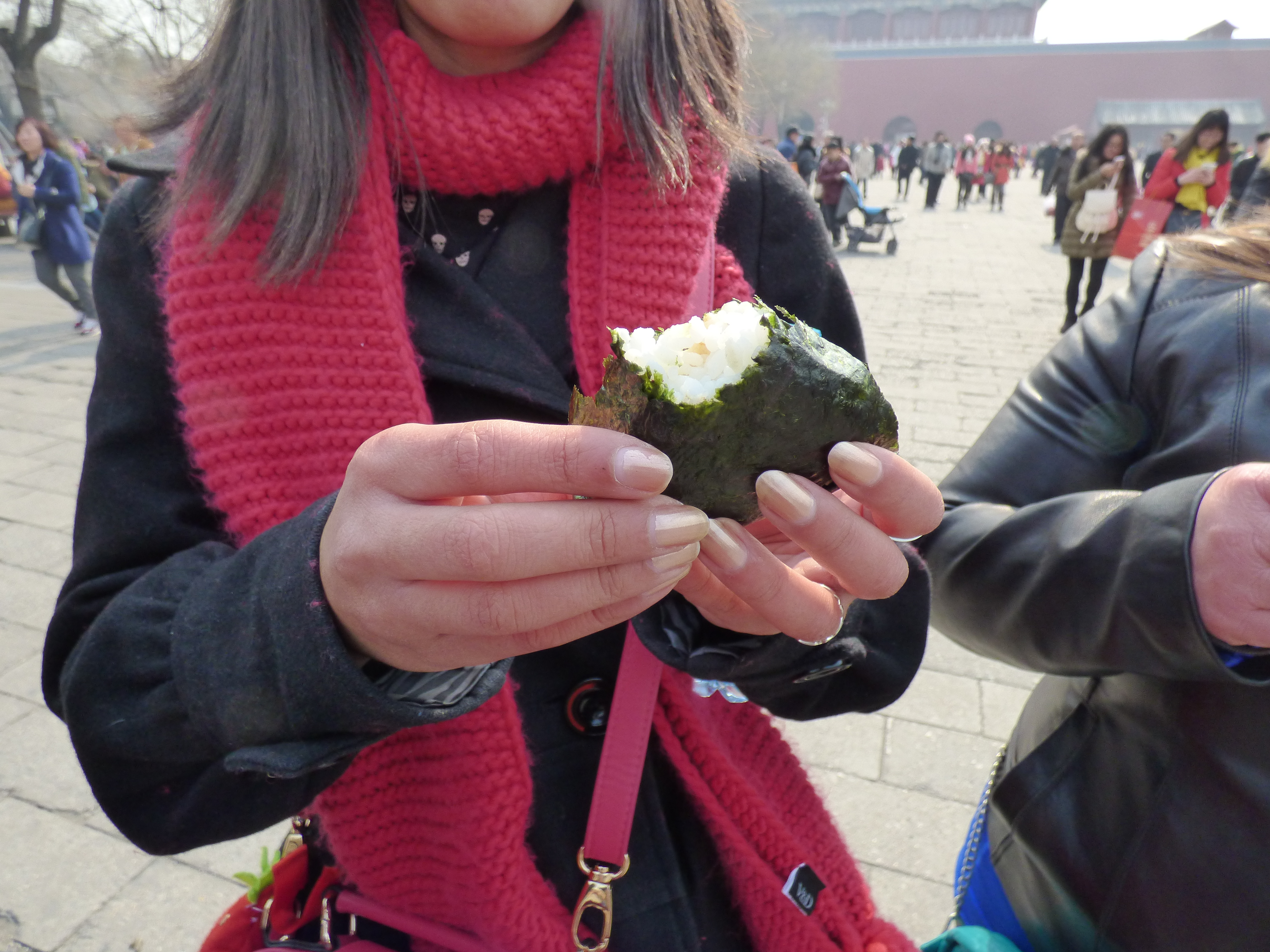
Trying a seaweed snack near the Forbidden City in Beijing, China. Street food and local specialties are often highlights of travel - but they can occasionally come with unexpected consequences. Photo © Scott Rick.
Although “Montezuma’s Revenge” is usually associated with Mexico, my most severe bout of traveler’s diarrhea happened thousands of miles away - in China, at a crowded street market.
Something I ate clearly didn’t agree with me, and within hours I was battling stomach cramps, nausea, and the kind of urgent diarrhea that brings sightseeing to an abrupt halt. Fortunately, at least in a strange way, I’ve always had stomach issues, so I never travel without two essentials: antidiarrheal medication and a bag containing toilet paper.
That day, both proved invaluable.
What to remember...
Traveler’s diarrhea can happen anywhere, not only where you expect it.
Carry electrolyte packets, rehydration salts, and something to calm your stomach.
Always keep toilet paper or tissues with you - they’re useful in more places than you think.
Food Poisoning and Influenza in the United States
Food-related illness is often associated with international travel, but food poisoning can strike even in the United States. When I was a child, my family stopped at a restaurant the night before our vacation to South Dakota. Within days, I was violently sick with food poisoning and influenza at the same time.

Panoramic view of the Grand Canyon in Arizona with layered red rock cliffs, desert vegetation, and a clear blue sky. Photo © Scott Rick.
I had a fever of 103 degrees and only faint memories of driving from town to town while my mom and uncle searched for a doctor or hospital. My mother recently reminded me that at one point, someone even suggested taking me to a medicine man.
It was miserable, but unforgettable - and it taught me early that domestic travel is not always safer than international travel.
What to remember...
Don’t assume “home” equals “safe.”
Watch for signs of poor food handling: lukewarm buffets, questionable smells, dirty prep areas.
If something tastes off, stop eating immediately.
A high fever means the situation is serious.
Know emergency medical options before you need them.
Allergic Reactions in China

View from the East Gate of Xi’an’s historic city wall overlooking an avenue and traditional-style buildings in Xi’an, Shaanxi Province, China. Photo © Scott Rick.
Sometimes you learn from your own experience; sometimes you learn from someone else’s. On my first visit to China, I traveled with a group of 30 students. Only two of us escaped unscathed. The rest suffered allergic reactions to the heavy pollution in Shanghai.
My girlfriend at the time broke out in severe hives across her legs. One of my friends developed an eye infection so bad that he could barely open one eye.
This trip showed me that environmental factors, not just food, can trigger allergic or immune reactions abroad. It also reaffirmed my belief that antihistamines belong in every traveler’s bag.
What to remember...
Environmental allergies abroad may present differently than at home.
Air quality, pollution, and local flora can trigger unexpected reactions.
Learn the local words for “allergy,” “hospital,” “medicine,” and “urgent.”
Always carry antihistamines, even if you rarely need them at home.
Fractured Ankle and Lost Glasses in Mexico

Rocky shoreline and turquoise water at Conchas Chinas Beach near Puerto Vallarta, Mexico, with Sierra Madre mountains in the distance. Photo © Scott Rick.
Mexico is where I learned two painful lessons at once: how vital travel insurance is, and how powerless you feel when you lose the ability to see clearly abroad.
While traveling, I fractured my ankle - the sort of sudden injury that instantly changes your ability to move and participate in daily activities. As if that weren’t enough, I also lost my glasses, leaving me hobbling around barely able to see.
I had no travel insurance at the time. That meant I couldn’t risk seeking medical care, not because it wasn’t available, but because I couldn’t afford the financial uncertainty. My mother tried to send replacement glasses, but they were confiscated by customs for reasons still unknown. I returned to the United States before the glasses ever managed to arrive in Mexico.
What to remember...
Always carry a backup pair of glasses, or at least a copy of your prescription.
Travel insurance is not optional; it is essential.
Injuries abroad require prompt care; ignoring them risks long-term damage.
Customs delays are unpredictable - never rely on emergency shipments.
Injured Back in Israel
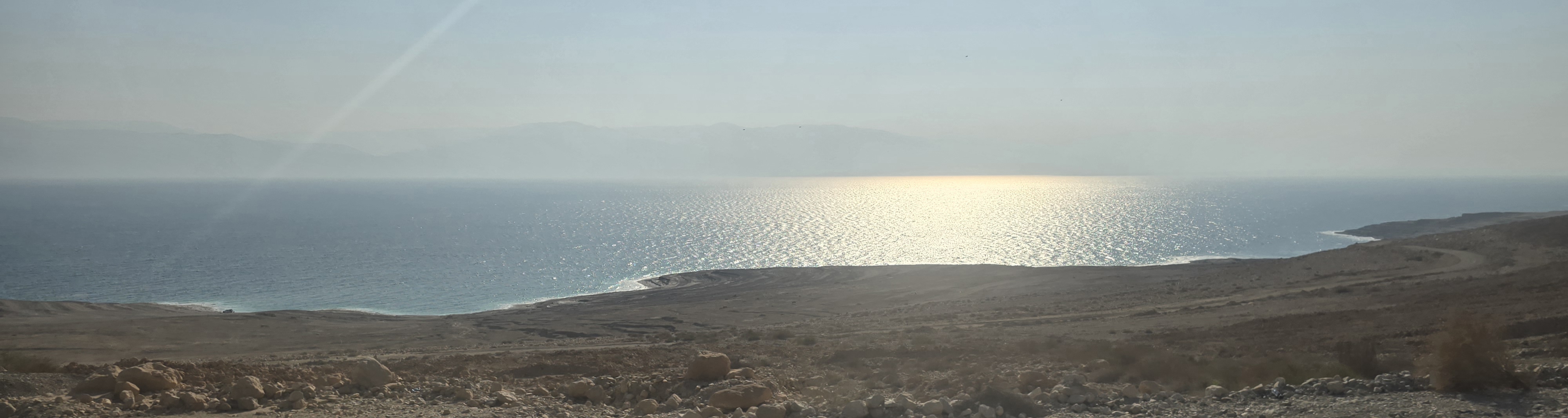
Desert hills overlooking the Dead Sea near Masada, Israel, with rocky terrain and a coastal road under bright sunlight. Photo © Scott Rick.
Back injuries are uniquely debilitating. Unlike a cut or sprain, back pain follows you everywhere - on flights, through walking tours, at hotels, during meals, and on every form of transportation.
When I recently injured my back in Israel, I discovered just how quickly pain can take control. Walking was difficult. Sitting was excruciating. Even lying down offered little relief. Israel’s rugged terrain and long sightseeing days didn’t help.
Thankfully, I sought medical care and received medication and exercises to reduce the likelihood of reinjury. But the experience reaffirmed that back pain doesn’t end when the trip ends - it follows you home and lingers long after the suitcase is unpacked.
What to remember...
Stretching before travel days truly helps.
Don’t push through pain; adjust your itinerary.
Luggage technique matters more than most travelers realize.
Pain relievers, OTC or otherwise, can make the difference between coping and collapsing.
Travel Medication: The Unsung Hero
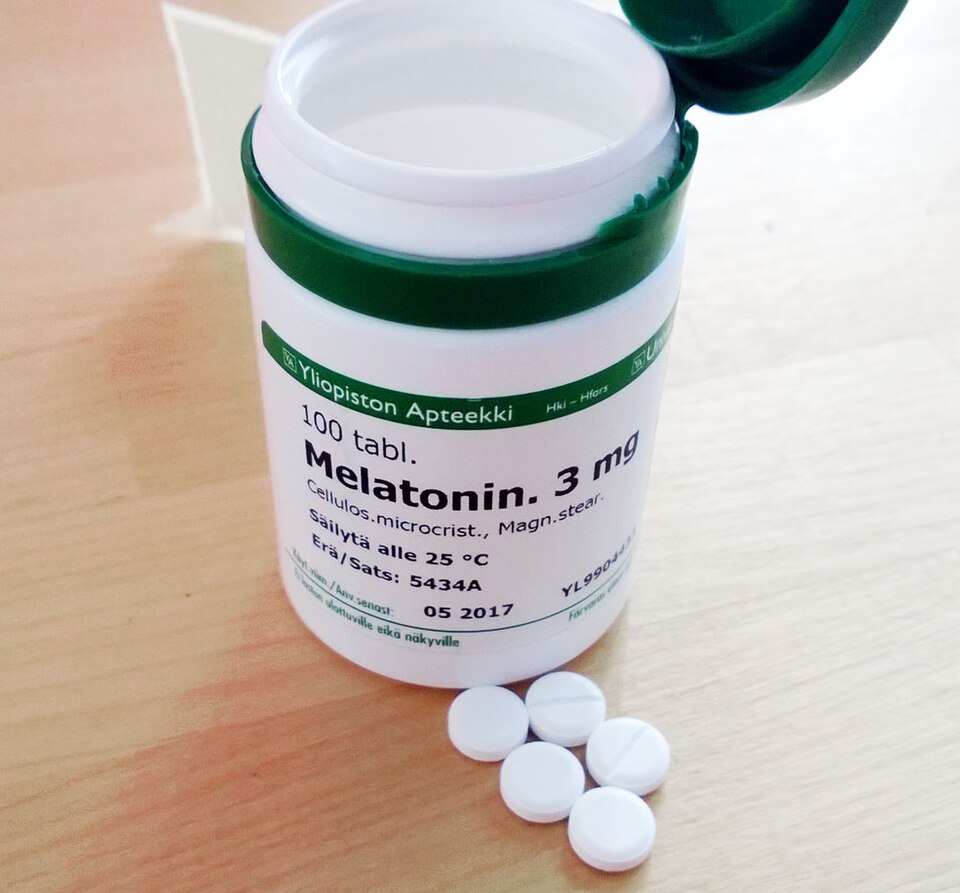
Bottle of Melatonin tablets. Melatonin is widely used by travelers to help regulate sleep cycles and reduce jet lag during long international flights. Photo by Murrur via Wikimedia Commons (CC BY-SA 3.0).
On a recent 12-hour flight from Israel to the United States, I forgot my melatonin. I assumed I’d simply buy some at the Tel Aviv airport - only to discover that Israel classifies melatonin as a drug, meaning it’s not sold over the counter.
Instead, the pharmacist offered prescription sleeping pills, which I didn’t feel comfortable taking. As a result, I faced a long international flight without the ability to sleep.
It was a minor inconvenience, but it reinforced a major lesson: medication matters, and different countries have dramatically different rules.
What to remember...
Bring more medication than the length of your trip.
Keep prescriptions in your carry-on, never your checked luggage.
Photograph your prescriptions and store them in the cloud.
Carry a lightweight first-aid kit for everyday issues.
Research pharmacy laws and availability before traveling.
Travel Isn’t About Perfection - It’s About Preparation
Every traveler eventually faces something going wrong. What matters isn’t avoiding every mishap - it’s how you prepare, how you respond, and how you share what you’ve learned.
At Storied Sojourns, we believe travel isn’t just about discovering the world. It’s about discovering your own resilience. The stories above - whether about food poisoning in South Dakota, allergic reactions in China, fractured ankles in Mexico, or back injuries in Israel - are all part of a larger journey toward wiser, safer, more intentional travel.
If you’ve faced a travel mishap of your own, I’d love to hear your story. And if you’re planning your next adventure, I’m here to help you travel not just boldly, but smartly.