Respecting the Front Lines: Staying Safe at Europe’s Historic Battlefields
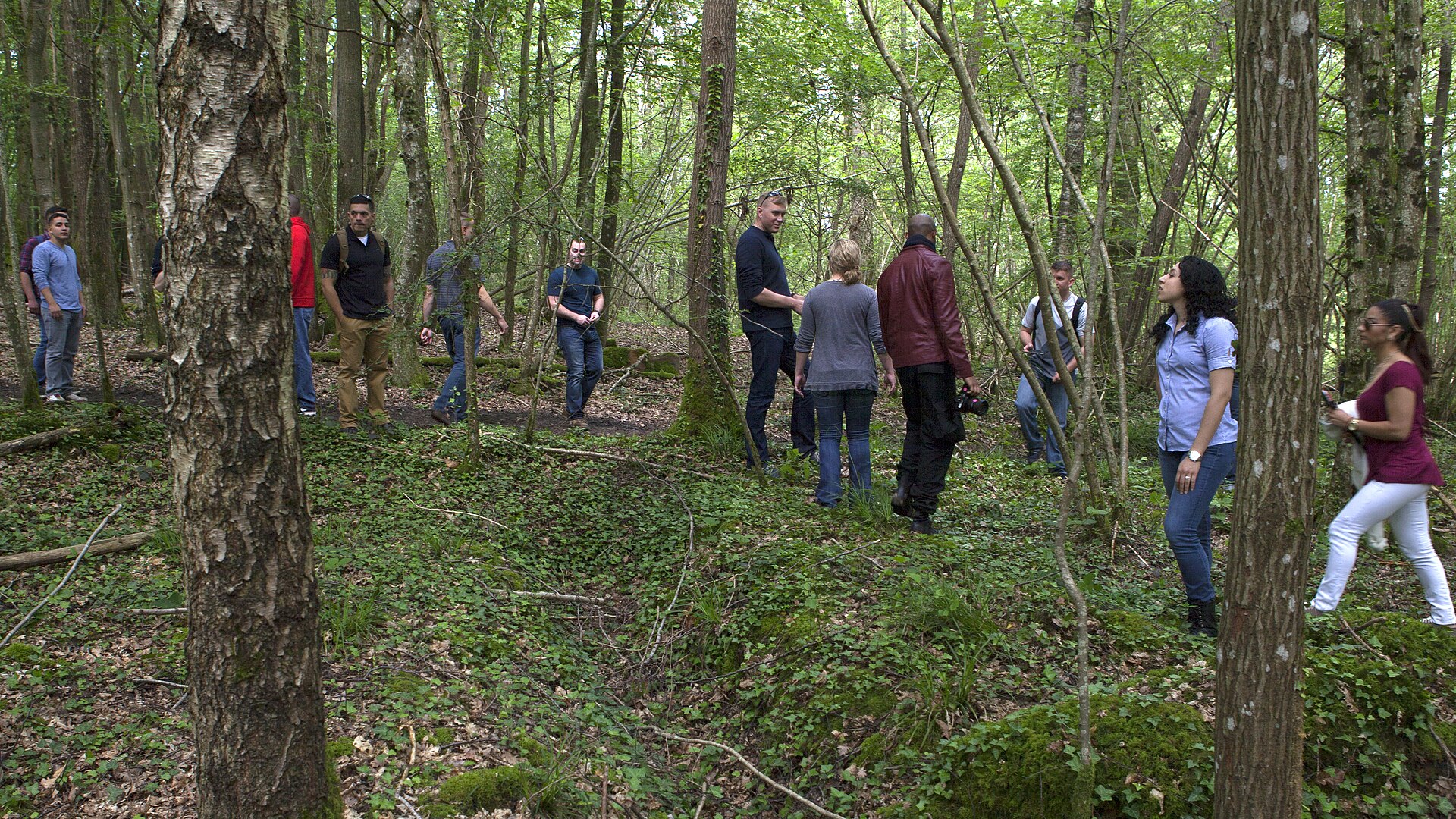
Header: Guided battlefield visits can help travelers and students better understand how traces of the First World War still remain embedded within Europe’s forests and landscapes. U.S. Marine Corps photo by Sgt. Melissa Karnath (public domain).
For many travelers, visiting Europe’s battlefields is one of the most powerful ways to understand the history of the early twentieth century.
Looking across the poppy-covered fields of Ypres. Walking through the once-ruined streets of Guernica. Overlooking the beaches of Normandy.
These experiences can transform history from something distant and abstract into something immediate and deeply human.
But Europe’s battlefields are not museums. They are living landscapes - places where war physically reshaped the earth itself.
In some regions, the scars of conflict remain visible more than a century later. Trenches still cut through forests, concrete bunkers erode from coastal cliffs, and farmers continue to uncover artillery shells while plowing fields once devastated by the First World War.
Travelers visiting these sites should approach them not only with curiosity, but also with caution and respect.
The War Beneath the Soil
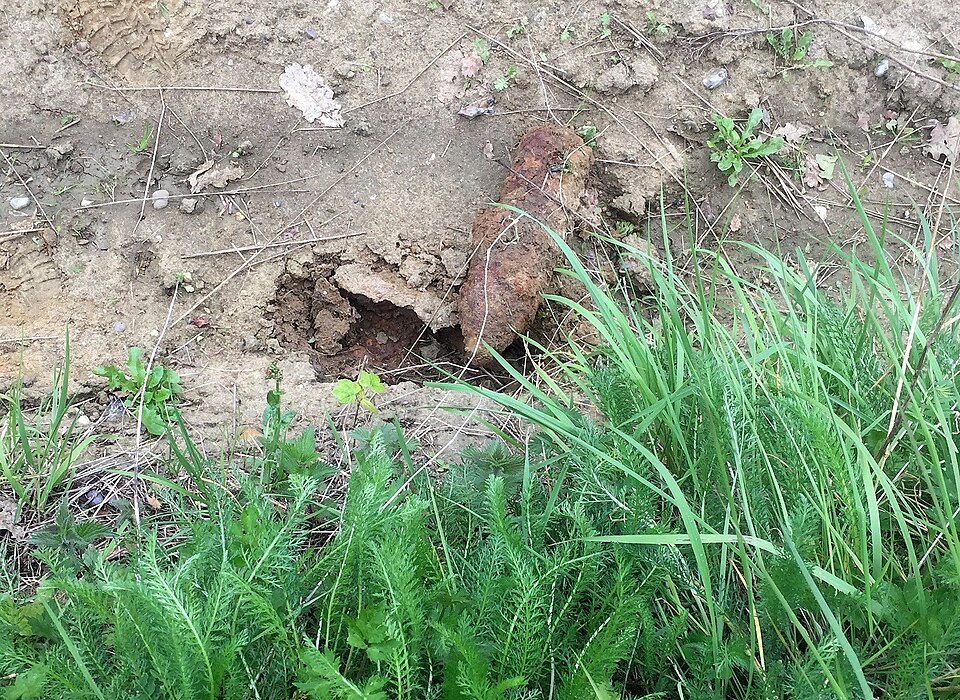
A World War I battlefield artifact discovered near Hill 60 in Ypres, Belgium, in 2015. Even today, remnants of the war continue to surface across former battlefields in parts of Europe. Photo by ViennaUK (CC BY-SA 4.0).
One of the least understood realities of visiting historic battlefields is that remnants of war still remain underground - and sometimes aboveground - across parts of Europe.
World War I ravaged large swathes of Europe, particularly in France and Belgium.
For example, Zone rouge (“Red Zone”) is an area of land in northeastern France extending more than 460 square miles (1,200 square kilometers) that was deemed unsuitable for human habitation in the aftermath of the war due to contamination by poisons, unexploded shells, and the presence of mines.
In some forests near Verdun, visitors can still see craters left by artillery fire more than a century ago. Each year, thousands of unexploded artillery shells continue to surface in what is often referred to as the “Iron Harvest.”
Some of these munitions remain dangerous even after more than one hundred years underground.
For travelers, the lesson is simple: if you encounter unexploded objects, rusted shells, or unfamiliar metallic debris, do not touch them. Even seemingly harmless battlefield relics may still contain explosives or chemical agents.
Instead, remain on marked paths and notify local authorities or site staff if necessary.
For many visitors, this reality can feel startling at first. Yet it also serves as a sobering reminder that wars do not simply disappear when treaties are signed. Their effects linger physically within the landscape itself.
Trenches, Bunkers, and Hidden Dangers
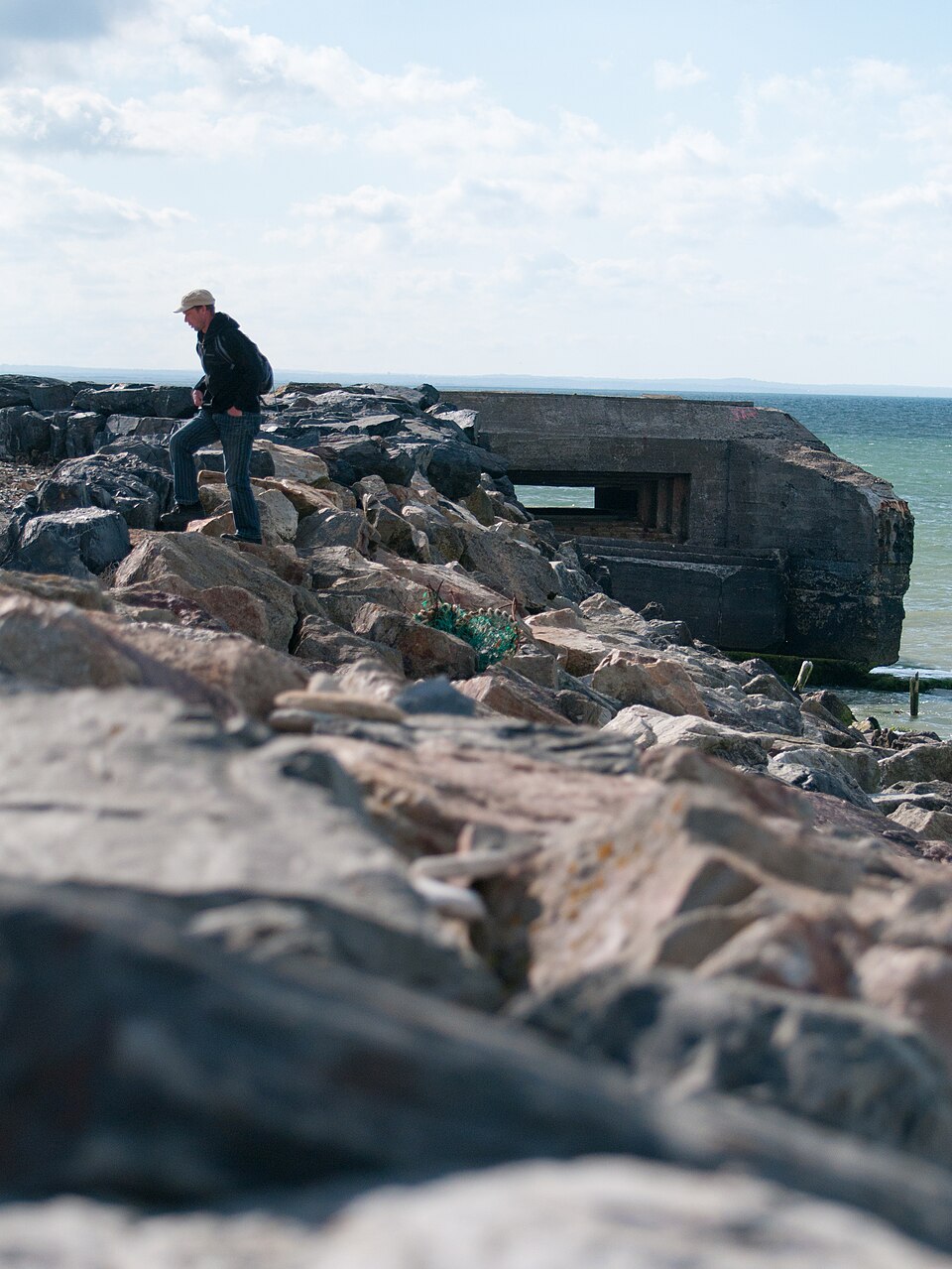
Preserved coastal fortifications from the Second World War remain visible across parts of Normandy, where rugged terrain and aging structures continue to shape the battlefield travel experience. Photo by Archangel12 (CC BY 2.0).
Many travelers understandably want to explore preserved trenches, tunnels, and wartime fortifications. These structures can provide extraordinary insight into the conditions soldiers endured during the First and Second World Wars.
At sites like the Beaumont-Hamel Newfoundland Memorial, visitors can still walk among preserved trench systems shaped by the fighting of the Somme campaign in 1916. Along the Atlantic coast, massive Second World War bunkers continue to stand as reminders of Nazi Germany’s defensive networks.
However, these locations can also present physical hazards.
Historic trenches often contain uneven ground, deep mud, hidden roots, or steep drops. Older tunnels and bunkers can suffer from poor lighting, unstable surfaces, flooding, or structural deterioration.
This is especially true in remote areas or lesser-developed sites where preservation efforts may be limited.
Travelers visiting these locations should consider:
wearing proper footwear with strong traction
bringing water during warmer months
carrying a flashlight (or headlamp when permitted)
avoiding restricted or closed-off areas
choosing guided tours when possible
Some of the most memorable battlefield experiences occur far from major cities or tourist infrastructure. Preparation matters.
Respecting Memorial Landscapes
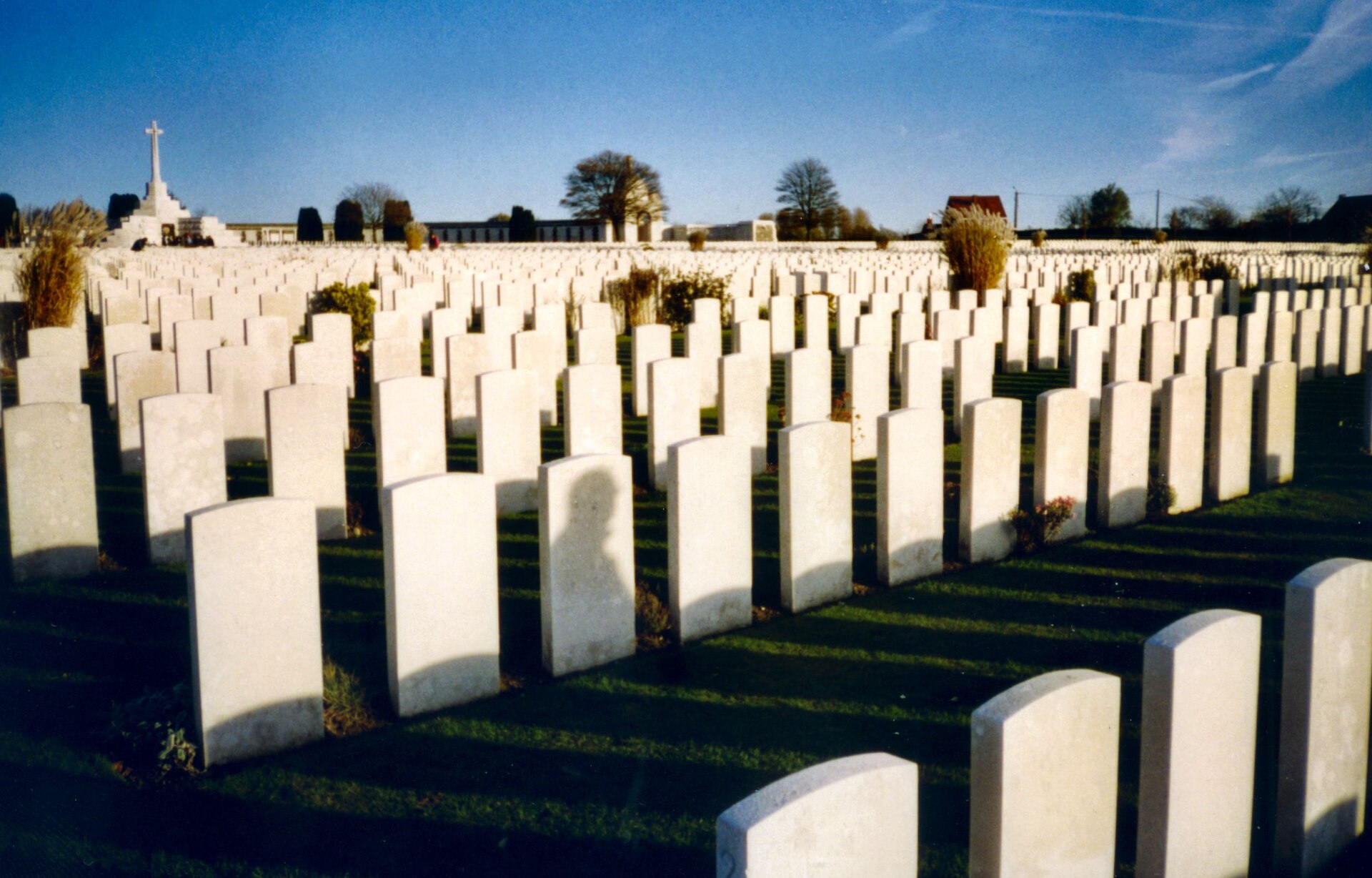
Military cemeteries across Europe continue to serve as places of remembrance for families, local communities, and travelers seeking to better understand the human realities of war. Photo by Redvers (public domain).
Europe’s battlefields are not only historical sites. Many are also places of mourning.
Across the former front lines of the First and Second World Wars, cemeteries, memorials, and preserved battle zones continue to hold deep emotional importance for families and local communities.
Sites such as the Fort Douaumont Ossuary in France or the Ardennes American Cemetery in Belgium are not simply attractions. They are places where descendants still come to remember relatives who never returned home.
Travelers should approach these areas with the same respect they would show at any cemetery or memorial. For many local communities, this is not distant history. It is the field where a grandparent fought, the forest where a relative disappeared, or the cemetery where a family member never came home.
That includes:
avoiding climbing on monuments
keeping noise levels low
dressing appropriately
refraining from removing artifacts from the landscape
In some regions, artifact collection from battlefields is also illegal.
Even when objects appear abandoned, they may carry historical, archaeological, or personal significance. Occasionally, human remains are still discovered in former combat zones, especially after storms, construction work, or agricultural activity.
The landscapes of war still hold stories that have not fully surfaced.
Nature Has Reclaimed Many Battlefields
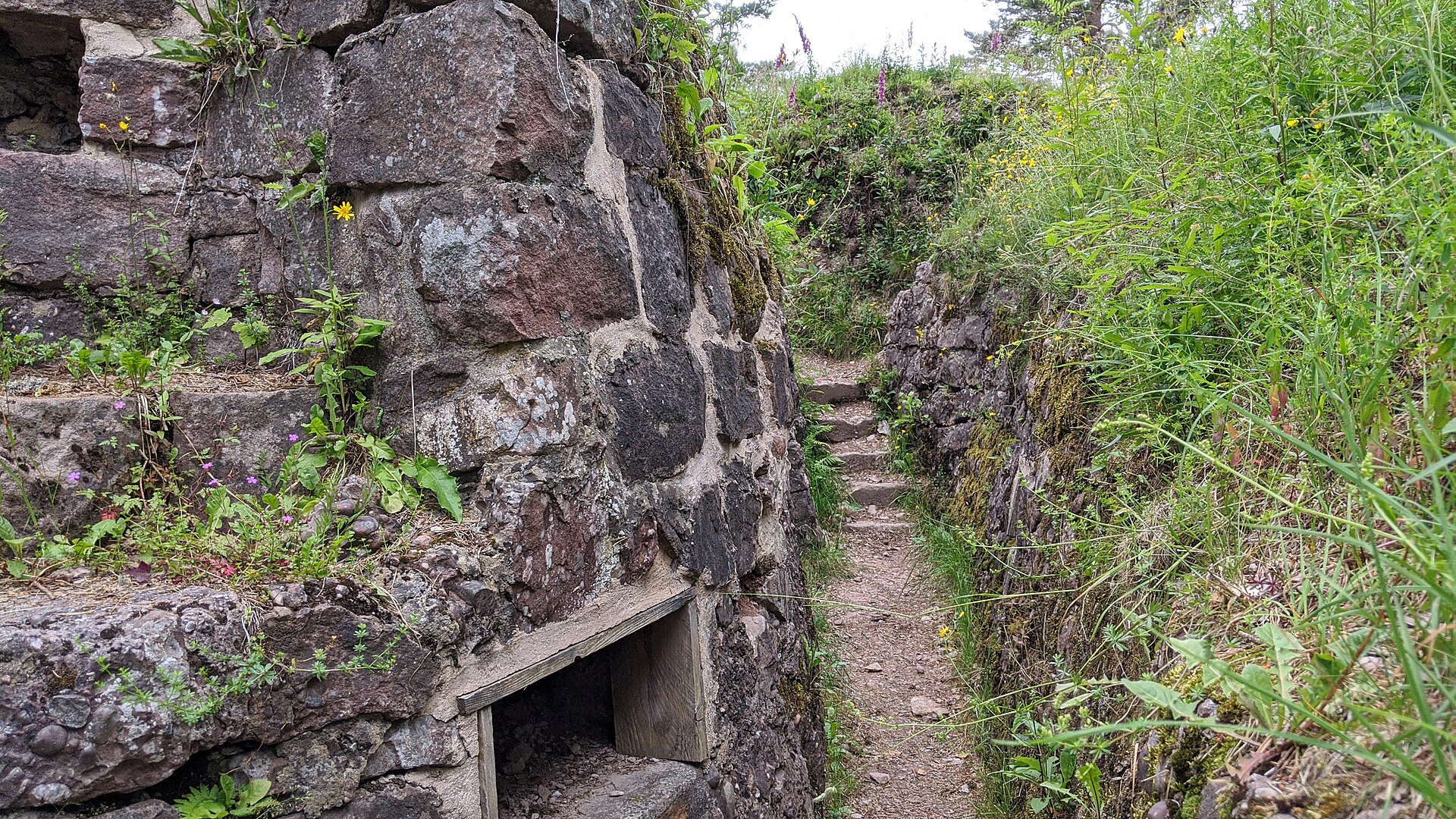
Nature has gradually reclaimed many former battlefields across Europe, though traces of wartime fortifications and trench systems still remain visible across the landscape. Photo by Michael Schmalenstroer (CC BY-SA 4.0).
One of the most striking aspects of visiting Europe’s historic battlefields is how nature has transformed them over time.
Forests now cover areas once devastated by shellfire. Wildflowers grow across former trenches. Birds sing above places where artillery once thundered day and night.
At locations such as the forests of the Ardennes or former Alpine front lines in Italy and Austria, travelers often encounter a strange mixture of beauty and memory.
As a result, these landscapes can still be physically demanding.
Battlefield terrain is often uneven, isolated, and difficult to navigate. Weather conditions may change rapidly, particularly in mountainous regions. Travelers should research conditions beforehand and recognize that some locations are better suited to experienced hikers or guided excursions.
The silence of these places can make it easy to forget how dangerous they once were - and remain now.
Why Guided Battlefield Visits Matter
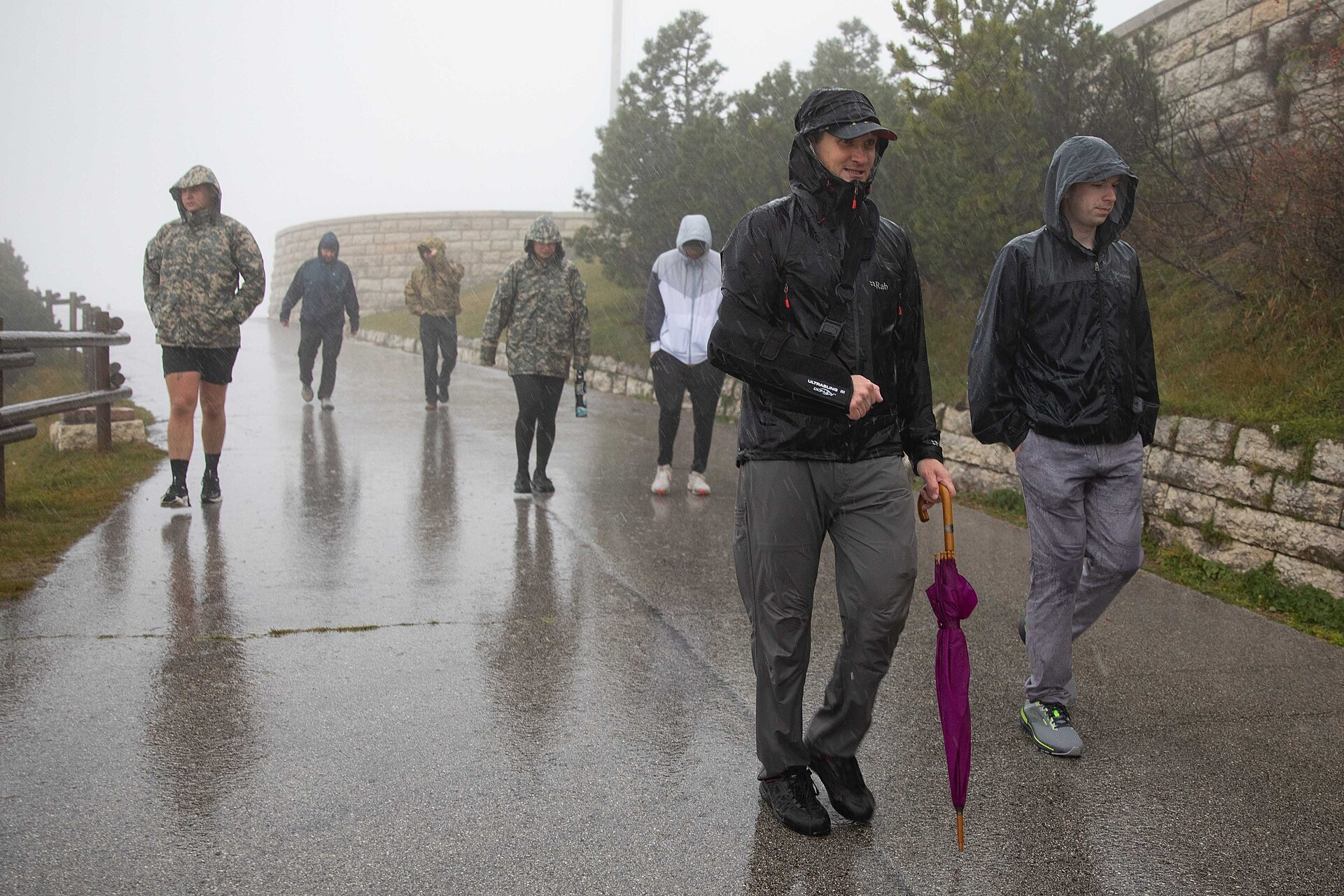
Guided battlefield visits can help travelers and students better understand the geography, human experiences, and historical context surrounding major conflicts across Europe. U.S. Army photo by Sgt. Bobbi-Jo McGinley (public domain).
One of the best ways to safely and meaningfully experience Europe’s historic battlefields is through knowledgeable local guides and carefully planned itineraries.
Experienced local battlefield guides can help travelers:
navigate safely
understand historical context
identify overlooked details
connect military history to broader human stories
A field that appears ordinary at first glance may have witnessed a major offensive, a desperate defense, or the final moments of an entire generation.
Without context, these landscapes can seem quiet.
With context, they become unforgettable.
For educators especially, guided visits can help students engage with history not simply as military chronology, but as lived human experience shaped by geography, technology, politics, and memory.
The Landscape Remembers
Traveling through Europe’s battlefields can be deeply rewarding.
These sites offer opportunities to better understand the realities of war, the experiences of ordinary people, and the immense scale of the conflicts that shaped the modern world.
They also deserve care.
The dangers that remain on some battlefields remind us that war leaves traces long after the fighting ends. Soil remembers. Forests remember. Communities remember.
As travelers, our responsibility is not only to learn from these places, but also to approach them thoughtfully, safely, and respectfully.
That is part of what makes historical travel meaningful in the first place.
Bringing These Stories Into Your Classroom and Beyond
At Storied Sojourns Travel, we believe travel becomes most meaningful when it connects people directly to the places where history unfolded. From battlefields and memorials to cafés, museums, artistic districts, and hidden corners of Europe, these locations help students and travelers experience history as something lived rather than simply remembered.
This itinerary could include:
the battlefields and cemeteries of Western Europe
village memorials across France, Belgium, and England
Normandy's landing beaches and fortifications
preserved trench systems, bunkers, and wartime fortifications
memorial sites tied to resistance, censorship, and cultural transformation
If you are interested in building a historically focused journey through Europe, Storied Sojourns can help design an experience tailored to your students, curriculum, or interests.