From Idea to Embarkation: Planning Your European River Cruise with Storied Sojourns
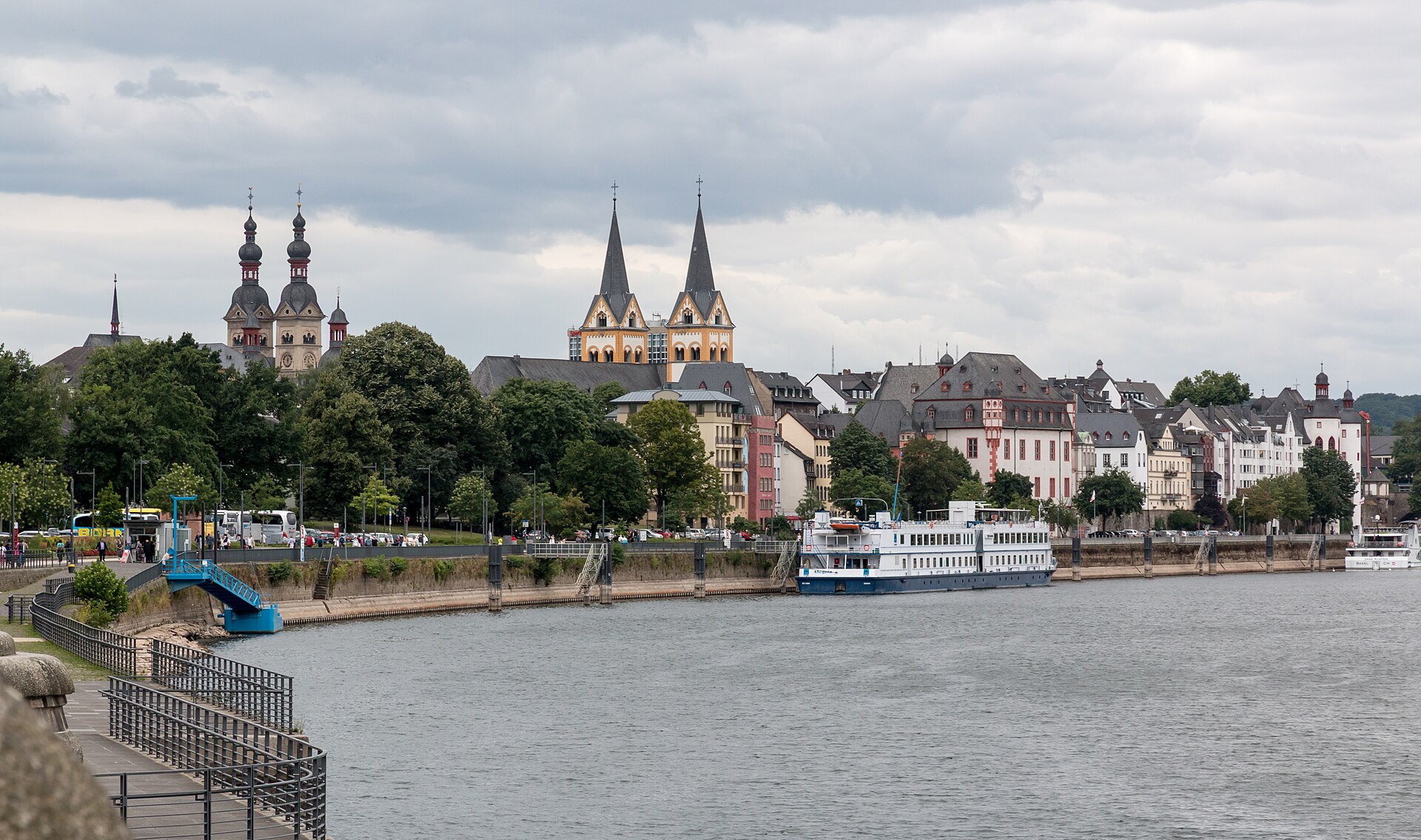
Header: A river cruise along the Moselle in Koblenz, Germany, offers a glimpse of how Europe’s waterways connect travelers with historic cities, landscapes, and centuries of history. Photo by Dietmar Rabich (CC BY-SA 4.0).
There is something wonderfully simple about the idea of a European river cruise.
You unpack once, settle into your cabin, and watch Europe pass outside your window. Instead of spending your vacation navigating train stations, changing hotels, and hauling luggage across cobblestones, your ship carries you from one destination to the next.
Planning the right river cruise, however, can be considerably less simple.
Which river should you choose? Which itinerary fits your interests? Should you travel before or after the cruise? Which excursions are worth your limited time? And how do you turn a cruise itinerary into the kind of journey you will still be talking about years later?
That is where Storied Sojourns Travel comes in.
For travelers planning a European river cruise, it is generally a good idea to begin the process nine to twelve months before you hope to travel - particularly if you are planning around summer vacation. Starting in the fall for a trip the following summer gives us more time to compare itineraries, sailing dates, cabin options, and flights while you still have plenty of choices.
If you have limited travel dates, are traveling with a group, or have a particular itinerary or cabin in mind, beginning even earlier can be worthwhile. And if you are starting later? Don't worry - there may still be excellent options available.
Step One: We Start with Your Story
When you contact Storied Sojourns about a European river cruise, our first question is not, “Which cruise do you want?”
It is, essentially, “What do you want from this trip?”
Maybe you have always wanted to explore the medieval towns of Germany. Perhaps you are fascinated by European history, architecture, food, wine, or art. Or maybe you simply want to experience Europe without changing hotels every few days.
We talk about your interests, preferred travel dates, the amount of time you have available, the pace you enjoy, and the experiences that would make the trip meaningful to you.
We also want to know what you imagine when you picture yourself in Europe. Do you want to wander through medieval towns? Visit museums and historic sites? Spend an afternoon sampling regional food and wine? Explore independently? Or would you rather have much of the experience organized for you?
Those conversations give us a much better starting point than simply searching for cruises that happen to be sailing during your vacation.
The goal is not simply to put you aboard a ship. It is to understand the kind of journey you want to take.
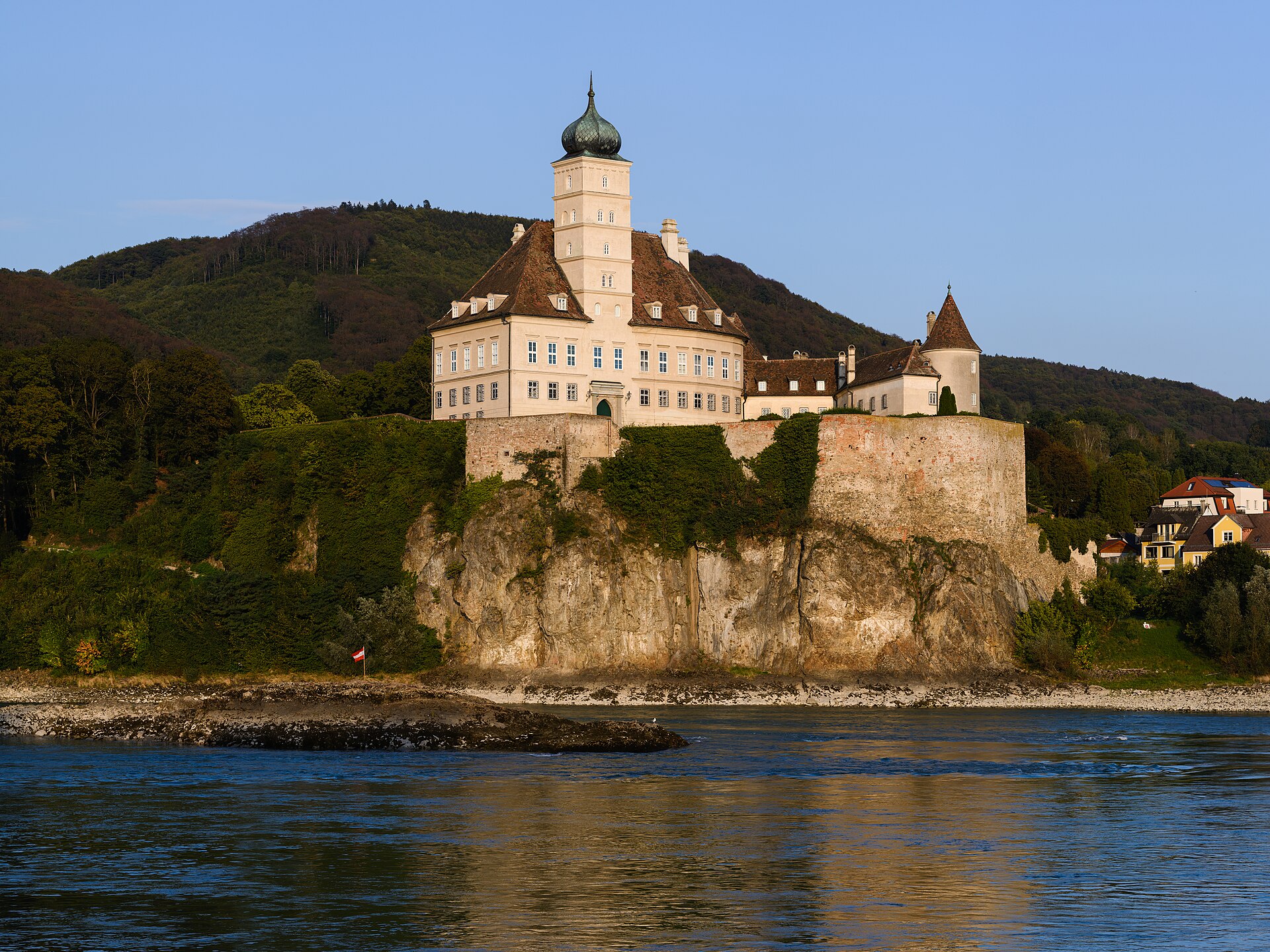
Schönbühel Castle rises above the Danube in Lower Austria, illustrating the historic landscapes travelers can encounter while cruising Europe’s rivers. Photo by Uoaei1 (CC BY-SA 4.0).
Step Two: We Find the Right Itinerary
Once we know what you want from your trip, we can begin looking for the river cruise that best matches those priorities.
And this is where the number of choices can feel overwhelming.
European river cruises are not interchangeable. A journey along the Rhine offers a very different experience from one along the Danube, Seine, Rhône, or Douro. Even two cruises traveling the same river can differ considerably in length, ports of call, included excursions, time spent in each destination, and the overall character of the journey.
We compare those differences with what you told us in our initial conversation.
For a traveler interested in medieval and twentieth-century history, for example, a journey through Germany, France, and Switzerland might rise to the top. An itinerary beginning in Nuremberg and traveling along the Main and Rhine can combine medieval towns, UNESCO World Heritage Sites, grand palaces, historic cities, and places connected to some of the most consequential events in modern European history.
For someone else, the right journey might look completely different. Perhaps it is the imperial history of the Danube, the vineyards and villages of Portugal's Douro Valley, or the art and history found along the Seine.
We help you compare those possibilities, looking not simply at the destinations listed on a map but at the experience each itinerary offers.
After all, the best river cruise is not necessarily the one with the longest list of destinations. It is the one that takes you to the places whose stories you want to discover.
Step Three: We Look Beyond the Port List
A river cruise itinerary tells you where you are going. It does not necessarily tell you how you should spend your time there.
Many cruises offer a combination of included and optional excursions. One traveler might be perfectly happy with a general walking tour. Another may want to spend more time investigating Nuremberg's twentieth-century history. Someone else might prioritize Bamberg's medieval streets, Strasbourg Cathedral, or the villages and landscapes of the Black Forest.
Storied Sojourns helps you examine those choices before you travel.
We will discuss which excursions best match your interests, where you might want additional independent time, and where you may want to explore beyond the included offerings.
For educators and history-minded travelers especially, this can transform the experience. Instead of simply being told that a building is important, you arrive already understanding enough of its story to appreciate why it matters.
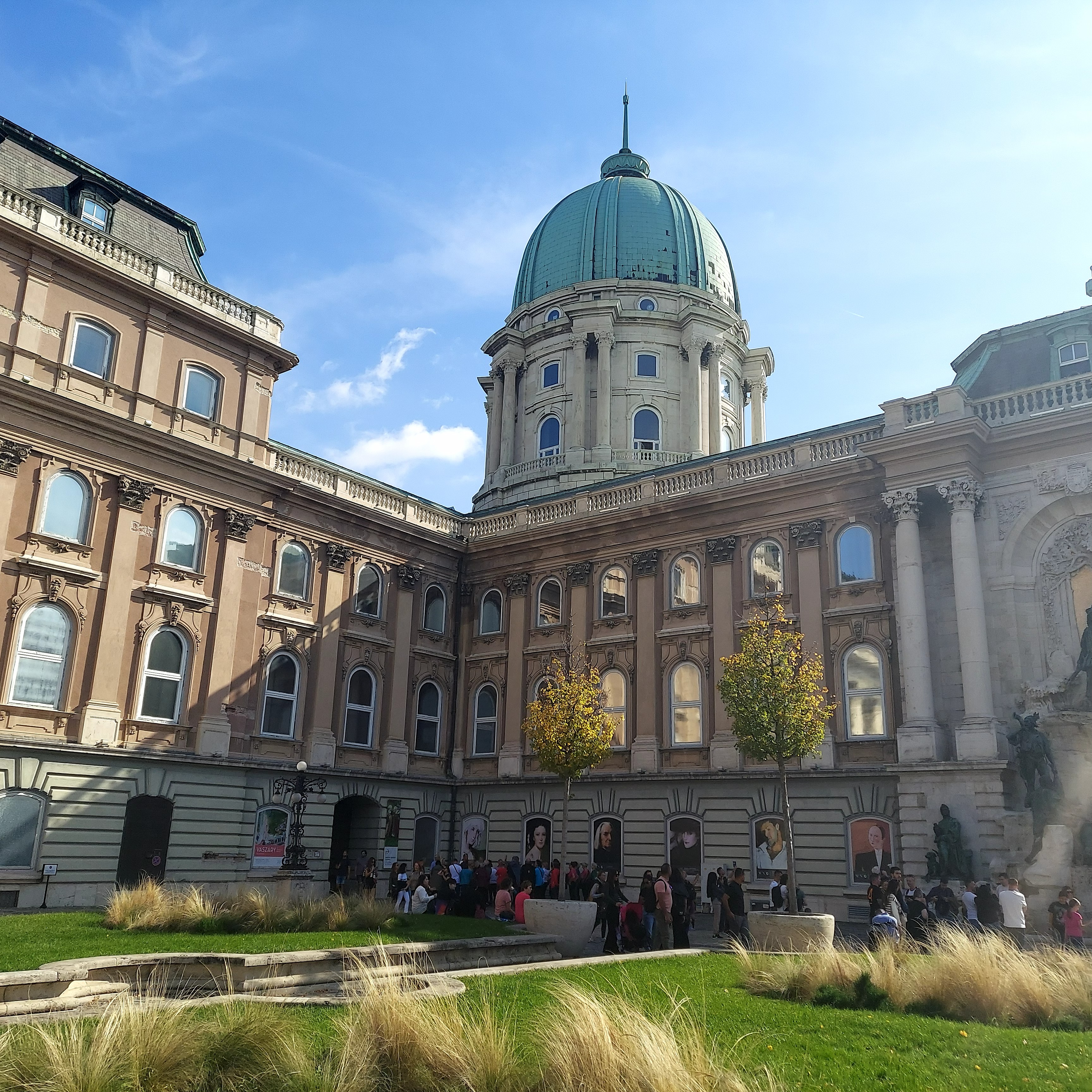
Buda Castle in Budapest is one example of the historic places travelers can explore along Europe’s great rivers. Photo by Scott Rick.
Step Four: We Consider What Happens Before and After the Cruise
One of the easiest mistakes to make when planning a river cruise is treating embarkation and disembarkation as the boundaries of the vacation.
They do not have to be.
Pre- and post-cruise extensions can give you additional time to explore Europe without the constraints of the ship's sailing schedule. Depending on the itinerary and available options, you may be able to add organized extensions through the cruise operator or arrange an independent stay tailored more closely to your interests.
Imagine arriving in Nuremberg several days before embarkation. Rather than seeing the city primarily during a scheduled cruise excursion, you could explore its medieval fortifications, museums, historic center, and sites connected with the Nazi era and postwar trials at your own pace.
At the other end, Basel provides an excellent starting point for further exploration of Switzerland, France, or Germany. You might remain in Switzerland, travel into Alsace, continue toward another European city, or build an entirely different experience onto your cruise.
We can help you decide whether an extension actually improves your trip rather than simply making it longer.
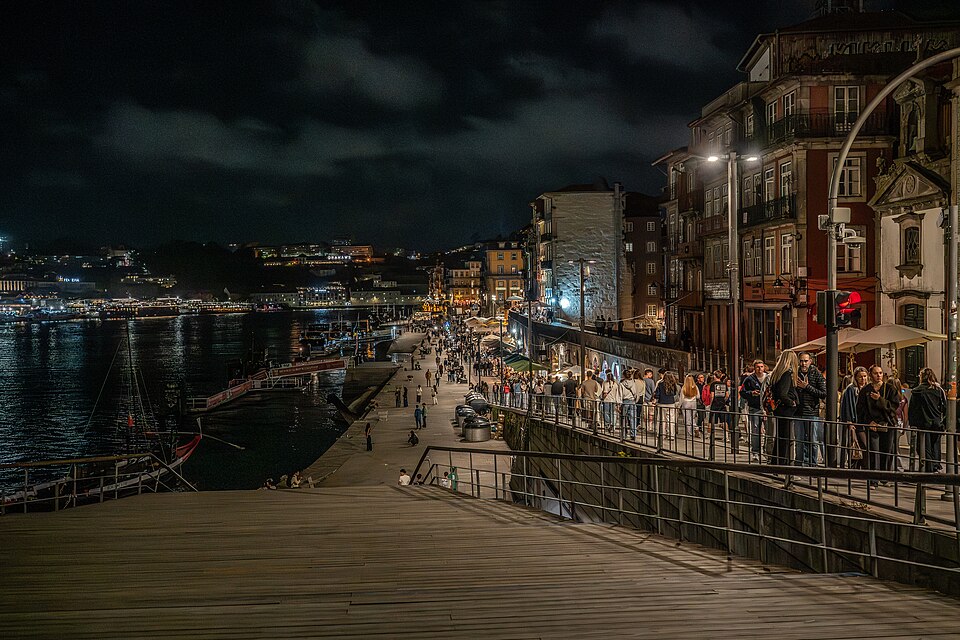
An evening along Porto’s Douro riverfront shows how extra time before or after a river cruise can become part of the journey itself. Photo by Michael Gaylard (CC BY 4.0).
Step Five: We Put the Pieces Together
Once we have identified the right cruise and decided what belongs around it, we begin turning those pieces into a coherent journey.
We can help you consider cabin options, flights, transfers, hotels, travel insurance, excursions, and pre- or post-cruise arrangements. It also means looking at the practical details that are easy to overlook when you are excited about castles, cathedrals, and medieval towns.
The objective is straightforward: by the time you leave home, you should understand what you have booked, what happens next, and where you still have choices.
You remain in control of your vacation. Our role is to make the planning process easier and help you make informed decisions along the way.
Your Journey Should Be More Than an Itinerary
A European river cruise can be one of the most relaxing ways to explore the continent. But the best journeys are about more than collecting ports of call.
They connect places.
Nuremberg leads to Bamberg. Bamberg leads to Würzburg. The Main carries you toward the Rhine. Germany gives way to France, then Switzerland. Medieval towns, imperial cities, cathedrals, palaces, battlefields, food, architecture, and centuries of European history gradually become pieces of one larger story.
At Storied Sojourns Travel, that is exactly what we want to help you discover.
Because your vacation should not simply take you somewhere. It should have a story worth telling when you come home.
Traveling Through History, Not Around It
At Storied Sojourns Travel, we believe travel becomes most meaningful when it connects people directly to the places where history unfolded. From battlefields and memorials to cafés, museums, artistic neighborhoods, and overlooked corners of Europe, these locations help travelers experience history as something lived rather than simply remembered.
A journey built around these stories might explore:
historic cities and towns along Europe’s great rivers
medieval landmarks, UNESCO World Heritage Sites, and places connected to modern European history
regional cultures, traditions, cuisine, and landscapes encountered along the way
destinations explored more deeply through carefully chosen excursions and additional time before or after the cruise
journeys designed around the stories and places most travelers never think to explore
If you are interested in discovering Europe through the history, culture, and overlooked stories that shaped it, Storied Sojourns can help design a journey built around the experiences that matter most to you.