Hidden in Plain Sight: The American Story Beyond the Borders of 1776
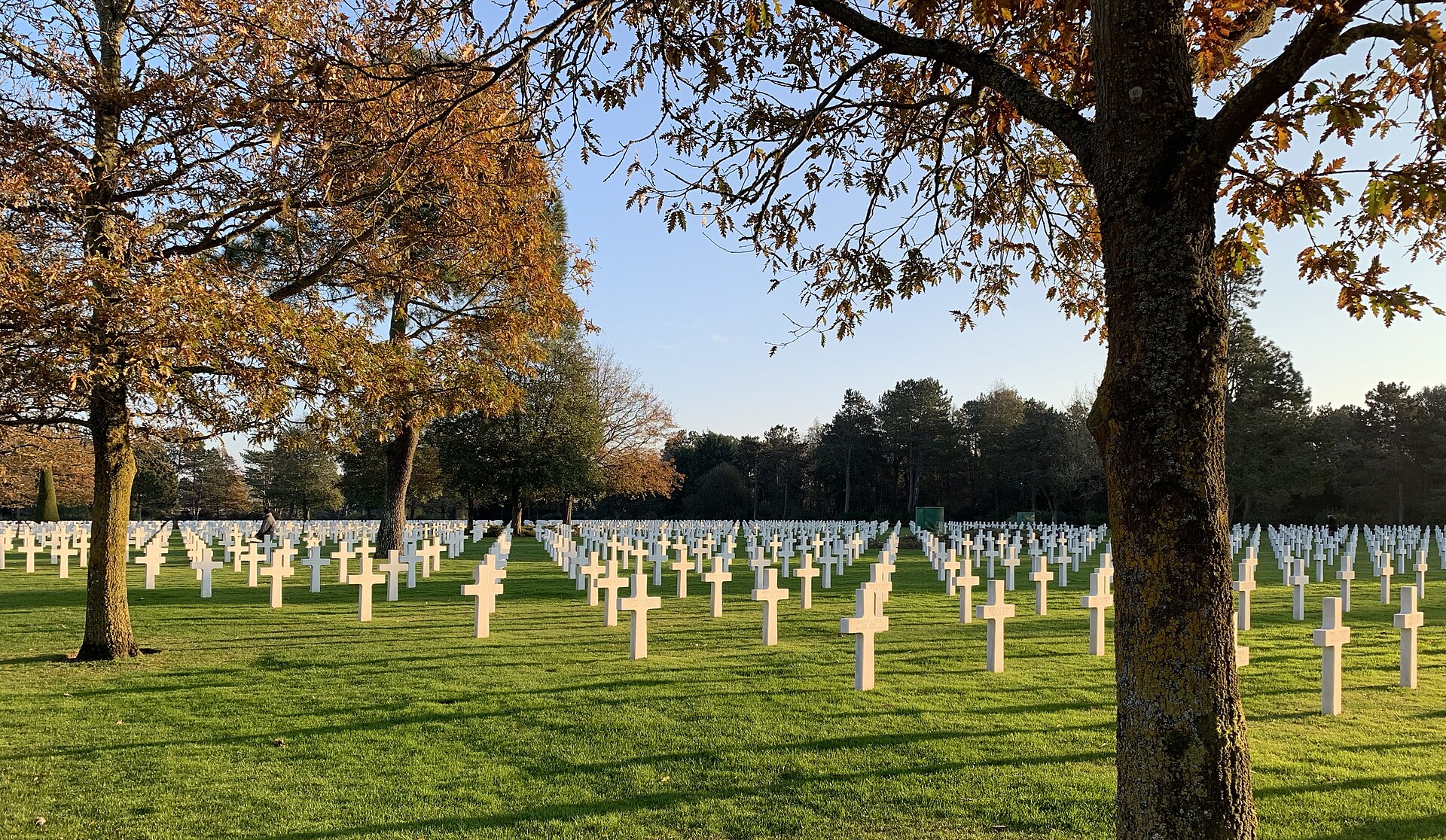
Header: Places like the Normandy American Cemetery remind us that understanding American history sometimes requires looking far beyond the United States itself. Photo by Matthew Eaton (CC BY-SA 4.0).
As the United States approaches its 250th anniversary, many Americans are reflecting on the events, people, and ideals that shaped the nation.
Yet some of the most revealing chapters of the American story unfolded far beyond American shores, in the streets and neighborhoods of Europe where ordinary people quietly helped shape the modern world.
Sometimes, understanding our own history means looking abroad.
f you walk past number 4 Rue de Chevreuse in the Montparnasse district of Paris, you will see a beautiful courtyard that looks like many others in this part of the city. Most people walking down this street are looking for the cafes where Ernest Hemingway or F. Scott Fitzgerald wrote their early stories. It is easy to glance at the stone walls here, think of the famous writers of the 1920s, and keep walking.
But if you stop outside this specific doorway, you are looking at the home of a completely different group of Americans who came to France during the First World War.
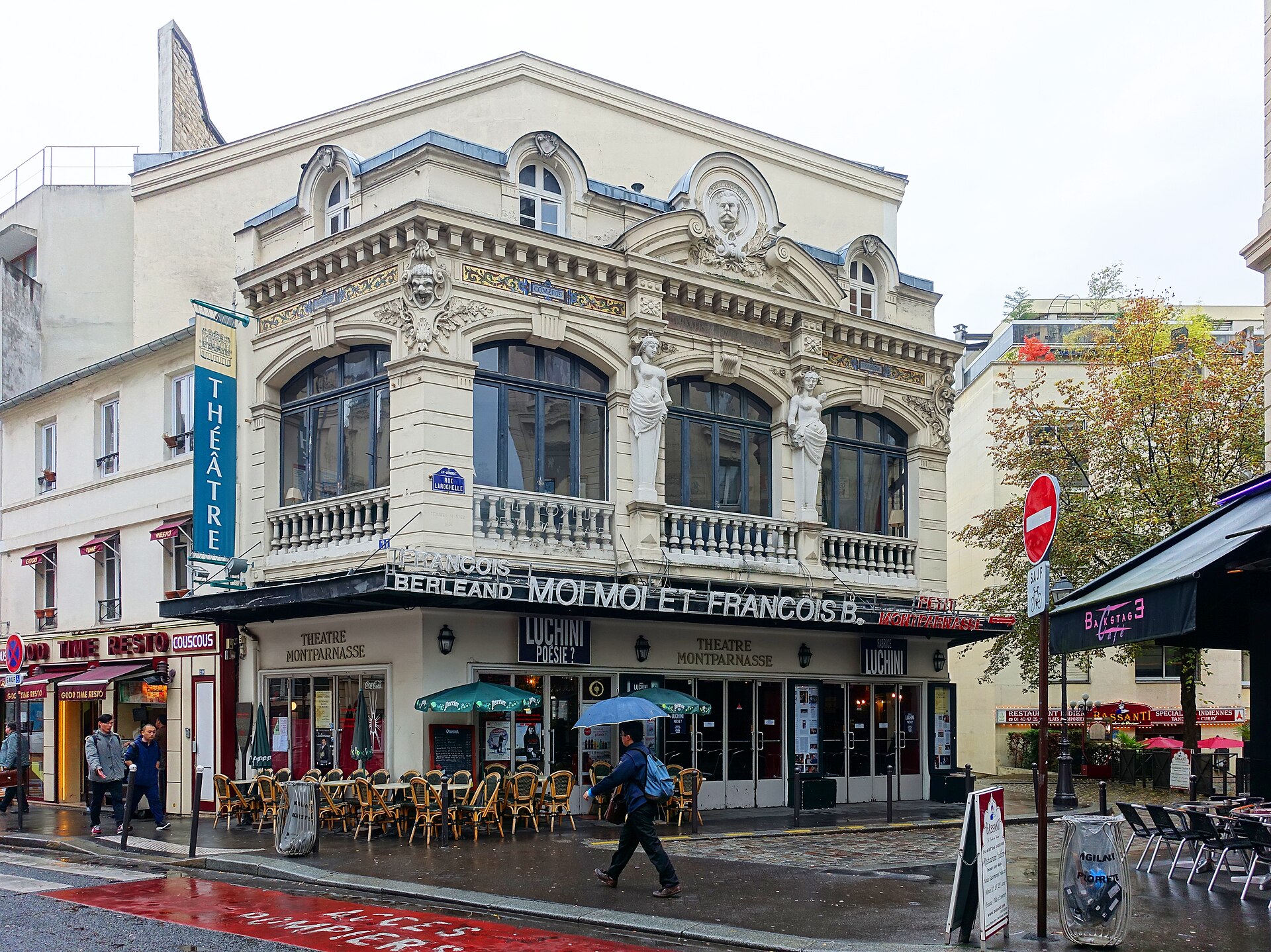
Places like Montparnasse remind us that history is rarely confined to the stories we know best. Sometimes the most meaningful lessons emerge when we look beyond familiar narratives and uncover the people history nearly forgot. Photo by Guilhem Vellut (CC BY 2.0).
Long before the literary crowd arrived, this building was the American Girls’ Club. During the war, an American doctor named Caroline Finley used this courtyard as a base for a group of women doctors and nurses. At a time when the military structure made it incredibly difficult for female physicians to serve abroad, these women funded their own medical units and traveled to France to run hospitals and clinics for wounded soldiers and displaced families.
As the United States marks its 250th anniversary, many of us are reflecting on the events that shaped the nation at home. Yet some of the most revealing chapters of the American story unfolded far beyond our borders.
Standing outside this building reminds us that America’s history was shaped not only by presidents, generals, and lawmakers, but also by individuals whose work abroad helped rebuild a fractured world.
History was never inevitable. The people who lived through these moments were making decisions without knowing how the story would end.
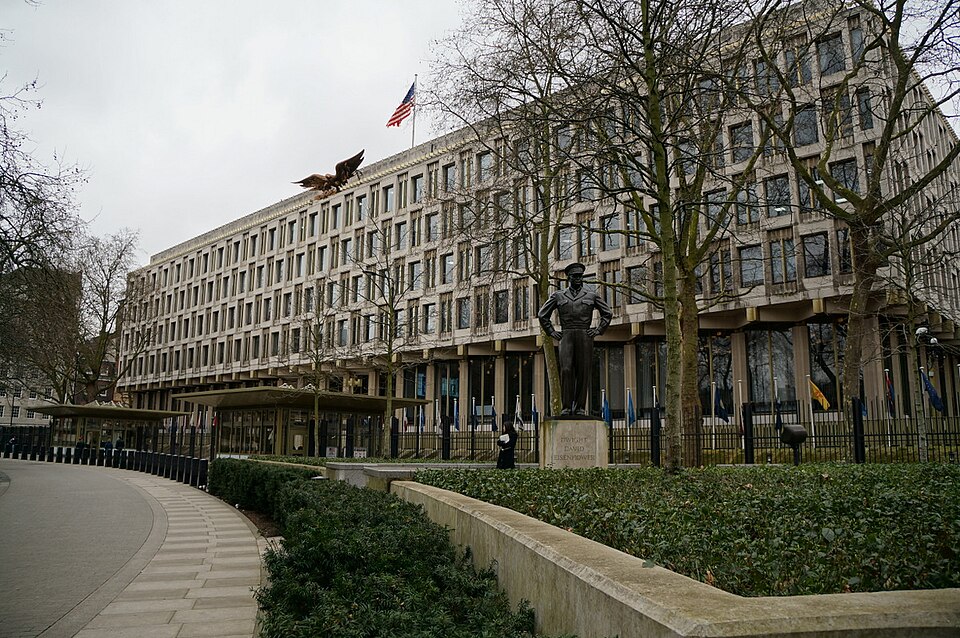
Places like Grosvenor Square remind us that history is often remembered through its most visible leaders. Yet the twentieth century was shaped just as much by diplomats, administrators, and ordinary individuals whose quiet work helped rebuild a fractured world after war. Photo by Ian S (CC BY-SA 2.0).
A similar thing happens when you visit Grosvenor Square in London. Most travelers go there to see the large statues of wartime leaders like Dwight D. Eisenhower, looking at the grand buildings and thinking about the massive military campaigns of the Second World War.
But if you turn away from the monuments and look at the smaller brick buildings on the eastern side of the square, you are looking at the offices where the daily, practical work of the war actually happened.
In one of those townhouses, a diplomat named Mary Craig McGeachy worked on a completely different kind of wartime problem. In 1944, she became the Director of Welfare for the newly established United Nations Relief and Rehabilitation Administration. Operating from the diplomatic hubs around the square, her work focused on coordinating relief logistics, helping ensure that food, medicine, and supplies reached communities devastated by war.
Visiting this corner of the square changes how you think about American history. It pulls your attention away from the famous battle maps and shows you the quiet, stressful work of individual administrators who were trying to plan for peace while the conflict was still going on.
It reminds us that understanding our own history often means examining the places where Americans were forced to confront the consequences of war, responsibility, and international cooperation.
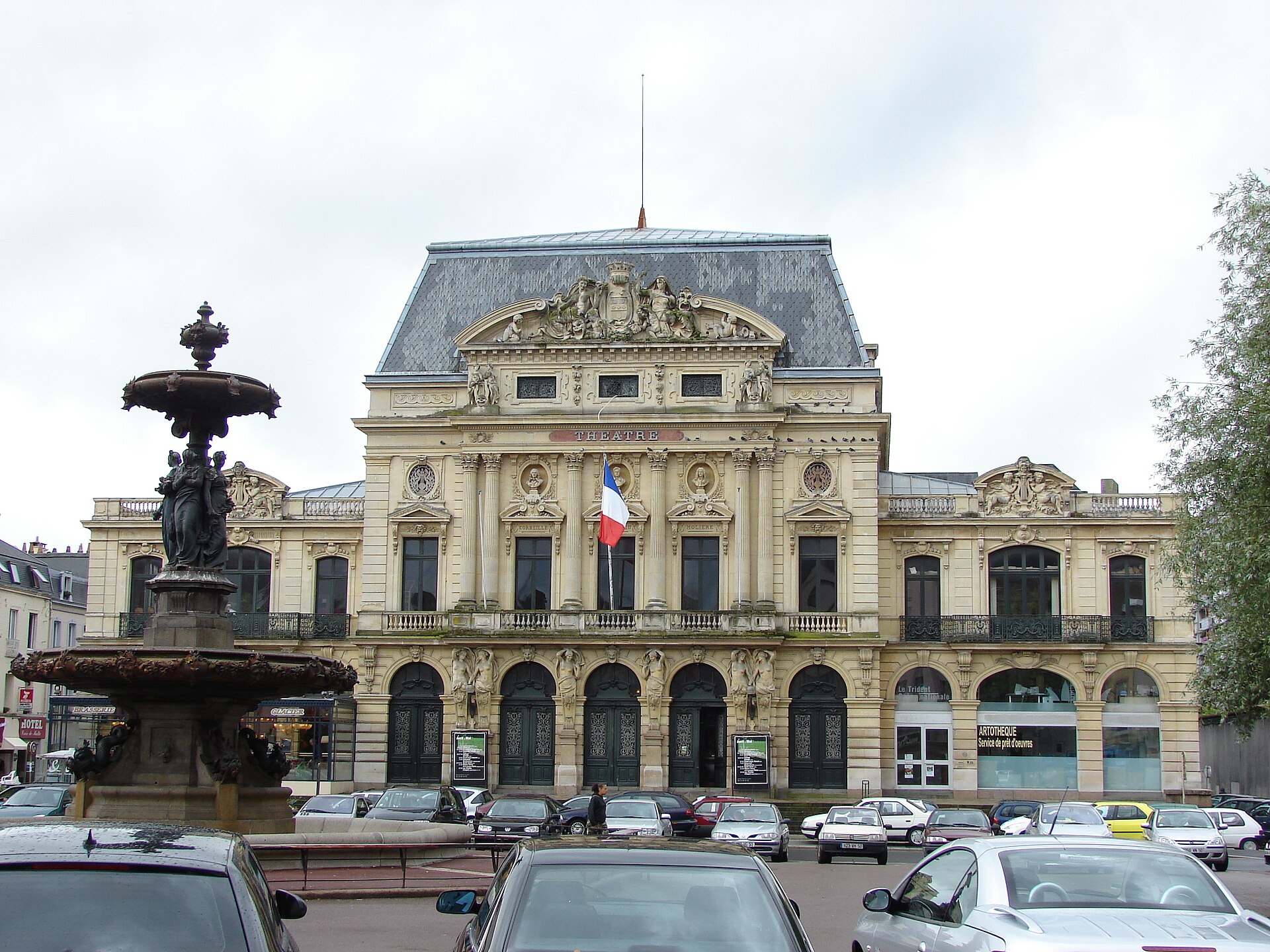
Places like this theater in Cherbourg remind us that some of history’s most important stories unfolded far from the battlefields we remember most. Standing in places like these allows travelers to better understand the overlooked individuals whose quiet work helped shape the outcome of the twentieth century. Photo by M. Striķis (CC BY-SA 3.0).
Further south, in the port city of Cherbourg in Normandy, most visitors focus entirely on the beaches and the military harbors. They come to see where the Allied troops landed and how supplies were brought into Europe after D-Day.
Yet, if you walk into the center of the town to the old municipal theater, you are standing where one of the most unusual units of the war was based.
In the autumn of 1944, this theater became the headquarters for the 6888th Central Postal Directory Battalion. This was the only all-Black, all-female American army unit sent overseas during the war. When they arrived, they were faced with warehouses filled to the ceiling with millions of pieces of undelivered mail addressed to soldiers across Europe. The women worked in three continuous shifts, twenty-four hours a day, in cold, unheated buildings to clear the massive bottleneck and get the letters moving again.
This story is rarely mentioned on standard battlefield tours, but places like this remind us that military history is shaped by far more than combat alone. This theater reveals that the American effort in Europe relied heavily on ordinary people working behind the scenes, including African American women who had to fight for the right to serve abroad in a segregated army.
These places remind us that history is rarely confined by borders.
Some of the most revealing chapters of the American story unfolded far from home, in streets, offices, theaters, and neighborhoods where ordinary people quietly helped shape the twentieth century.
For educators and curious travelers alike, journeys like these offer something textbooks rarely can - the opportunity to encounter history not as distant events, but as lived experiences shaped by real people facing uncertainty, responsibility, and change.
Bringing These Stories Into Your Classroom and Beyond
At Storied Sojourns Travel, we believe travel becomes most meaningful when it connects people directly to the places where history unfolded. From battlefields and memorials to cafés, museums, artistic districts, and hidden corners of Europe, these locations help students and travelers experience history as something lived rather than simply remembered.
This itinerary could include:
the streets of Paris where Americans helped rebuild Europe after the First World War
historic London districts where wartime diplomacy shaped the modern world
overlooked sites in Normandy connected to the hidden logistics of Allied victory
destinations where history reveals stories most travelers never discover
If you are interested in building a historically focused journey through Europe, Storied Sojourns can help design an experience tailored to your students, curriculum, or interests.