Exploring Hidden LGBTQ+ Stories Across Europe
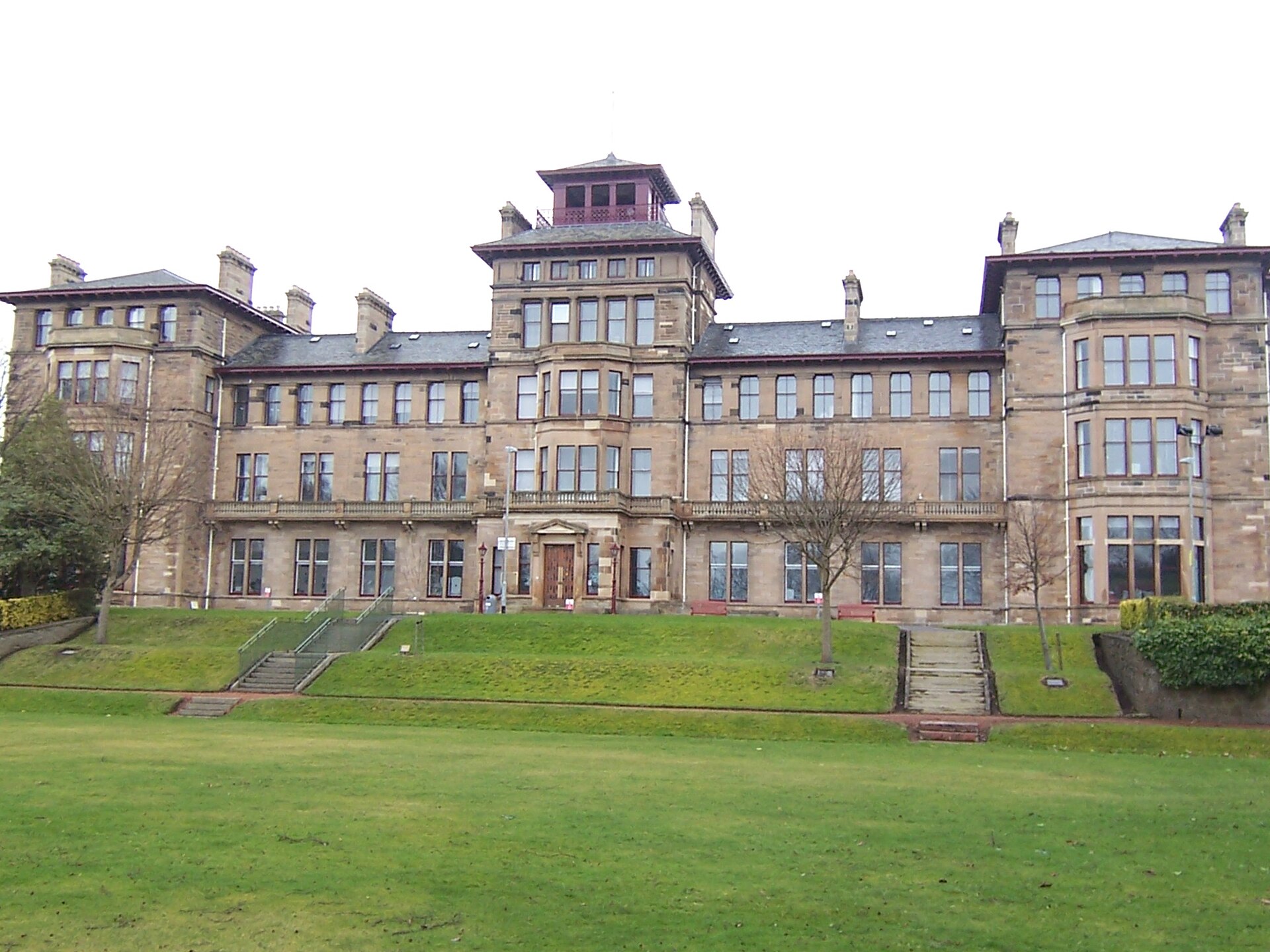
Header: Craiglockhart War Hospital in Edinburgh played a major role in the lives of World War I poets Wilfred Owen and Siegfried Sassoon, whose experiences there helped shape some of the most influential literature of the war. Photo by Brideshead (public domain).
Across Europe, travelers can walk the battlefields of northern France, explore Berlin’s memorials and museums, wander the cafés and artistic districts of Paris, and visit historic sites connected to some of the twentieth century’s most fascinating stories.
Many of the people connected to these places shaped Europe during an era of war, revolution, cultural transformation, and political upheaval. Yet their stories were often hidden, misunderstood, or deliberately erased for decades.
Some were soldiers. Others were artists, doctors, writers, and activists. Many navigated questions of identity in societies that frequently demanded silence.
Today, the landscapes they inhabited still remain. From battlefields and hospitals to museums, memorials, and city streets, travelers can encounter the places where these individuals lived, worked, created, and struggled.
For educators and students, these locations offer more than historical facts. They create opportunities to explore memory, identity, war, censorship, trauma, and cultural transformation through the places where history unfolded.
Wilfred Owen - The Poet Who Never Saw Peace
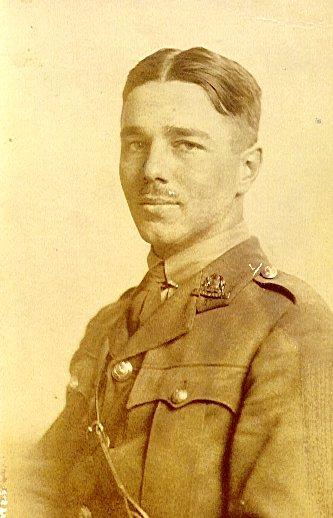
Wilfred Owen became one of the defining literary voices of World War I through poems that exposed the brutality and emotional cost of trench warfare. Today, travelers can visit sites connected to Owen’s final days in Ors, France, including his memorial house and grave. Photo by Allex Langié (CC BY-SA 3.0)
Few writers shaped modern understanding of World War I more powerfully than Wilfred Owen. His poetry rejected romantic visions of war and instead exposed exhaustion, suffering, and psychological trauma on the Western Front.
Owen’s personal correspondence and emotional relationships with men have also made him an important figure in queer literary history. While modern labels cannot fully capture identity in the early twentieth century, historians widely recognize Owen as part of a broader network of queer intellectual and artistic culture in wartime Britain.
Today, travelers can visit the Maison Forestière de l'Ermitage in France, where Owen wrote his final letter shortly before being killed in 1918. Students walking the Somme battlefields gain a far deeper understanding of the war when they encounter the physical spaces connected to Owen’s life and poetry.
For educators, Owen’s story opens discussions about masculinity, memory, trauma, and the emotional cost of industrial warfare.
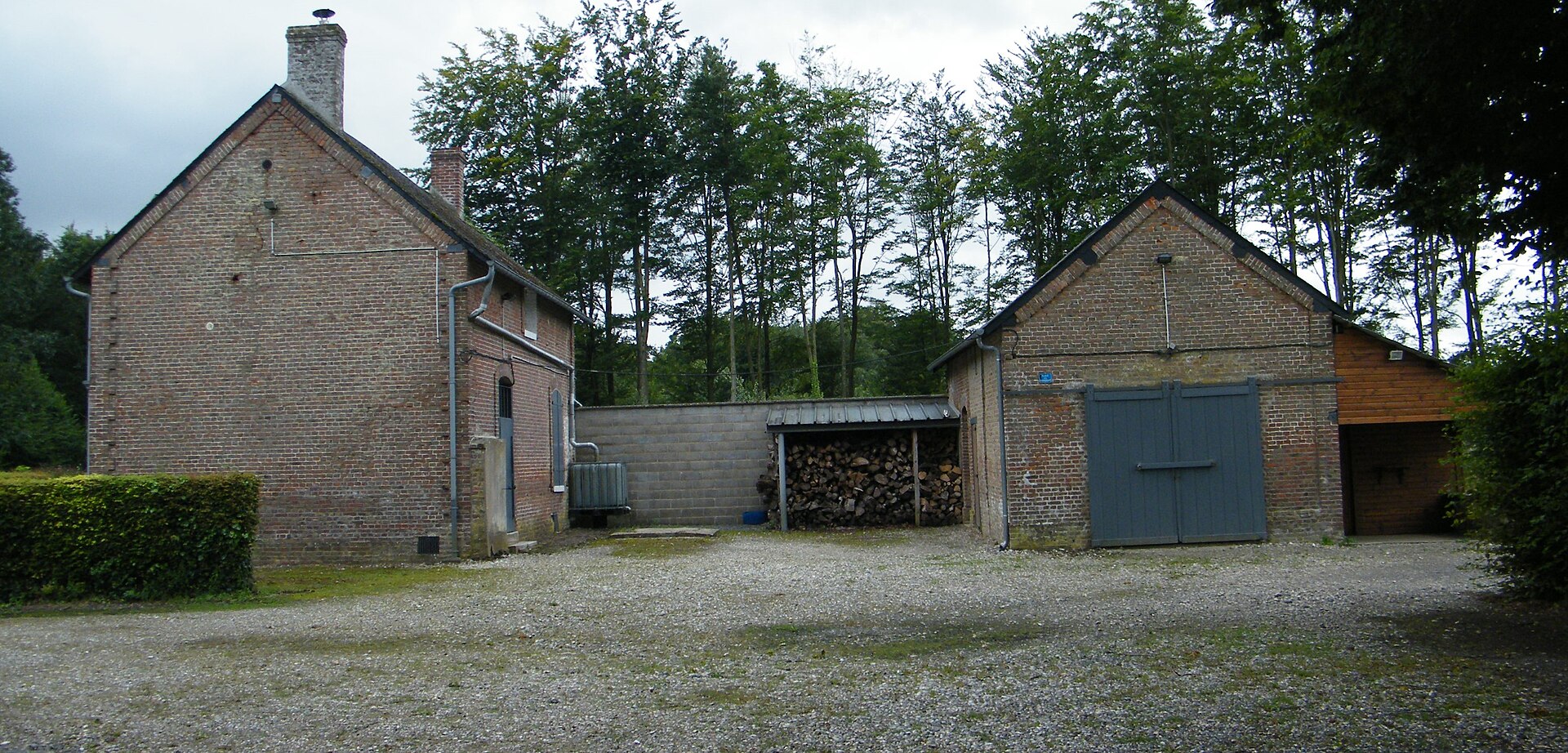
The Maison Forestière d'Ors in northern France is closely connected to Wilfred Owen, who wrote his final letter there before being killed during the crossing of the Sambre-Oise Canal in November 1918. Today, the site serves as a place of reflection on the human cost of World War I and the literary legacy Owen left behind. Photo by APictche (CC BY-SA 4.0 International)
Siegfried Sassoon - The Soldier Who Spoke Out
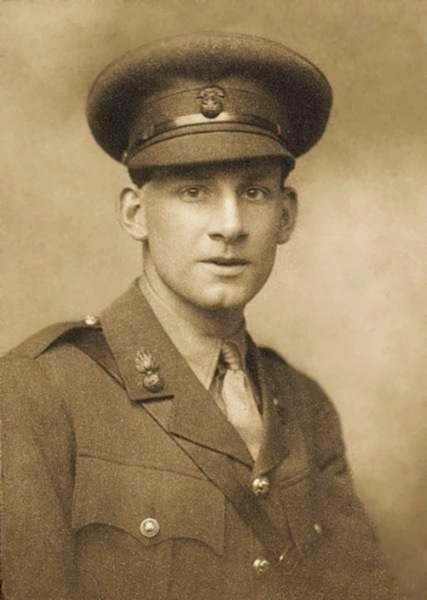
Siegfried Sassoon served with the Royal Welch Fusiliers during World War I and later became one of the conflict’s most influential literary voices. Today, travelers can explore places connected to Sassoon’s wartime experience, including Craiglockhart War Hospital in Edinburgh and battlefields across France. Photo by George Charles Beresford, May 1915 (public domain)
Siegfried Sassoon was everything a soldier was expected to be: brave, decorated, and effective. He earned the Military Cross for his actions on the Western Front and recommended for a Victoria Cross before becoming one of the war’s most famous public critics.
In 1917, Sassoon publicly condemned the continuation of the war in a statement later read and debated in Parliament. Rather than court-martial him, the army sent him to Craiglockhart War Hospital, where he met fellow poet Wilfred Owen.
After the war, Sassoon had relationships with several men and later became an important figure in twentieth-century queer literary history. His life reflected the tensions many LGBTQ+ individuals faced in early twentieth-century Britain between public expectation and private identity.
Students visiting the Western Front can trace Sassoon’s journey from combat to protest and recovery, while Craiglockhart offers a powerful opportunity to discuss mental health, dissent, and the human consequences of war.
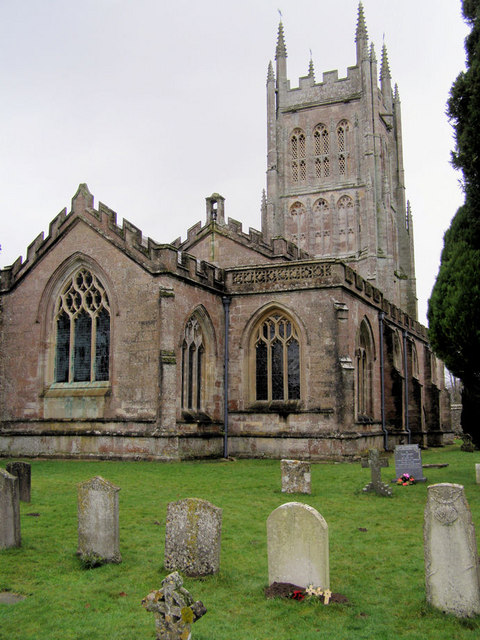
Siegfried Sassoon is buried at St Andrew's Church, a quiet English parish church that remains connected to one of the most influential literary voices of World War I. For travelers interested in literary history and remembrance, the site offers a reflective connection to Sassoon’s life and legacy. Photo by Kevin Gordon via geograph.org.uk (CC BY-SA 2.0)
T. E. Lawrence - Identity and Myth in the Desert
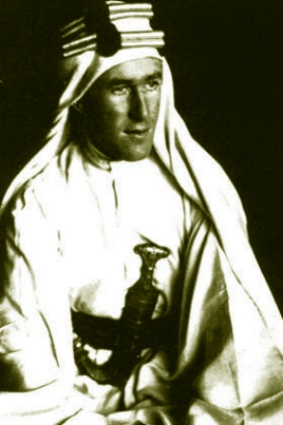
T. E. Lawrence - better known as “Lawrence of Arabia” - became one of the most recognizable figures of World War I through his role in the Arab Revolt against the Ottoman Empire. Today, travelers can explore locations connected to Lawrence’s wartime experiences, from desert railway sites in Jordan to museums and archives in Britain. Photo by Harry Alonzo Chase, published in With Lawrence in Arabia, 1924 (public domain)
Better known as “Lawrence of Arabia,” T. E. Lawrence became one of the most mythologized figures of the twentieth century through his role in the Arab Revolt during World War I.
Lawrence’s personal life remains heavily debated by historians. Some scholars interpret his writings as suggesting asexuality or deeply complicated same-sex emotional relationships, reflecting broader questions surrounding masculinity and identity in wartime Europe.
Lawrence’s legacy continues to blur the line between historical figure and cultural myth.
Today, travelers can still explore landscapes closely tied to Lawrence’s wartime experience, including the deserts of Wadi Rum and sections of the Hejaz Railway, where Arab forces and British advisers repeatedly struck Ottoman infrastructure during the revolt. Meanwhile, in London, collections within the Imperial War Museum allow students and travelers to explore artifacts related to Lawrence's life, including photographs, documents, and personal items.
For educators, Lawrence’s story opens conversations about empire, mythmaking, nationalism, and the ways historical memory transforms individuals into legends.
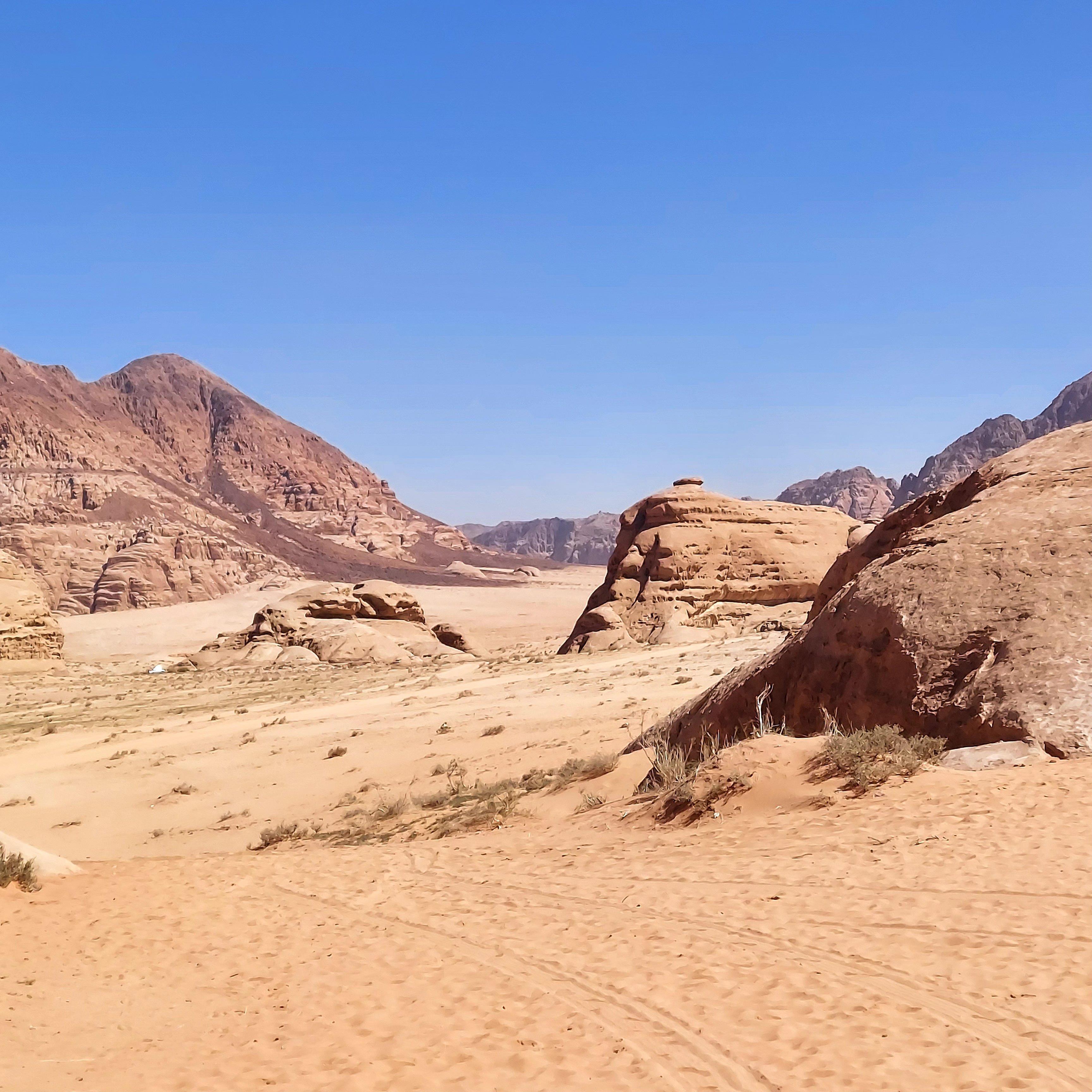
The desert landscapes of Wadi Rum became closely tied to the Arab Revolt and the wartime campaigns that helped transform T. E. Lawrence into the legendary “Lawrence of Arabia.” Travelers can still explore the vast terrain and railway routes that shaped one of the most mythologized stories of World War I. Photo by Scott Rick
Magnus Hirschfeld - Science, Identity, and Weimar Germany
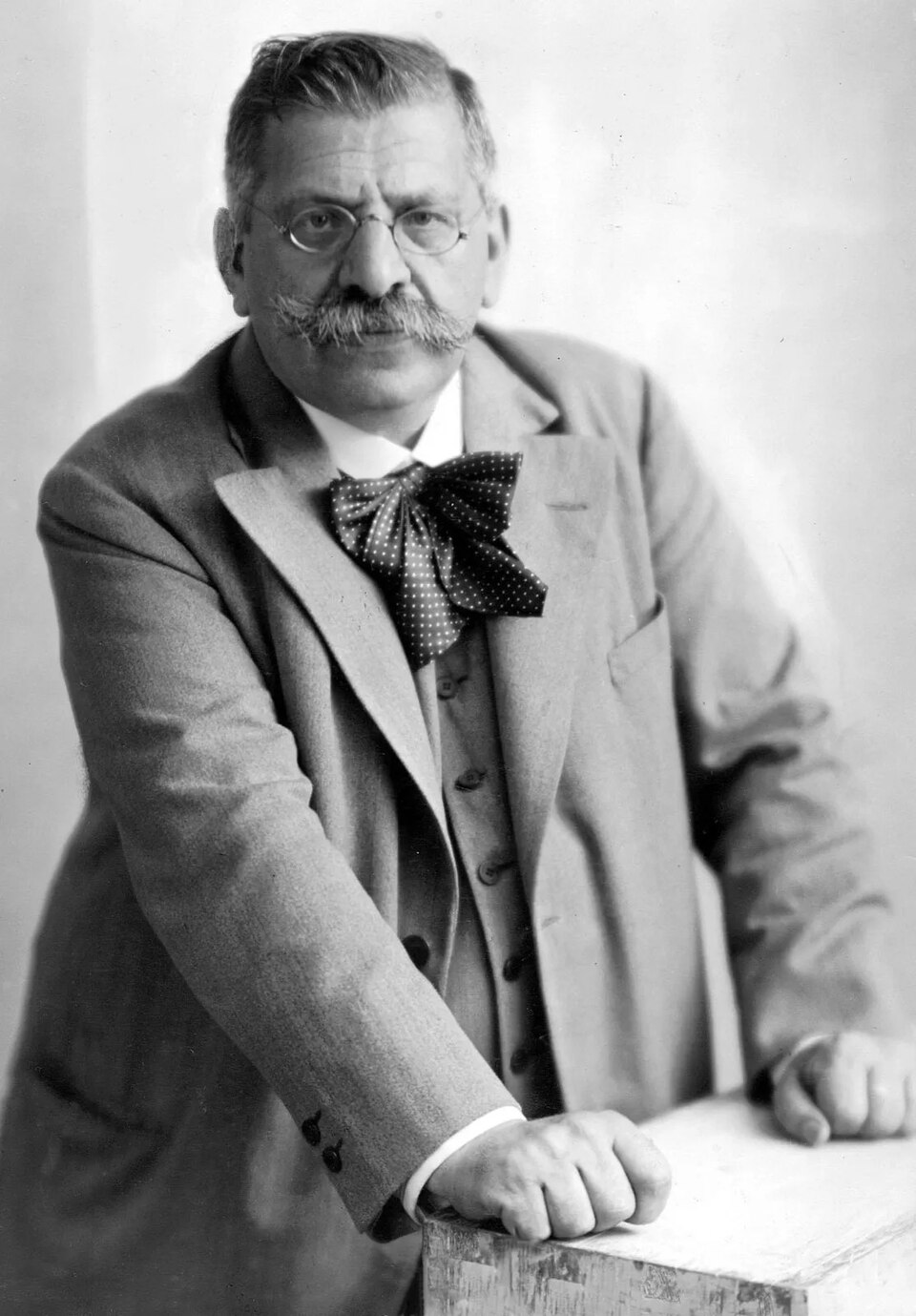
Magnus Hirschfeld was one of the most influential early advocates for LGBTQ+ rights in Europe. Working in Berlin during the turbulent years surrounding and following World War I, Hirschfeld founded the Institute for Sexual Science and helped transform public discussions about identity, sexuality, and modern European society. Image source: Encyclopædia Britannica/Wikimedia Commons. Photographer unknown (public domain)
Not all transformations caused by World War I occurred on battlefields. Some emerged through changing ideas about identity, sexuality, and modern society itself.
Magnus Hirschfeld became one of Europe’s earliest and most important LGBTQ+ activists and researchers. In Berlin, he founded the Institut für Sexualwissenschaft (Institute for Sexual Science), which studied sexuality and gender identity during the unstable years of Weimar-era Germany.
Hirschfeld argued that sexuality existed along broad human spectrums, ideas considered radical in the early twentieth century. In 1933, Nazi students and stormtroopers destroyed his institute during one of the most infamous book burnings of the century.
For students, Hirschfeld’s story demonstrates how quickly social progress can become vulnerable during periods of extremism and political instability. Travelers exploring Berlin can visit the former location of the Institute for Sexual Science, see the Magnus Hirschfeld Memorial, and connect these sites to the broader story of Weimar culture, censorship, and the rise of Nazism.
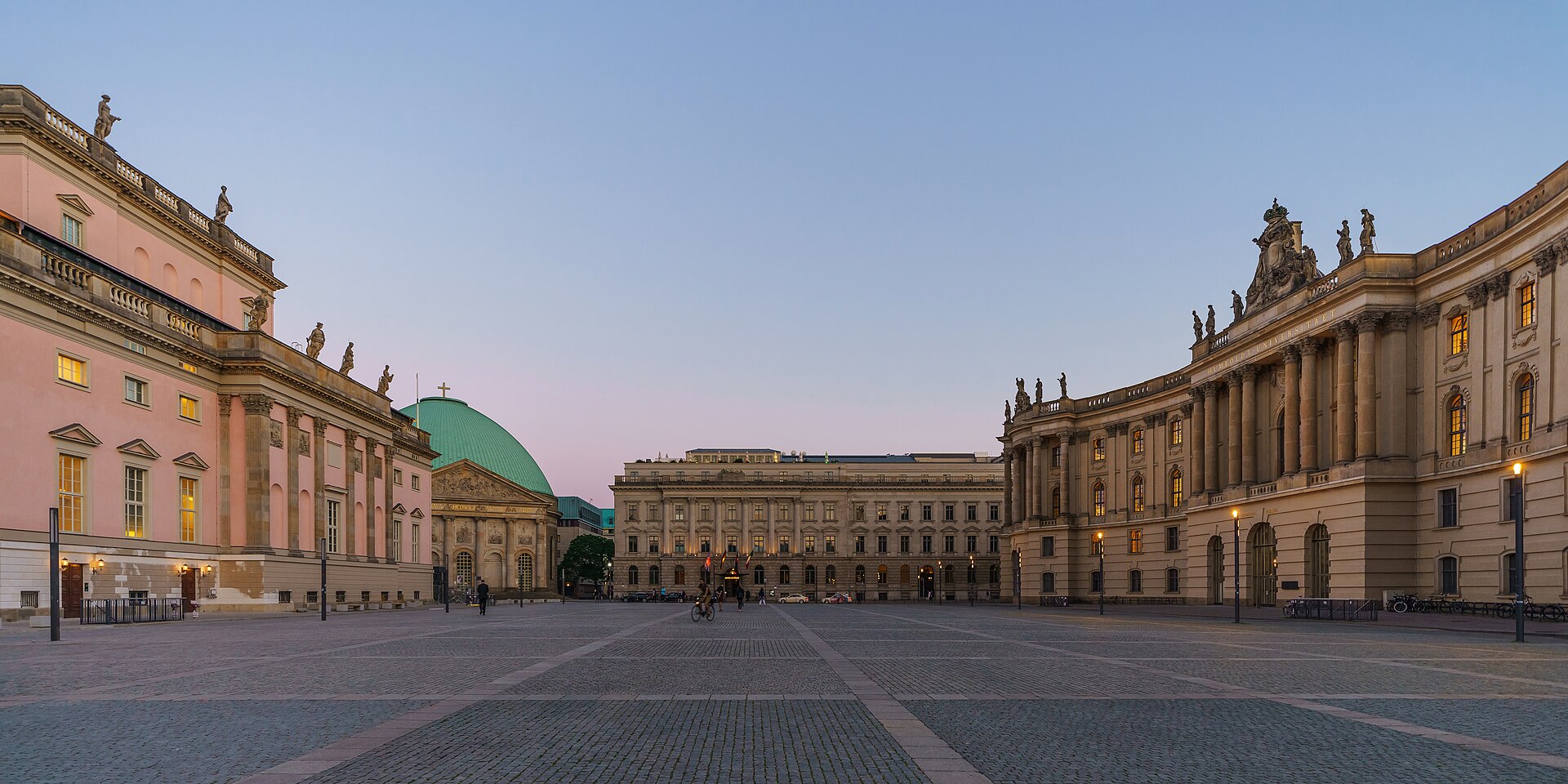
Bebelplatz remains one of the most powerful sites connected to the destruction of intellectual and cultural life in Nazi Germany. In 1933, works from Magnus Hirschfeld’s Institute for Sexual Science were among the thousands of books burned here during the Nazi campaign against “un-German” ideas. Photo by A.Savin, Wikipedia, used under the Free Art License
Jean Cocteau - Art, War, and the Modern Age
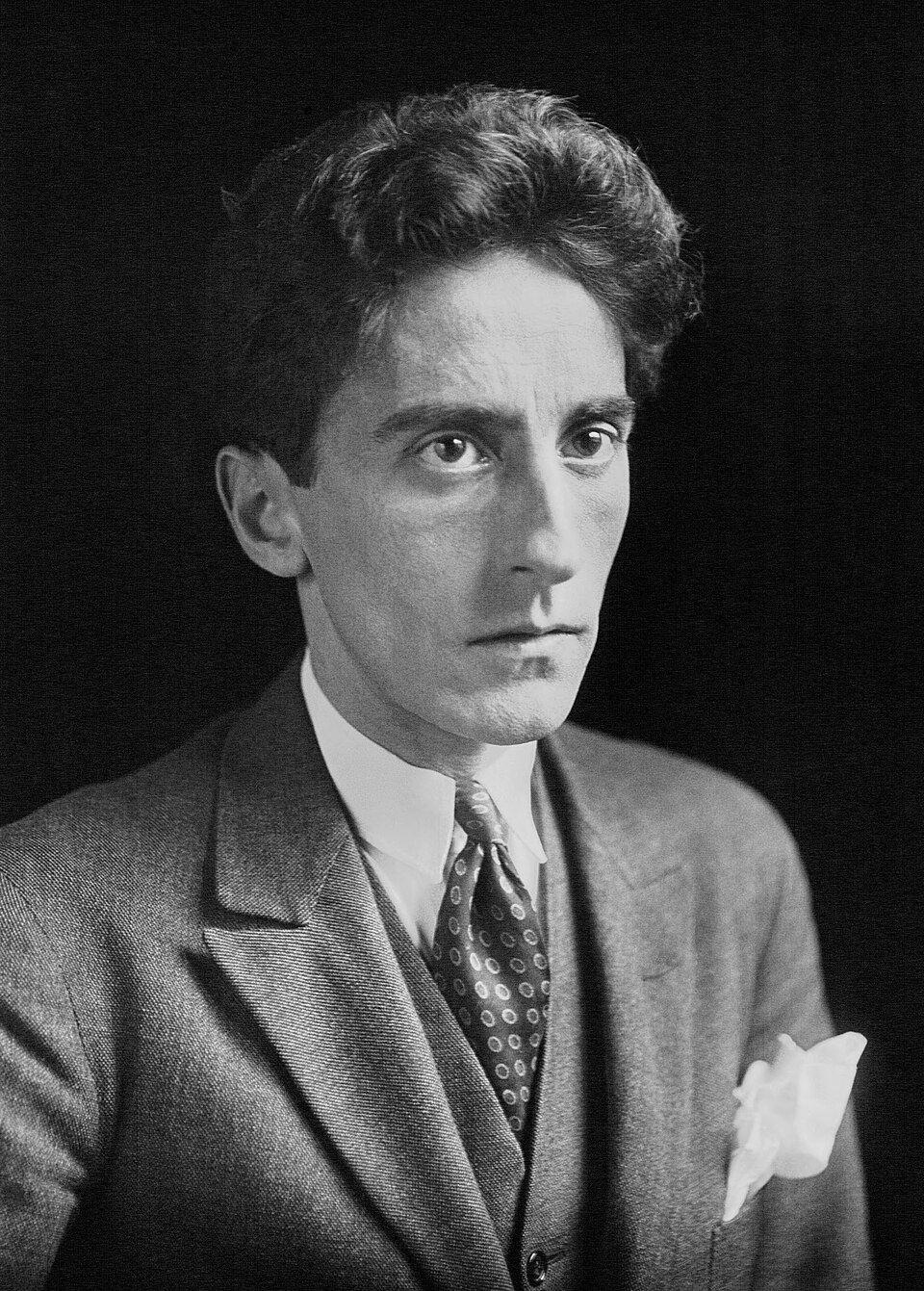
Jean Cocteau became one of the defining cultural voices of twentieth-century France through his work in poetry, theater, visual art, and film. Travelers interested in the artistic legacy of wartime Europe can still explore the cafés, theaters, and creative districts of Paris that shaped Cocteau’s world after World War I. Photo by Agence de presse Meurisse via Gallica Digital Library (public domain)
Poet, playwright, filmmaker, and artist, Jean Cocteau became one of the defining cultural voices of twentieth-century France. His work reflected the artistic experimentation and emotional uncertainty that emerged across Europe after World War I.
Cocteau’s relationships with men and his role within Parisian artistic circles have made him an important figure in queer cultural history. His life and work intersected with many of the major cultural movements of interwar Europe.
Travelers interested in Cocteau’s world can still explore the Left Bank of Paris, Montparnasse, and the Musée Jean Cocteau Collection Séverin Wunderman on the French Riviera.
For educators and students, Cocteau’s story helps demonstrate how art often becomes a response to trauma, instability, and rapid social change.
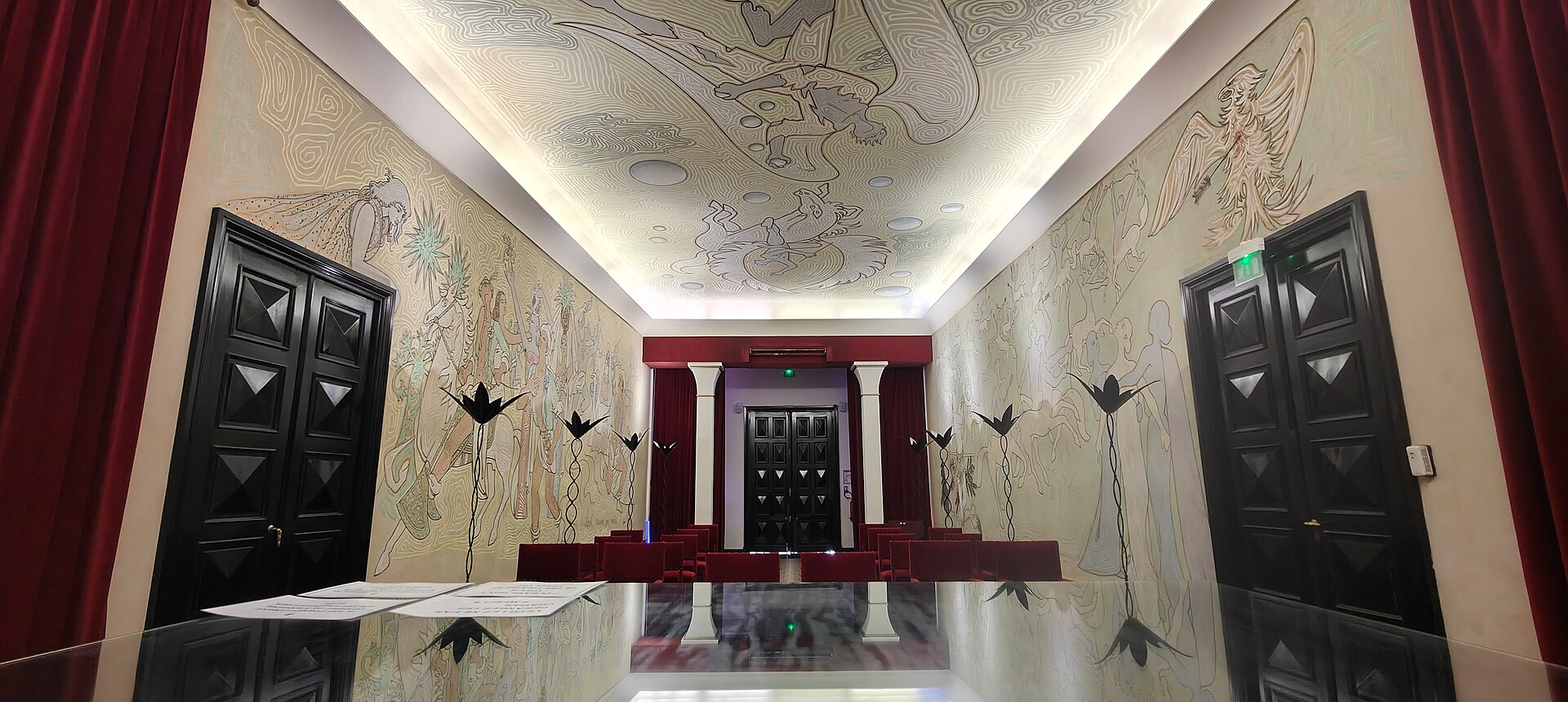
Decorated by Jean Cocteau in 1957–1958, this wedding hall in Menton reflects the surrealist imagery and artistic experimentation that made Cocteau one of the defining cultural figures of twentieth-century France. Travelers exploring the French Riviera can still experience spaces shaped directly by Cocteau’s artistic vision. Photo by Al*from*Lig (CC BY-SA 4.0)
Why These Stories Matter for Student Travel
History is not only shaped by governments, generals, and borders. It is also shaped by individuals navigating identity, creativity, war, and memory in complicated times.
By visiting the places connected to these lives, students and travelers encounter Europe not simply as a collection of historical events, but as a human landscape shaped by real people whose experiences still echo today.
This is where real learning happens. By standing in these places, students encounter questions of war, identity, creativity, and memory in ways that textbooks alone rarely can.
Bringing These Stories Into Your Classroom and Beyond
At Storied Sojourns Travel, we believe travel becomes most meaningful when it connects people directly to the places where history unfolded. From battlefields and memorials to cafés, museums, artistic districts, and hidden corners of Europe, these locations help students and travelers experience history as something lived rather than simply remembered.
This itinerary could include:
The Somme and Ypres
Weimar Berlin
Literary Paris
Artistic districts of Vienna
Memorial sites tied to resistance, censorship, and cultural transformation
If you are interested in building a historically focused journey through Europe, Storied Sojourns can help design an experience tailored to your students, curriculum, or interests.