2026 Travel to Europe: What Educators Need to Understand Before They Go
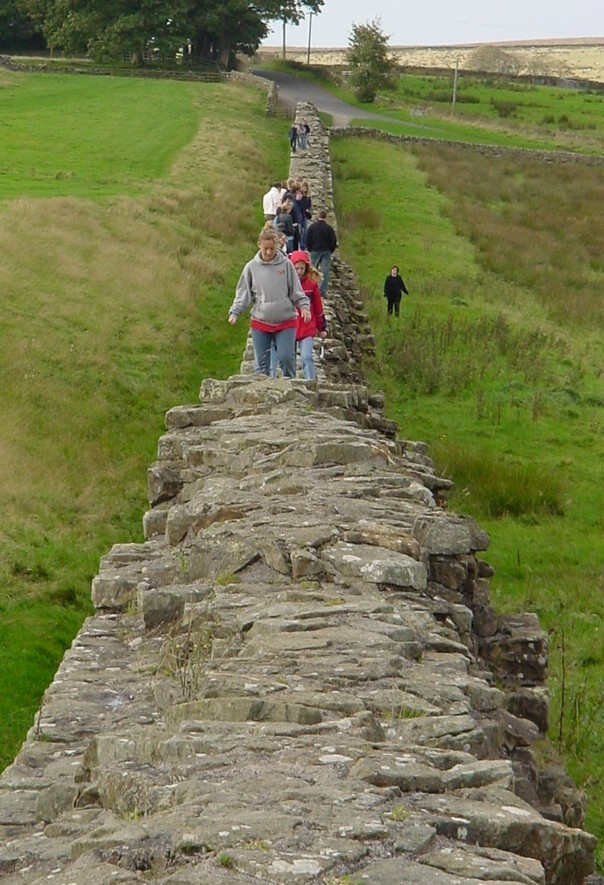
Header: Walking along Hadrian’s Wall is not just seeing a site - it is understanding how frontiers shaped empires in a way no textbook can fully convey. Photo by Scott Rick.
For educators, travel has never been just about movement. It is about standing in places where decisions were made, where systems failed, where people responded under pressure, and bringing that understanding back into the classroom.
This year, even the journey itself reflects that reality.
The systems that carry travelers across the Atlantic are under strain. Flights are tighter. Costs are rising. Flexibility is shrinking.
None of this makes travel impossible, but it does change something important: this is a year where preparation is not optional. It is foundational.
The System Under Strain
Travel systems rarely fail all at once. They tighten gradually, often invisibly, until friction becomes unavoidable.
What we are seeing now is not a single disruption, but a convergence of pressures:
Reduced staffing and operational strain at major U.S. airports
Airlines cutting routes and frequencies
Rising fuel costs affecting long-haul travel
Increasing congestion during peak travel periods
Individually, each of these is manageable. Together, they reshape the experience of travel - not dramatically, but in ways that are difficult to ignore.
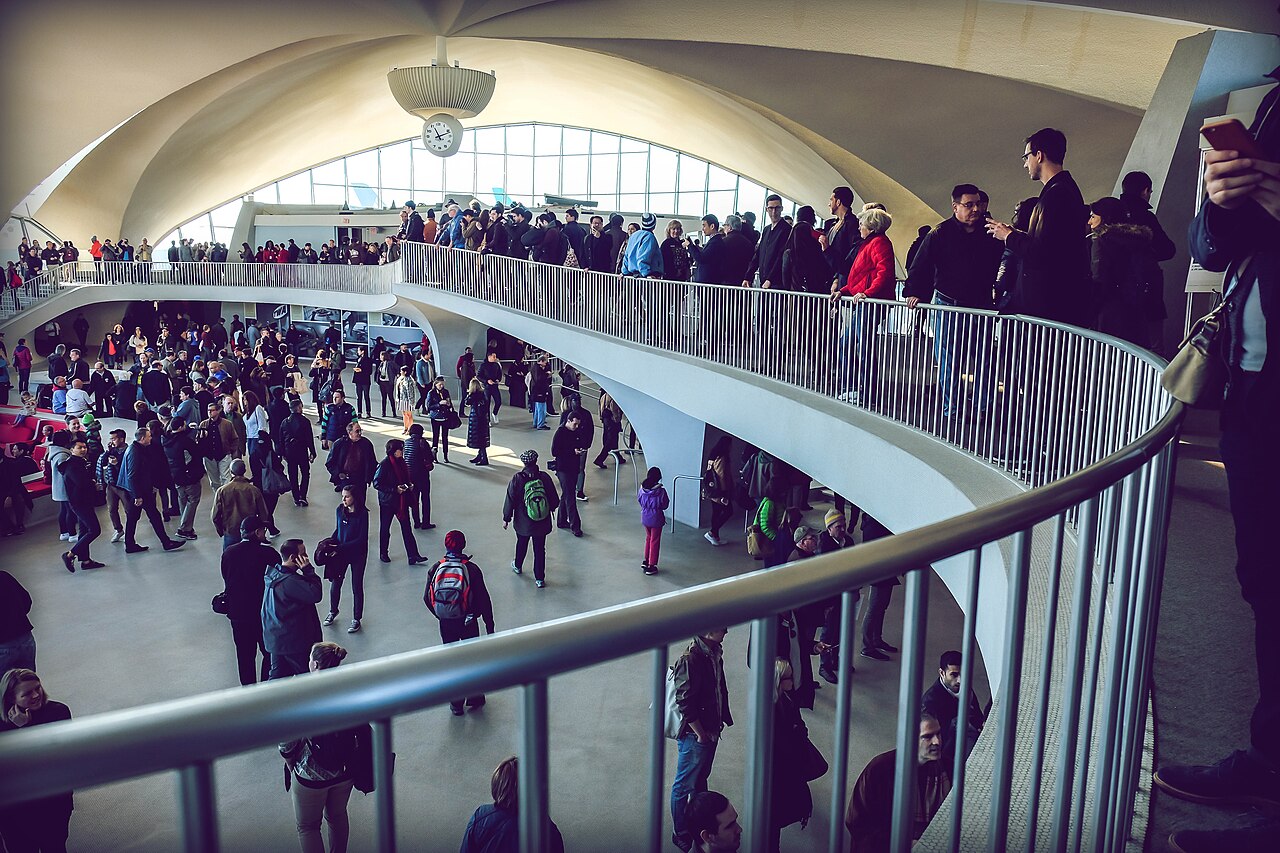
Crowding inside the TWA Flight Center shows how movement slows and bottlenecks form as systems operate under pressure. Photo by Rich Lemmonie (CC BY-SA 4.0).
Flying from the U.S. to Europe: What Has Changed
Fewer Flights Means Less Margin for Error
Airlines are reducing capacity at the same time demand remains high. The result is not just fewer flights, but a system with less room to absorb disruption.
In practical terms, this means:
Fewer departure options when planning your route
Limited flexibility if you need to rebook
Greater consequences when something goes wrong
In previous years, a delay was often recoverable. This year, it may not be.
The Cost of Crossing the Atlantic Is Rising
Fuel costs and reduced availability are pushing international fares upward. For educators planning with intention, this matters - not simply because of cost, but because it narrows the margins between a trip that happens and one that never moves beyond planning.
Time at the Airport Is No Longer Predictable
Security delays and operational bottlenecks are becoming more common at major hubs. The result is not just longer waits, but less predictability in how long each step takes. What was once routine now requires deliberate adjustment. Arriving early is no longer caution - it is strategy.
Flexibility Is the Real Constraint
This is the most significant shift: when flights are full and schedules are reduced, the system loses its ability to adapt. There are fewer alternatives when plans change, recovery takes longer, and small disruptions carry larger consequences.
The system still works, but now it has less room to absorb error.
Why This Matters for Educators
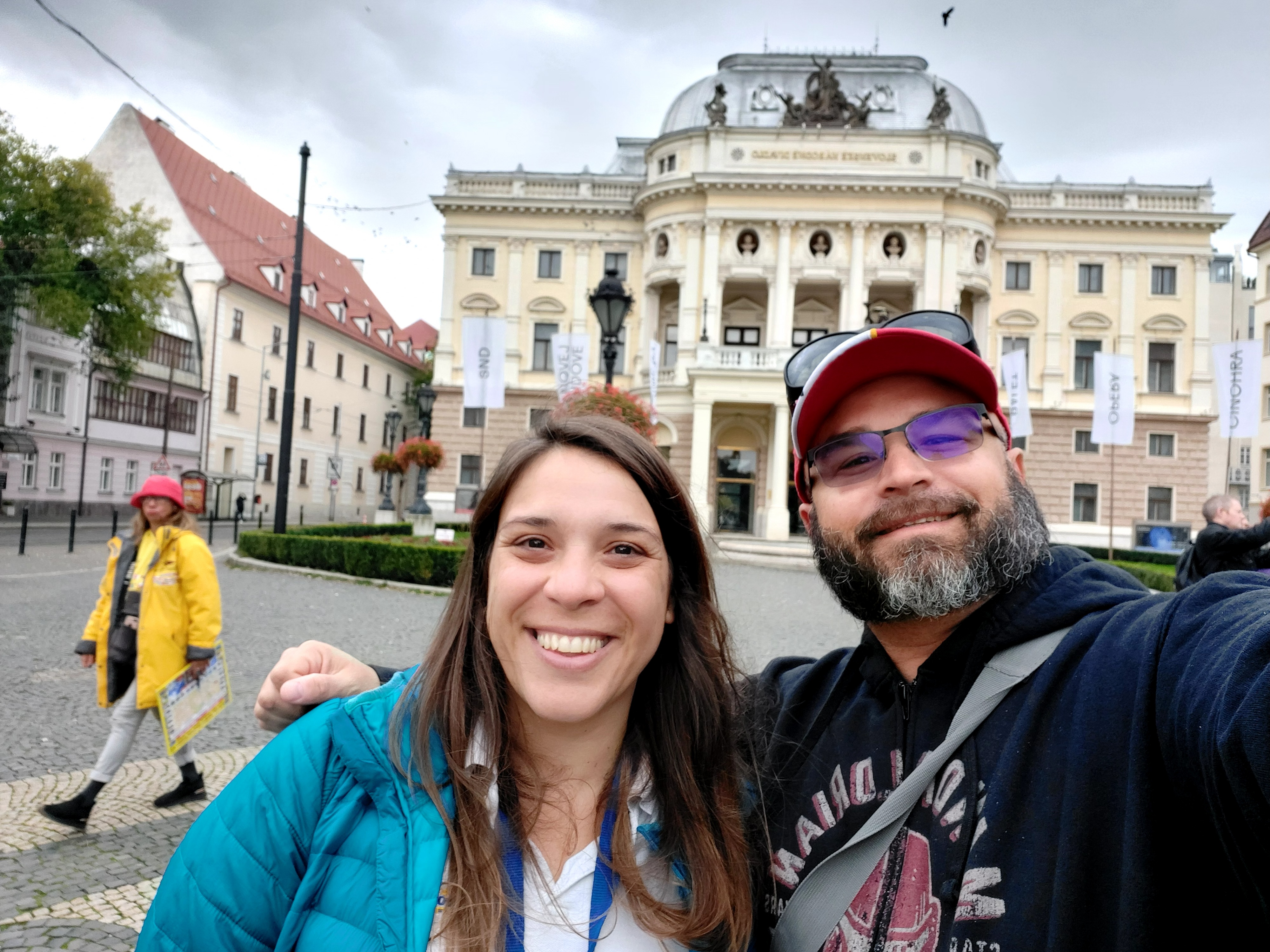
Learning on-site in Bratislava with a local guide transforms a place from something you see into something you can understand - context students cannot access through a textbook alone. Photo by Scott Rick.
If you travel with purpose, the stakes are different. You are not only visiting a place, you are gathering:
Context your students cannot access directly
Stories that transform abstract content into lived experience
Perspective that shapes how you teach
A missed connection is not just an inconvenience. It can mean losing the moment that anchors an entire unit.
For your students, it may be the difference between a lesson that resonates and one that remains abstract.
Planning with Intent: What This Year Requires
Book Earlier - Not Just for Price, But for Control
Early booking is no longer about saving money. It is about securing viable routes and maintaining control in a system with fewer second chances.
Build Time Into Your Journey
Efficiency is not the goal this year. Resilience is. That means:
Plan longer airport arrival windows
Avoid tight connections whenever possible
Build additional time into your arrival day
This time is not lost. It protects your trip.
Choose Stability Over Convenience
Not all itineraries carry equal risk. In a system with limited flexibility, the structure of your route matters more than usual. When possible, prioritize:
Prioritize direct flights
Choose routes with multiple fallback options
Avoid the last departures of the day
Stability reduces the impact when something goes wrong. This year, recovery is not guaranteed.
Protect the Trip Itself
Travel insurance becomes more relevant in constrained systems. This isn't a formality. It is a safeguard against disruption.
Stay Informed Without Overreacting
Awareness matters, but so does perspective. Follow patterns, not headlines. Adjust when necessary, not impulsively. In a system under strain, informed decisions matter more than ever.
The Larger Perspective
Travel has always reflected the world it moves through. Periods of stability make it feel effortless. Periods of strain reveal the systems behind it.
This year does not just challenge travel plans. It reveals the systems behind them. That makes it more aligned with what we teach:
Systems under pressure
Decisions with consequences
The importance of preparation
The Bottom Line
You can still go. You can still stand in the places that shape your teaching. You can still return with something your students cannot get from a textbook.
But this year asks something in return. It asks for more awareness. It asks for more time and more deliberate planning.
Above all, it asks for patience.
Educators, if you were standing along the Somme this summer, or walking through Berlin, or tracing the edges of a former empire - how would that change the way you frame your next lesson? What would your students understand differently? What becomes possible when context replaces abstraction?
If Europe is on your mind this year, personally or professionally, it is still within reach.
It simply requires a different approach than it did before.
If you want to think through what that could look like - for your goals, your timeline, and your classroom - I am happy to help.
You can schedule a complimentary consultation here.